People climb, sit, run and gather around retaining walls at schools and parks. A safe wall needs more attention than the soil behind it.
Design for everyday behaviour
Check drops, climb points, seats, sharp edges, accessible paths and how children may use the wall. A planted barrier can fail if nobody is responsible for keeping it.
Plan the loads
Vehicles, crowds, stored equipment and future play areas may be near the top. Tell the engineer about maintenance trucks and special events.
Make drainage visible
- Outlets clear of paths.
- Access for cleaning.
- No concentrated water in play areas.
- A safe route if a pit blocks.
- A maintenance owner named at handover.
Construct around people
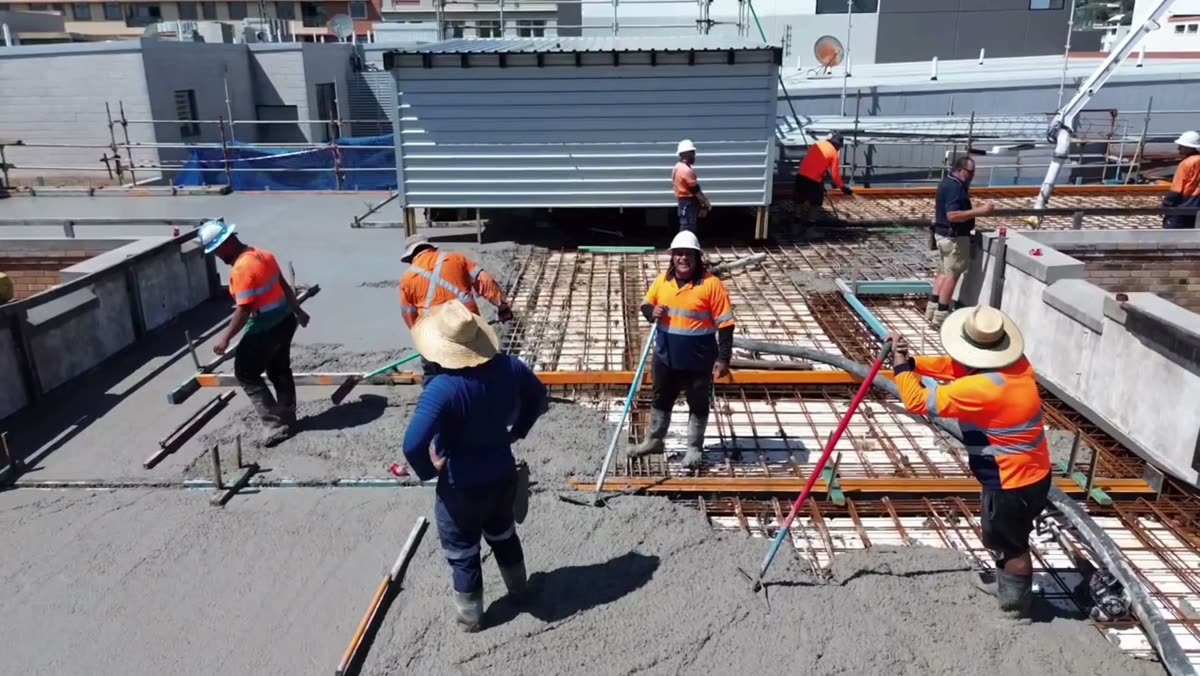
Use separated access, suitable fencing, delivery times and a plan for excursions or public events. Finish a safe path before closing the old one.
Choose by maintenance
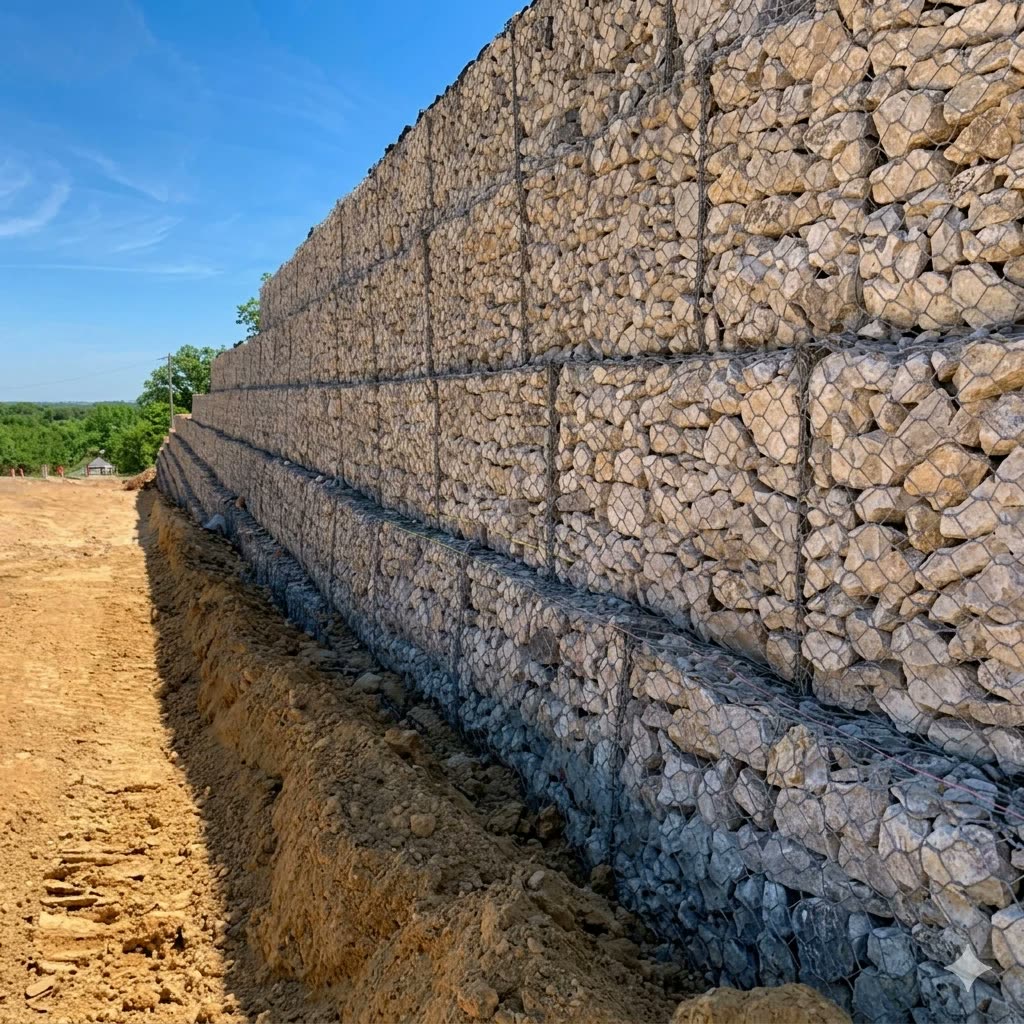
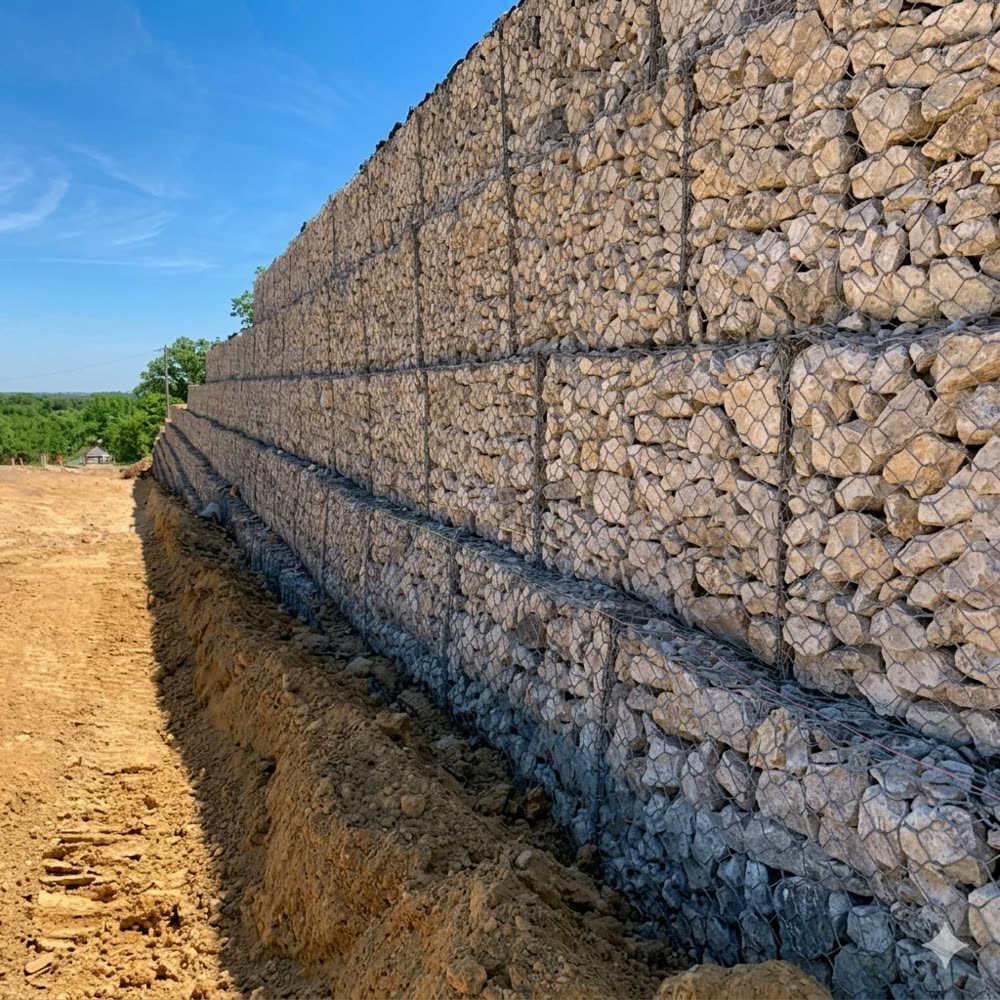
Concrete may be easy to clean but need expansion joints. Gabions can absorb movement but need checked mesh and may collect litter. Timber can suit a short-life garden edge but not every high-traffic site.
Inspect after heavy rain
Record movement, cracks, loose capping, blocked drains and changes above. Photos from the same points make slow movement easier to see.
Useful guides: commercial retaining walls, school remedial works and engineered walls.
Call 0415 840 500 or request a quote. METCON is a licensed NSW builder (384697C).
Frequently asked questions
Does a low public wall need a barrier?
It depends on drop, use, accessibility and site rules. Assess the full situation.
Can the wall be seating?
Yes, if height, edge and public use are designed for it.
Who maintains planting and drainage?
The handover should assign named responsibility and inspection dates.