Metal roofs expand and shrink every day. Long sheets, skylights, plant and gutters all pull at fixings and laps, so leaks tend to come back when repairs ignore movement.
Signs to record
- Rust at sheet ends and under fixings.
- Backed-out or overtightened screws.
- Cracked or brittle skylights.
- Sealant smeared over old sealant.
- Dents that hold water.
- Wet insulation below.
- Different metals in contact.
- Noise as sheets move.
Start with the ceiling leak, then check uphill and sideways. Water can run along purlins before dropping.
Small repairs that can work
Replacing suitable fixings, resealing a correctly prepared lap or renewing a failed flashing can extend a generally sound roof. Products need to suit the metal and expected movement.
When repair becomes patching
Widespread thinning, corrosion from underneath, failed lap lines and unsafe access point to replacement of a section or the whole roof. A coating does not put lost metal back.
Before walking on it
Metal and skylights may not support a person. Plan edge protection, anchors, access and rescue. Never assume a painted sheet is strong because it looks new.
Replacement decisions
Check structure, insulation, condensation, box gutters, solar and plant. Replacing sheets around old gutters can lock the main leak in place.
Work in dry sections
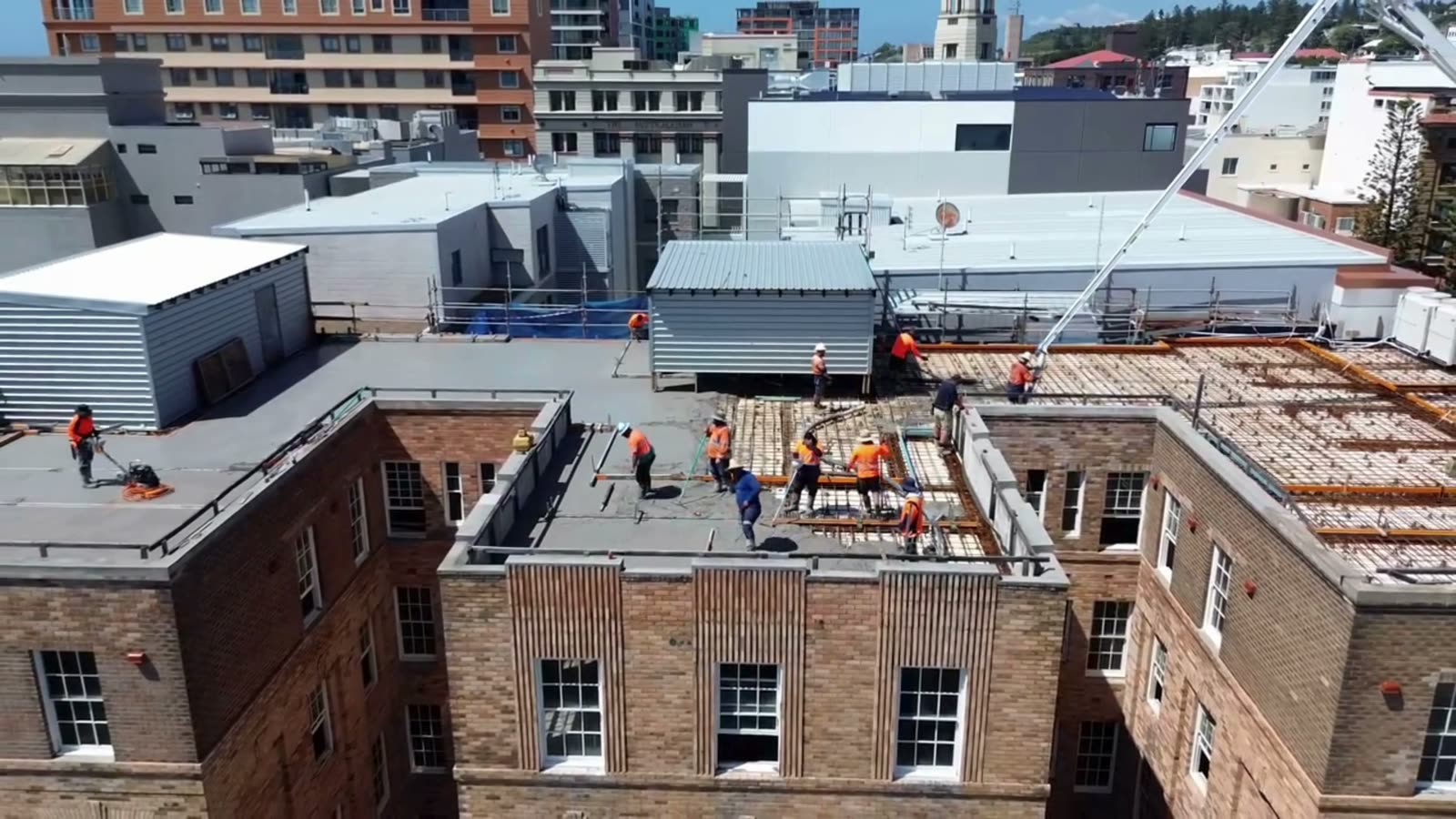
Open only what can be covered, keep drainage working and protect occupied rooms. Record underlay, fixings and laps before covering.
See box gutters, solar and roof waterproofing and commercial remedial.
Call 0415 840 500 or book an inspection. METCON is a licensed NSW builder (384697C) and DBP registered (BUP4254812).
Frequently asked questions
Can a rusty roof be painted?
Minor surface rust may be treated. Perforated or badly thinned sheets usually need more than paint.
Why do screws keep backing out?
Movement, unsuitable length, vibration or weakened supports are possible causes.
Does condensation look like a leak?
Yes. Check weather, insulation and ventilation before replacing a dry roof.