A leak beside a window may begin at a terrace upstairs. A damp basement may come from a pool, planter or stormwater pipe. On a large home, the first task is to map every possible water path.
Build an evidence map
Mark stains, rain events, plumbing use, roof areas, membranes, pools and drains on one plan. Test areas one at a time. Opening several finishes before a testing plan can destroy useful clues.
Group the work
- Roofs, box gutters and parapets.
- Terraces, balconies and door thresholds.
- Bathrooms and laundries.
- Pools, ponds and water features.
- Planters, retaining walls and basements.
Some repairs overlap. A terrace fix may require a door to come out, and a new door sill may affect internal flooring.
Decide what can be reused
Large stone, custom doors and joinery may be possible to remove, but breakage and matching need an allowance. Photograph and label pieces, then agree what happens if they cannot be saved.
Set one waterproofing responsibility
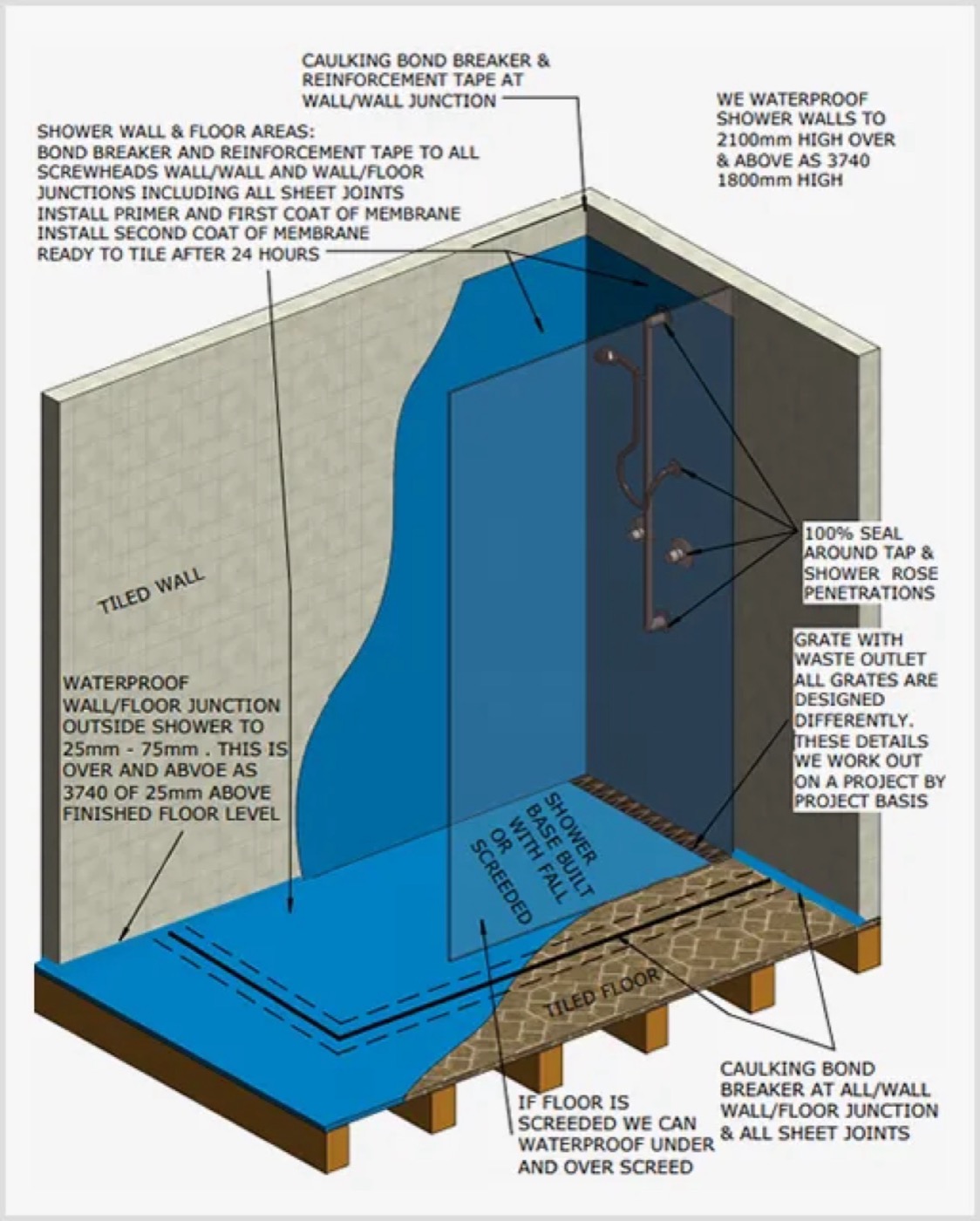
If one contractor does membranes, another doors and a third tiles, the joins between scopes need an owner. Drawings should show the complete edge, not stop at each trade.
Check before closing up
Test suitable areas, inspect upstands and record hidden details. Cosmetic work should follow confirmed repairs and drying.
For owners in dispute
Keep damaged samples, test results and photos. Speak with your lawyer about access and notice before another builder starts.
See waterproofing, defect rectification and hidden water damage.
Call 0415 840 500 or book an inspection. METCON is a licensed NSW builder (384697C) and DBP registered (BUP4254812).
Frequently asked questions
Should all bathrooms be replaced?
Not without evidence. Testing and openings can separate failed areas from sound ones.
Can marble be put back?
Sometimes. Thickness, adhesive and veins affect whether it survives removal.
Who coordinates the repair?
One lead contractor can, with scopes and responsibility for interfaces written down.