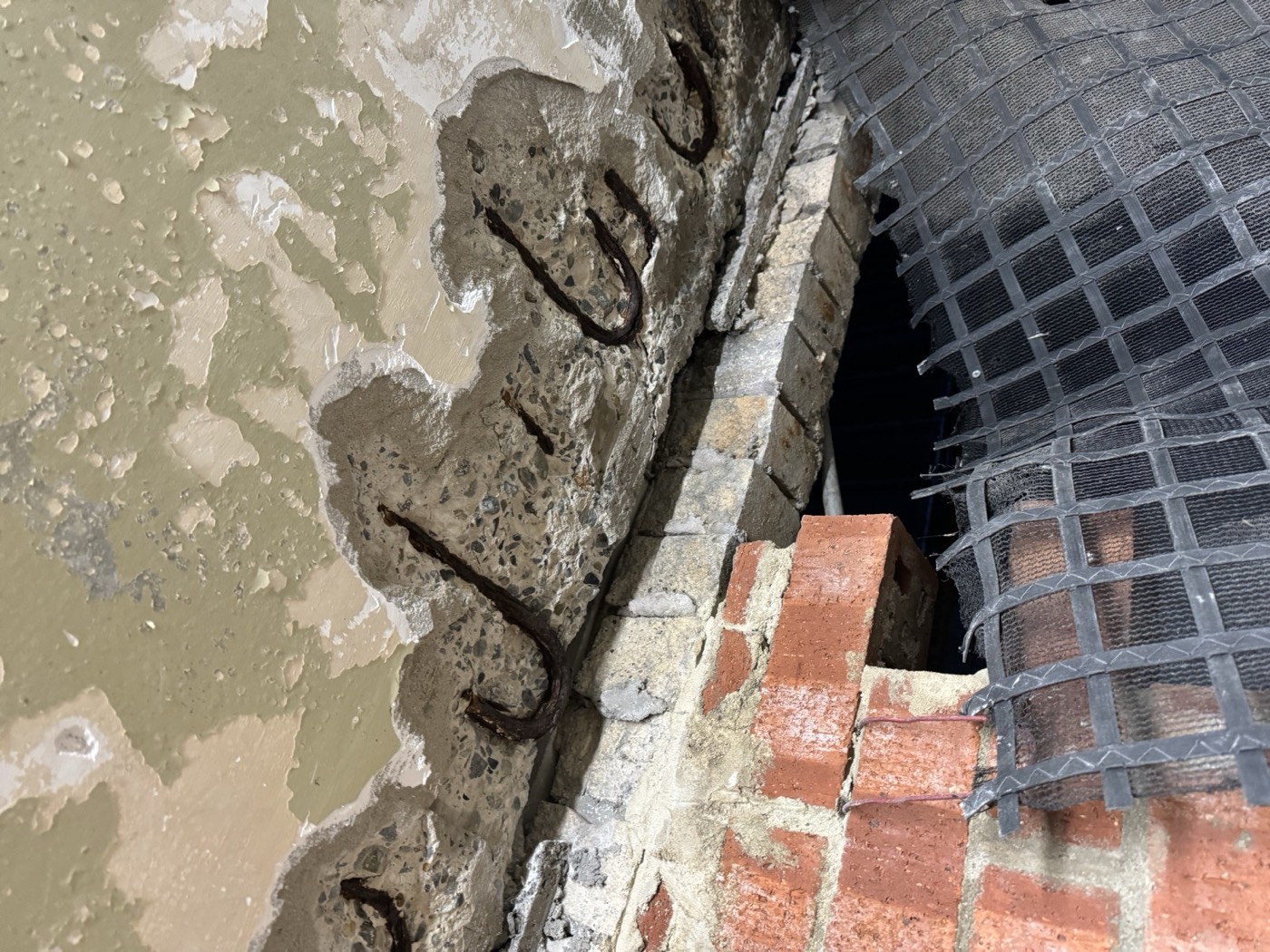
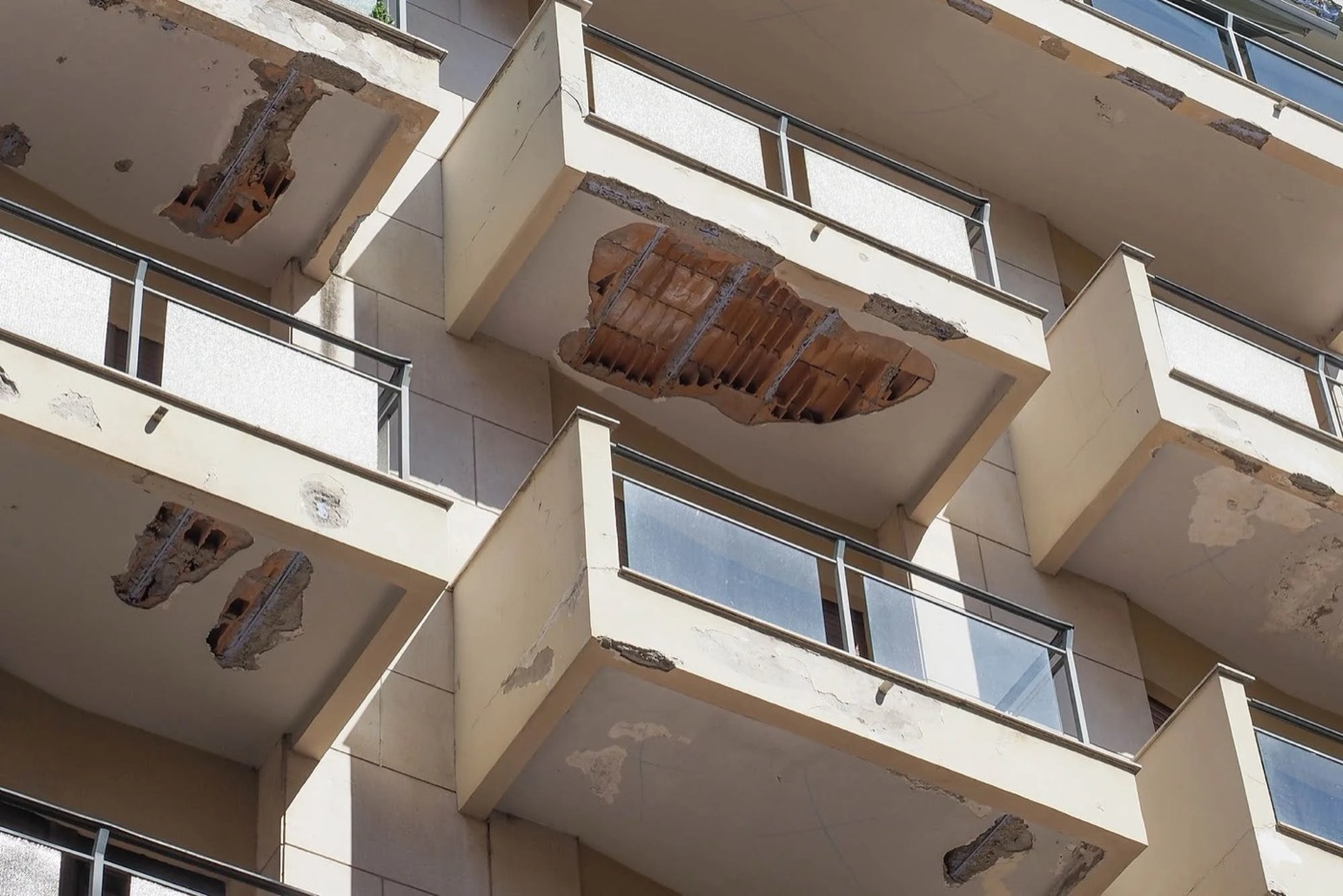
Fine cracks in render are very common on Sydney homes and apartment buildings. Many are cosmetic and easily repaired. But some point to movement, rusting steel or water getting in behind the render.
Usually cosmetic
- Fine, random "crazing" patterns across the surface.
- Cracks that are not growing.
- No staining, no hollow sound and no water getting in.
Worth investigating
- Cracks that are widening or reappear after repair.
- Stepped or diagonal cracks from window and door corners.
- Horizontal cracks at regular spacing, which can point to wall ties. See wall ties.
- Rust stains, which can mean rusting lintels or steel. See lintels.
- Hollow, drummy render.
- Damp or mould inside behind the crack.
Common causes
- Shrinkage as render cures.
- Thermal movement, especially on dark, sunny walls.
- Building or footing movement. See types of cracks.
- Missing or failed control joints.
- Rusting steel behind the render.
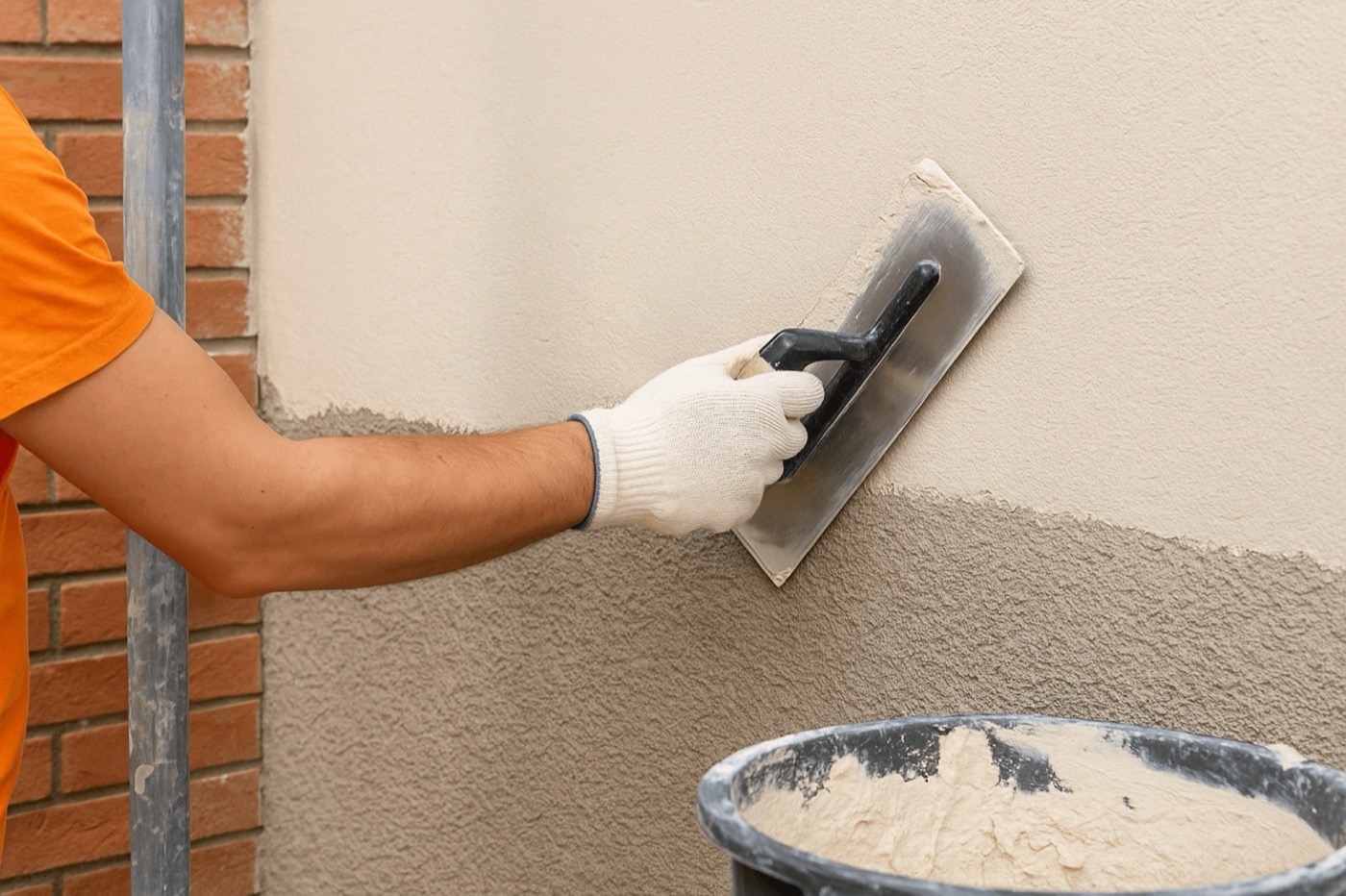
How render cracks are repaired
- Find the cause first.
- Rake out and fill cracks with a flexible filler.
- Cut out and re-render drummy areas.
- Add control joints where movement is expected.
- Coat with a flexible, breathable coating to bridge fine cracks.
See cracked render repairs and render repair costs.
How the right repair helps
Treating the cause keeps water out of the wall, and the repair stays invisible instead of cracking again.
Render repairs
We repair render on homes and apartment buildings across Sydney. Call 0415 840 500 or book a free inspection.
Frequently asked questions
Are hairline cracks in render normal?
Fine cracks are common and often cosmetic, especially from shrinkage. Widening, stepped or stained cracks should be checked.
Can I just paint over render cracks?
Fine cosmetic cracks can be filled and coated. Cracks from movement or rusting steel need the cause fixed first.
Why does render crack again after repair?
Usually because the cause, such as movement or rusting steel, was not fixed, or there are no control joints.