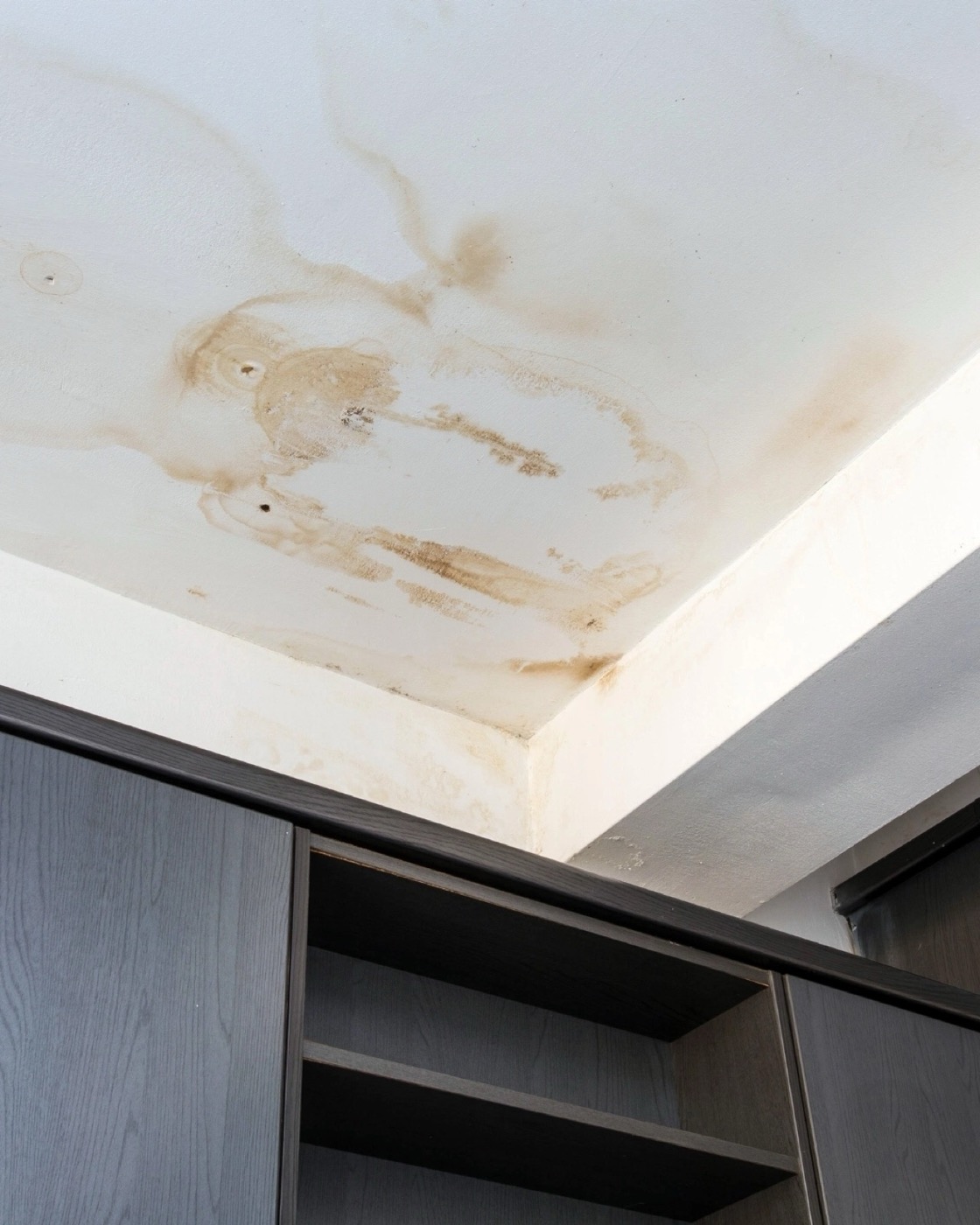
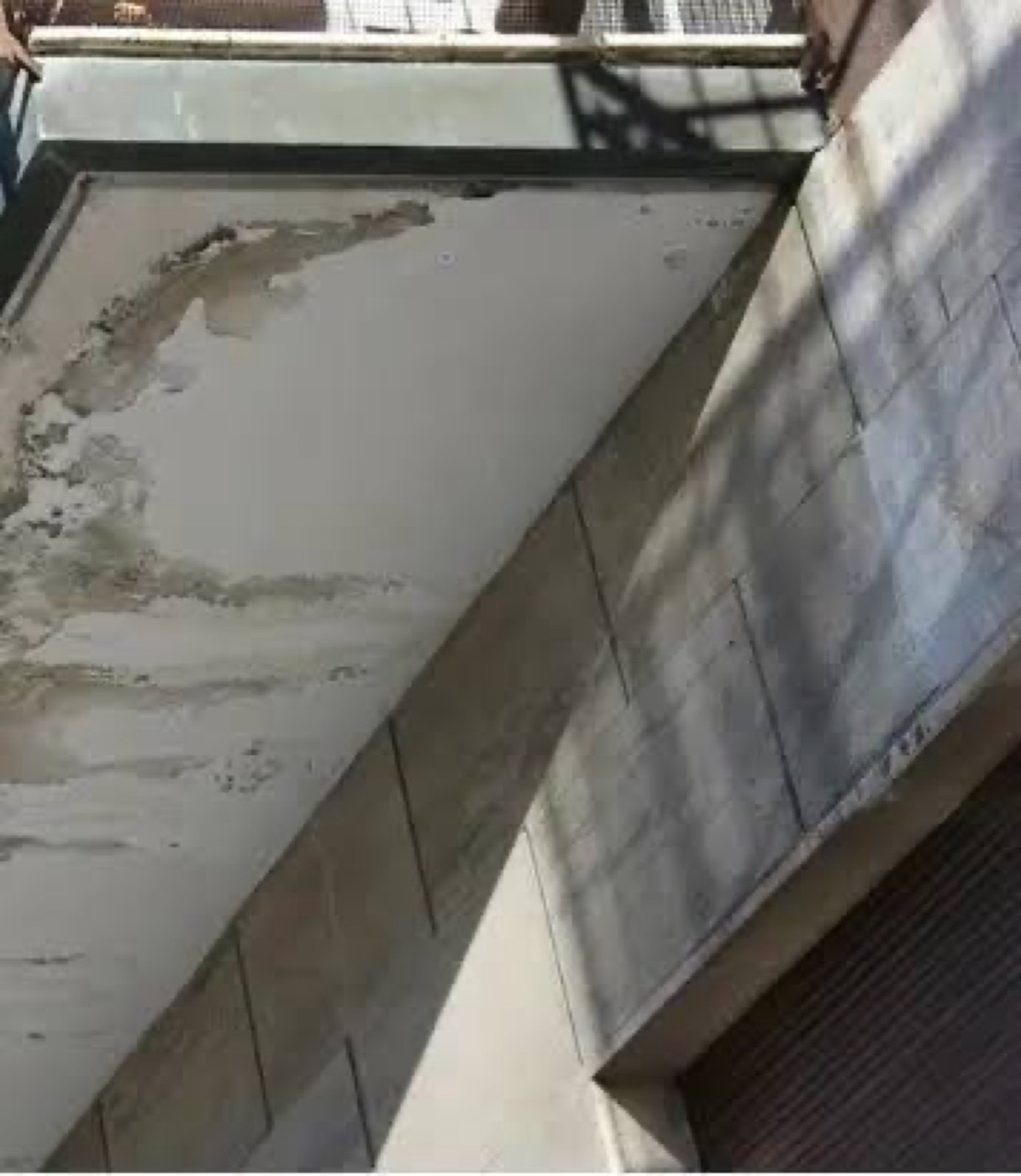
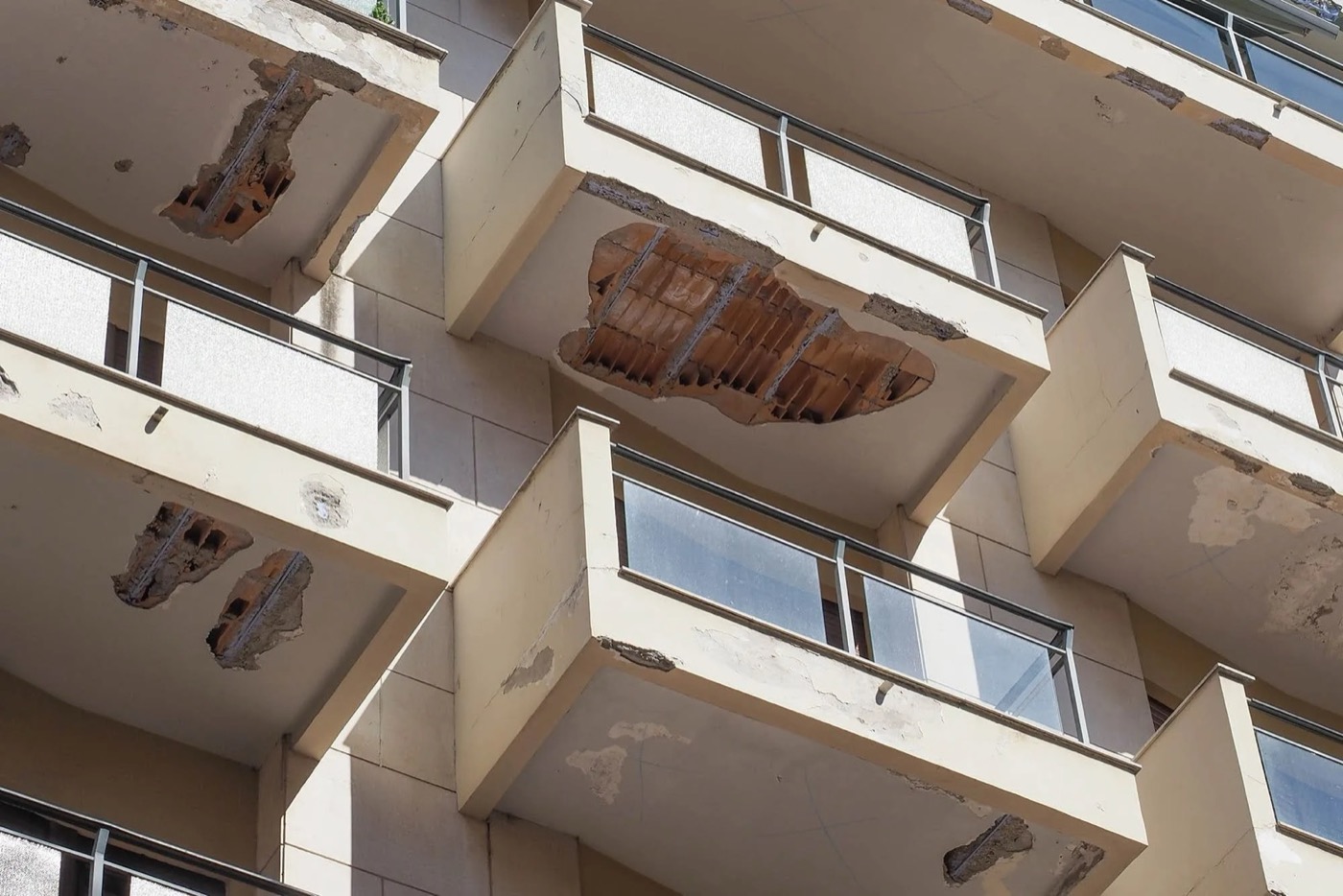
Render gives a building a clean finish and a weather skin over the brickwork behind it. When it cracks, it is tempting to fill it, paint over it and move on. Sometimes that is fine. Often it is not, because the crack is a symptom of something happening behind the surface.
Why render cracks
- Shrinkage: fine, random hairline cracks (often called crazing) as the render cures. Usually cosmetic.
- Building movement: cracks that follow a pattern, often diagonal from window and door corners, caused by the structure moving.
- Rusting steel lintels: horizontal or stepped cracks above windows and doors as the steel lintel corrodes and expands.
- No control joints: long runs of render with nowhere for movement to go will crack in straight lines.
- Render that is too hard: strong cement render over soft old brick or sandstone cannot move with the wall and cracks or detaches.
- Water getting behind it: from failed flashings, sills, balconies or rising damp, pushing render off the wall.
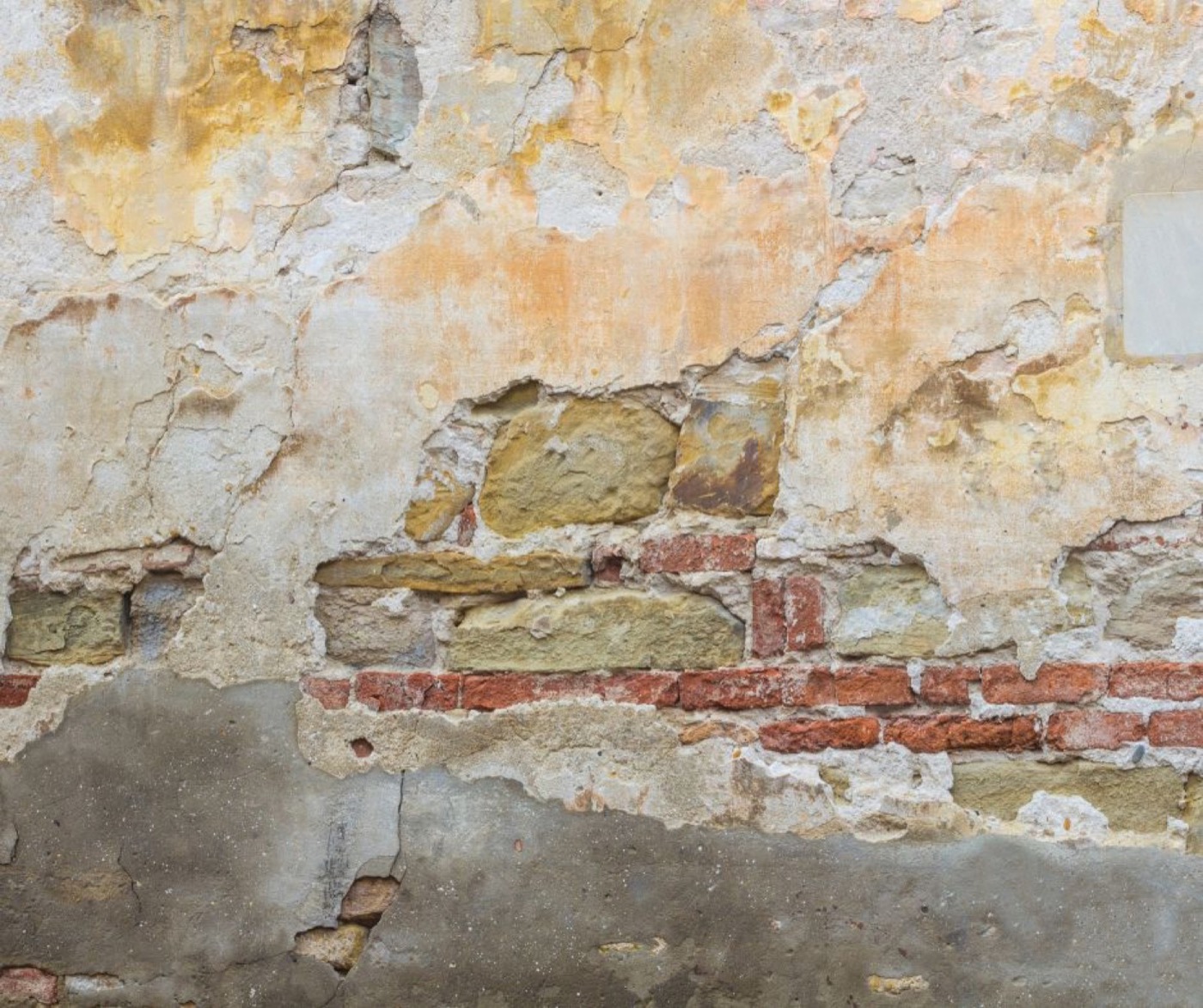
Cracked render around windows
This is one of the most common searches we see, and one of the most important to get right. Cracking that starts at the corners of windows usually comes from either building movement or a rusting lintel above the opening. Rust staining, bulging render or horizontal cracking along the top of the window points strongly to the lintel. Filling the crack does nothing for a corroding lintel; it will keep expanding and cracking the render until it is replaced.
Can cracked render cause damp?
Yes. Once render cracks, rain can track into the crack and behind the render, where it gets trapped. That can show up inside as damp patches, bubbling paint or mould, and in apartment buildings it can reach the reinforcement in slab edges and start concrete cancer.
Is it cosmetic or a bigger problem?
As a rough guide, fine random hairline cracks are usually cosmetic. Cracks that are wider than a couple of millimetres, follow a clear pattern, keep reopening, are stained with rust, or where the render sounds hollow (drummy) when tapped, are worth having inspected.
How cracked render is repaired properly
- Find the cause: movement, lintel, water entry or incompatible render.
- Fix the cause: replace rusted lintels, repair flashings and sills, address structural movement with an engineer if needed.
- Remove failed render: cut out cracked and drummy areas back to sound material.
- Repair the substrate: brickwork, stone or concrete behind the render.
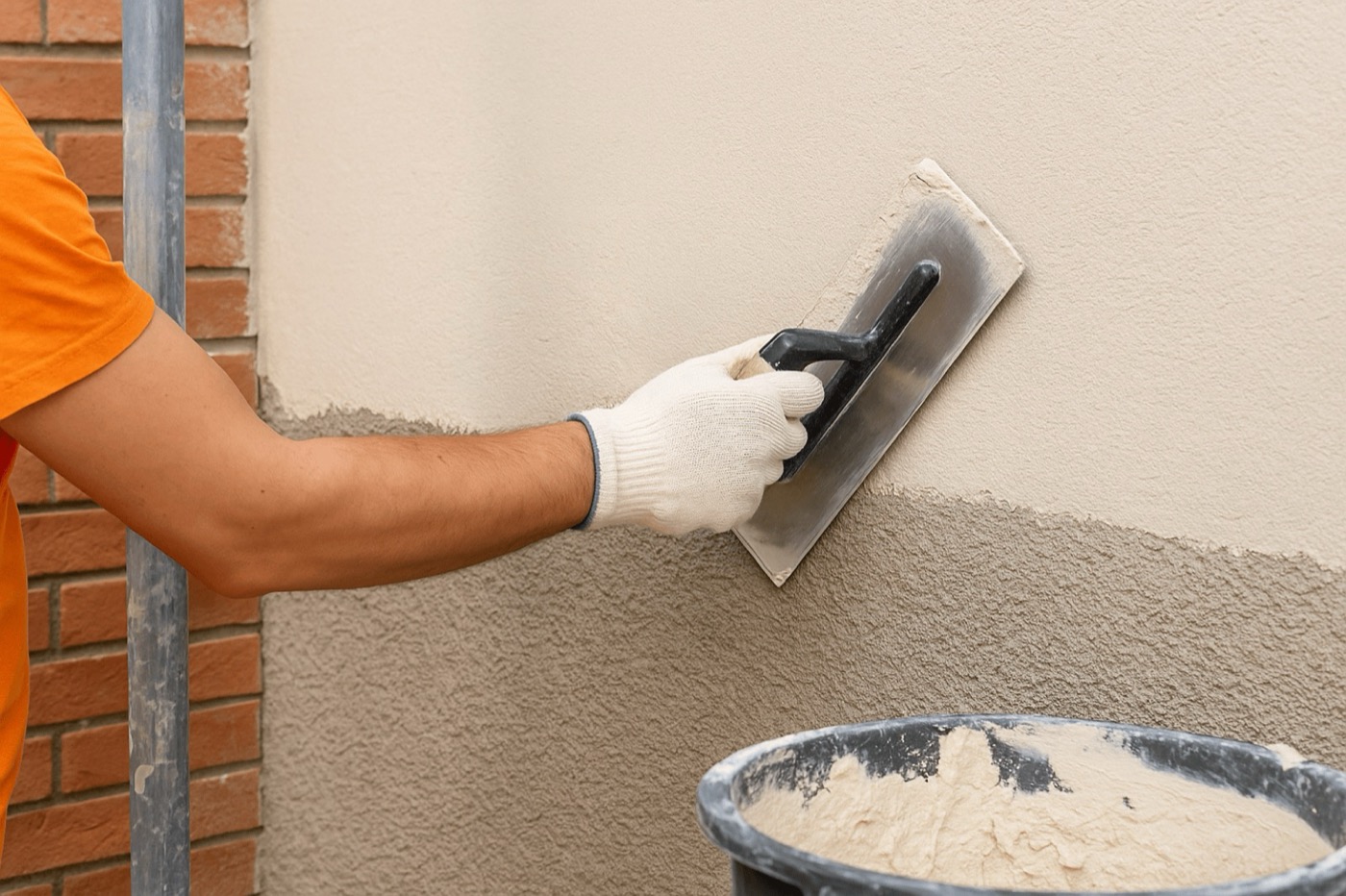
- Re-render with the right mix: compatible with the wall behind it, with control joints where needed.
- Finish and protect: a breathable coating suited to the building's exposure.
What affects the cost of render repairs?
The size of the area, building height and access, whether lintels or structural repairs are needed, matching the existing finish, and whether the whole elevation needs recoating to look consistent. A patch on a single-storey wall is a small job; a full facade on an apartment block with scaffold is a significant one. We inspect and itemise the scope so you can see what each part costs.
Get it looked at before it spreads
Cracked render lets water in, and water causes most of the defects we repair. See our facade and render repair service, or send us photos of the cracks for an initial view.