Concrete jacketing builds a new reinforced layer around an existing column, beam or wall. Engineers may choose it when corrosion is widespread or the member needs more capacity.
How it differs from patching
A patch replaces concrete that has failed. A jacket becomes a structural part of the member, so new reinforcement, ties and connection to the old concrete are designed together.
When it may suit
- Loss of concrete and steel around much of a column.
- Extra load from a new use.
- Weak confinement or poor original detailing.
- Fire or impact damage that has been assessed.
Design questions
Can the larger column fit between parking bays or doors? Can load pass into the footing? How will the top connect to a beam or slab? Will the added concrete itself add weight?
Construction stages
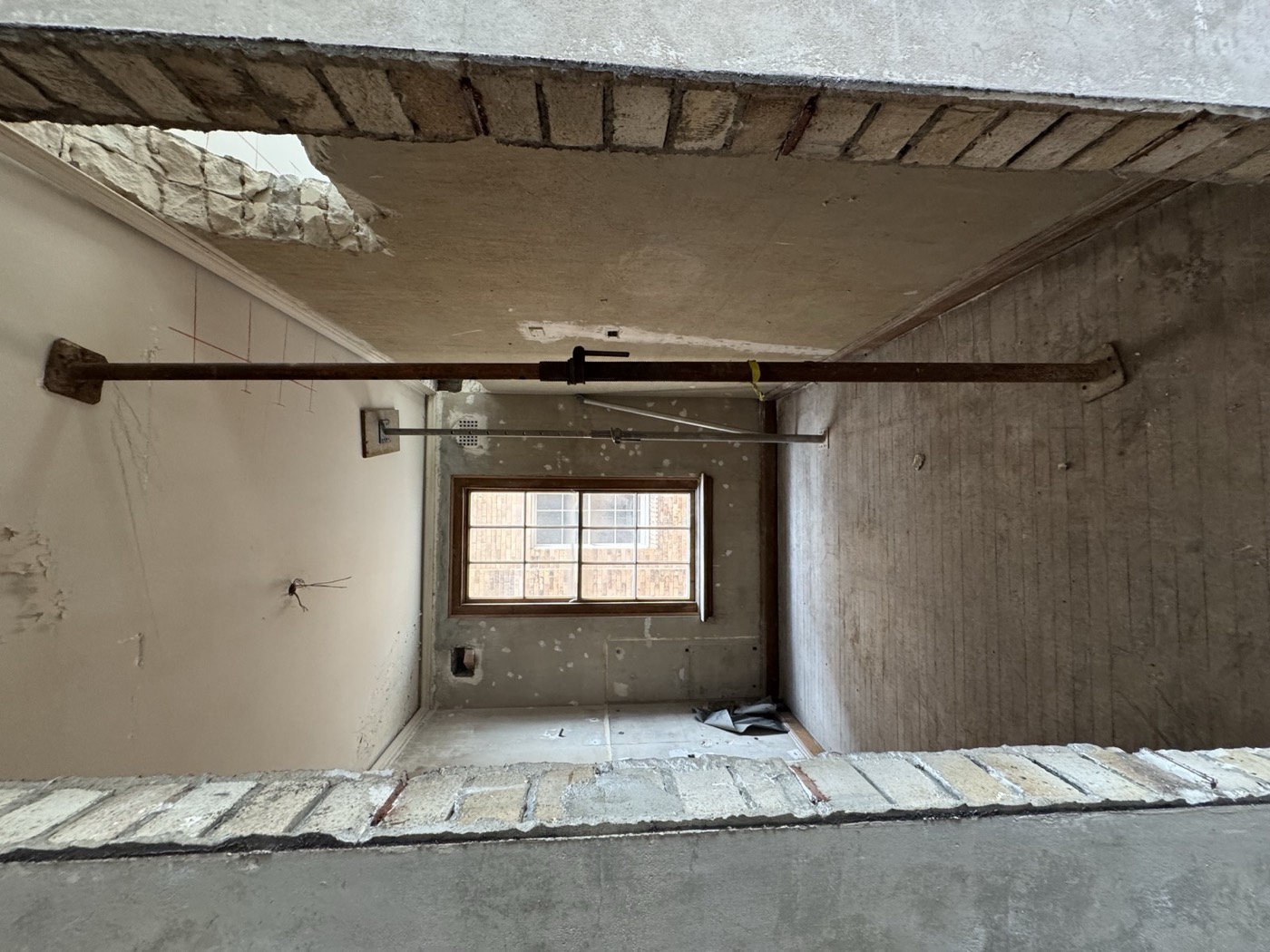
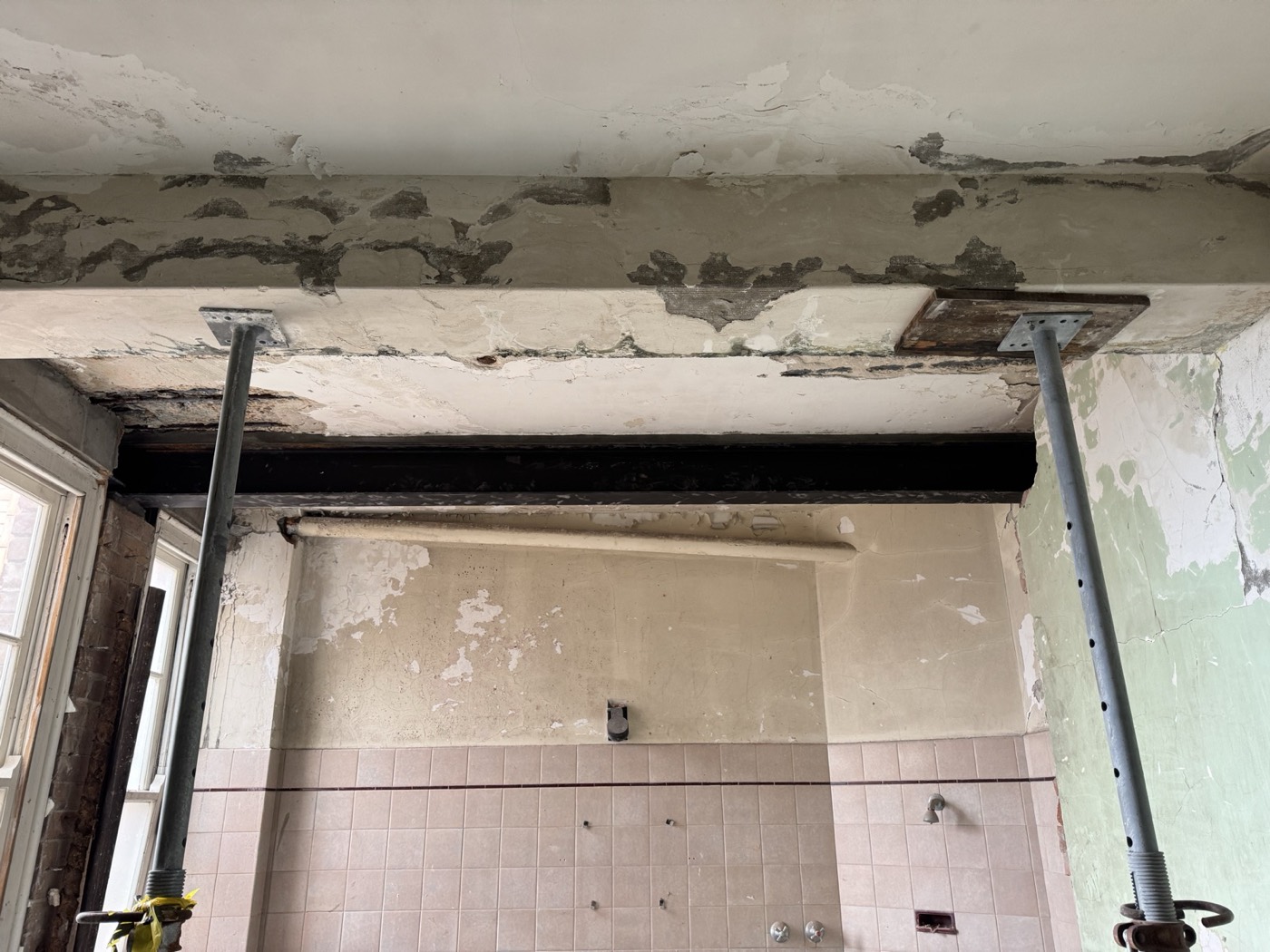
- Prop and reduce load as directed.
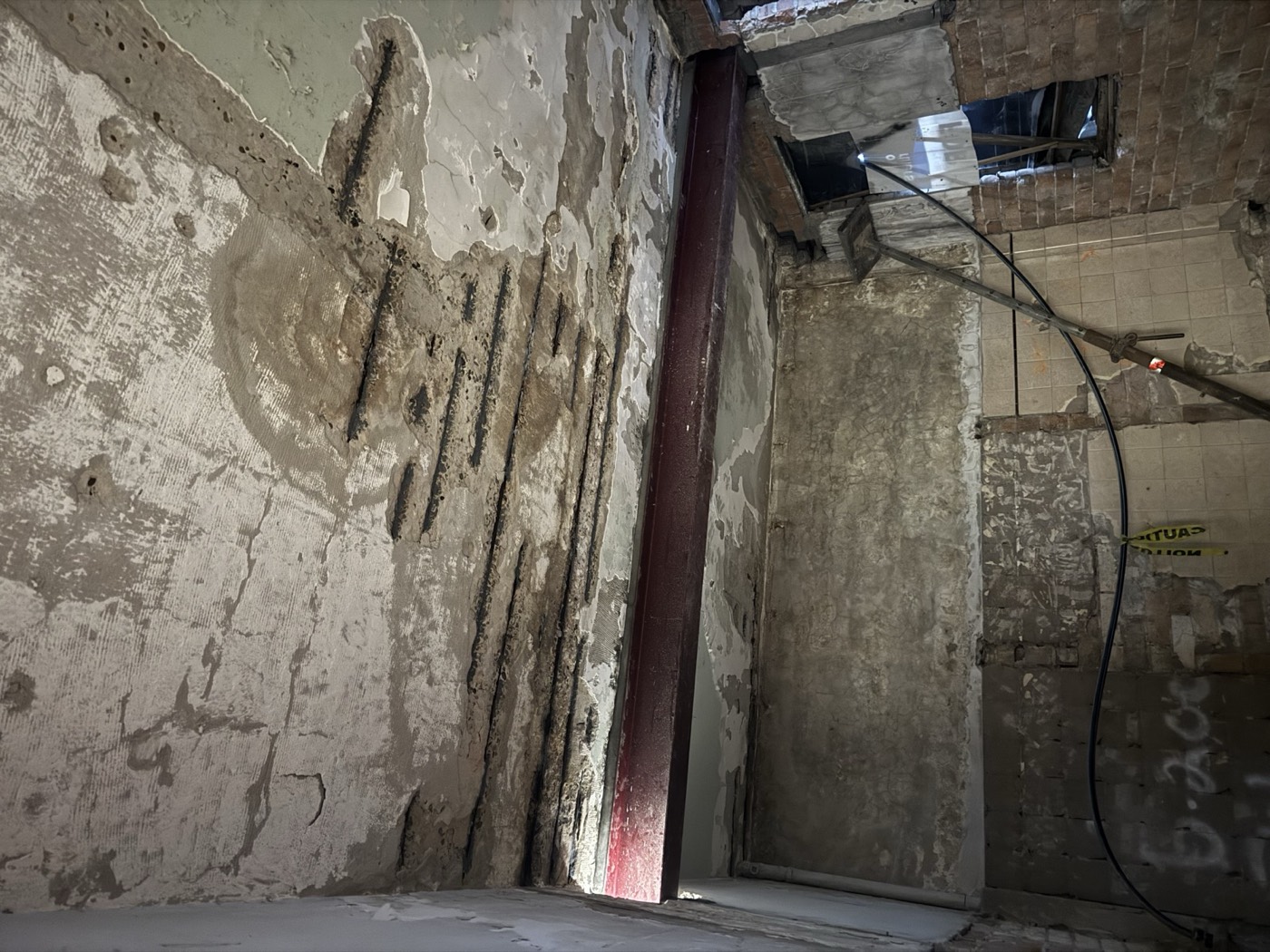
- Remove damaged material and contamination.
- Roughen and clean the old surface.
- Fix steel, dowels and formwork.
- Place and cure the specified concrete.
- Strip and transfer load in the approved sequence.
Quality that cannot be seen later
Photos should show the prepared surface, bars, spacing and cover. Trial pours can help where space is tight. A perfect face can hide a void behind congested steel.
For other options, see carbon fibre, concrete columns and beams and concrete repairs.
Call 0415 840 500 or book an inspection. METCON is a licensed NSW builder (384697C) and DBP registered (BUP4254812).
Frequently asked questions
Will a jacketed column look bigger?
Yes. The extra thickness must be checked against doors, parking and access.
Is jacketing the same as rendering?
No. Render is a finish. A structural jacket has designed reinforcement and concrete.
Can it be done under load?
The engineer decides whether propping or load transfer is needed.