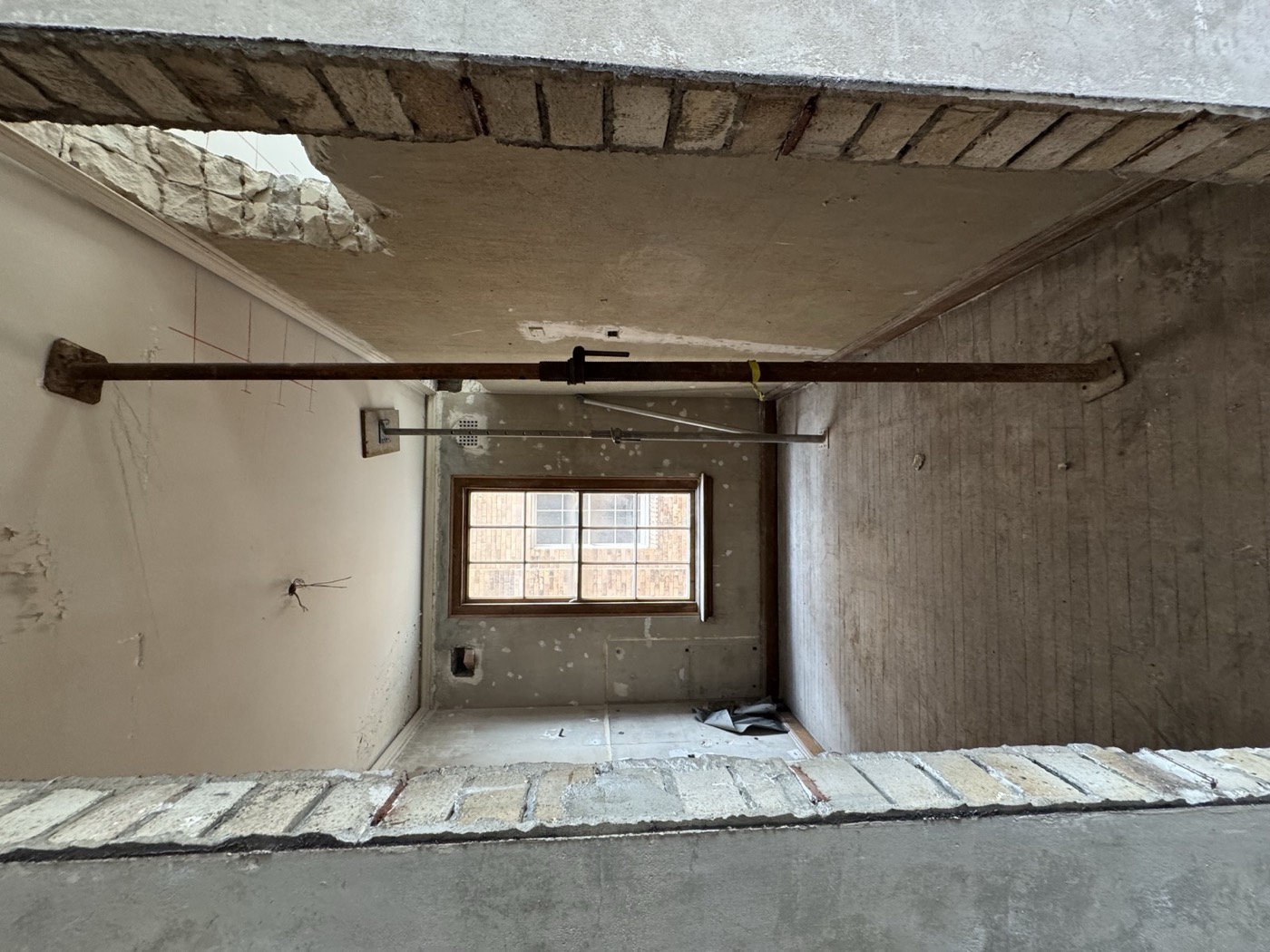
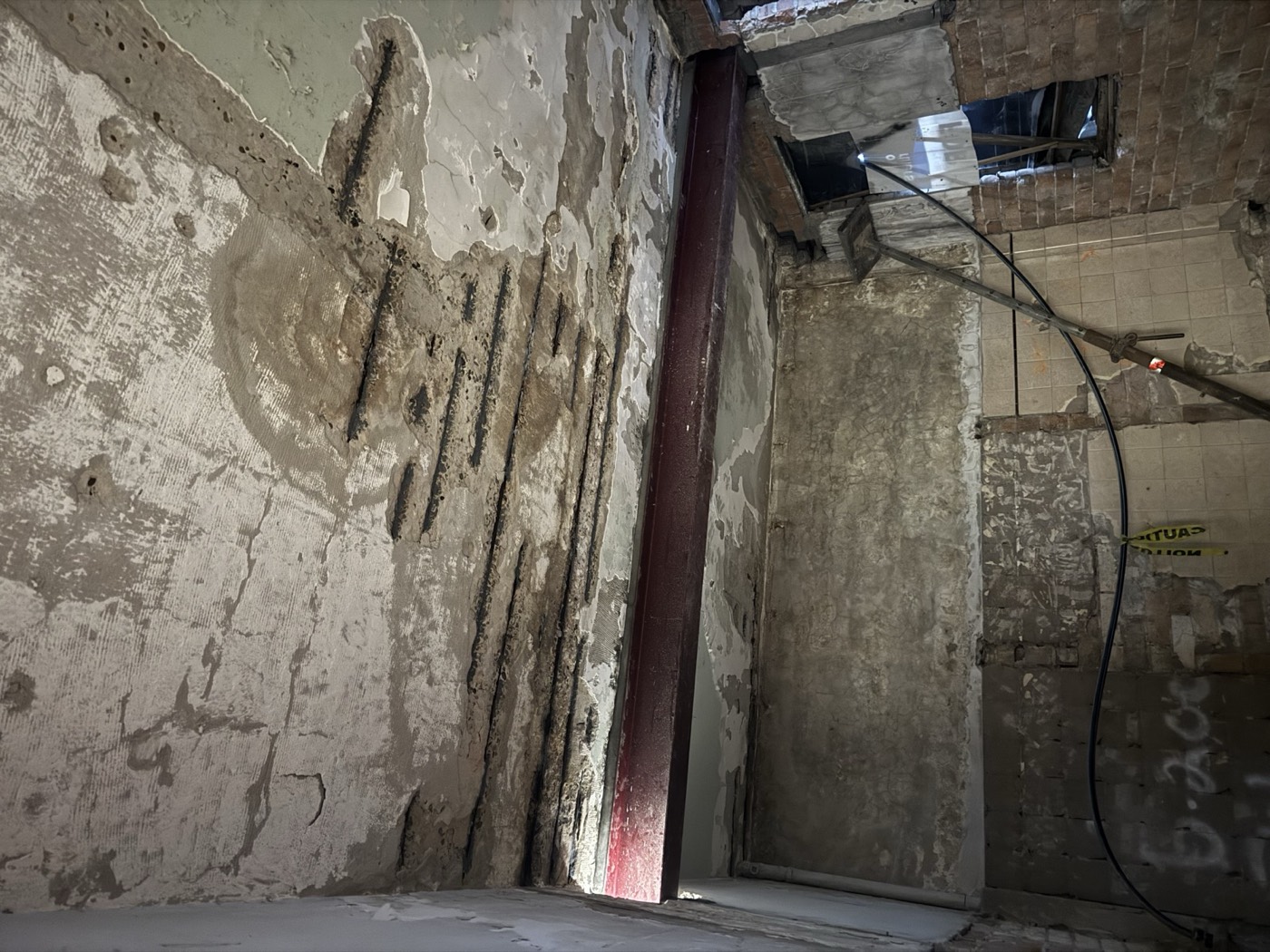
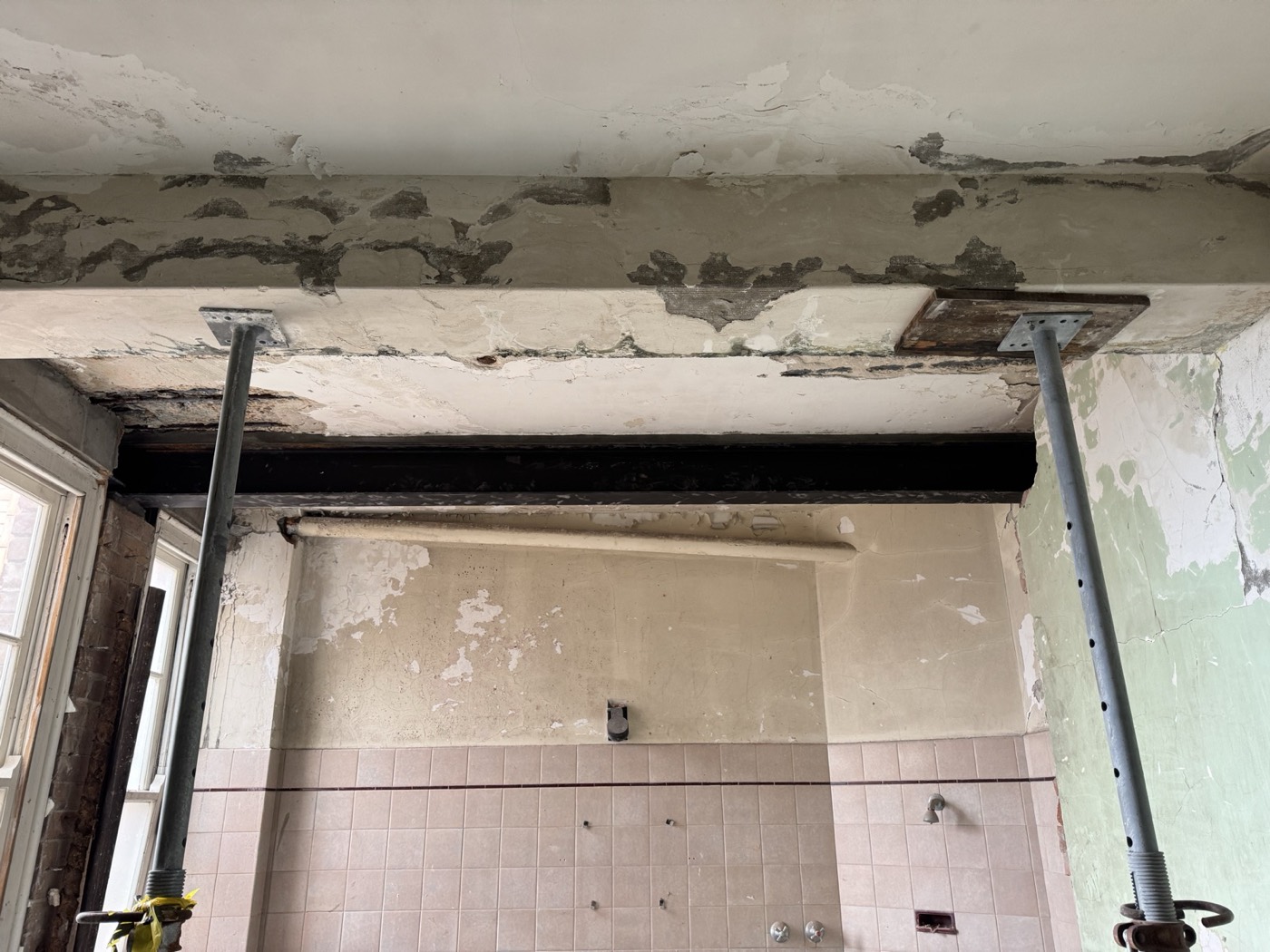
An existing footing may be sound for the house it carries today. Dig deeper next to it or add another floor, and the footing may no longer be enough. Underpinning can take support to a lower level or increase capacity.
Two reasons to underpin
- New excavation: protects footings from losing support.
- New load: helps foundations carry an extension or changed structure.
The engineer may also choose piles, beams or a different layout, so underpinning should not be assumed.
Site information needed
Expose footings where requested, investigate soil and check the neighbour's structure. Groundwater and rock affect whether hand-dug pits are safe or practical.
Why sections are staggered
Opening a whole footing at once removes too much support. Work is split into numbered bays and completed in a set order. Adjacent bays wait until concrete and packing are ready to carry load.
The connection that matters
The gap between old footing and new concrete is packed as specified. If that contact is poor, the house can settle as load moves onto the new work.
Budget properly
Access, depth, rock, groundwater, disposal and neighbour monitoring can change the job. Compare bay dimensions, quantities and exclusions. A price "per pin" means little when pins are different sizes.
Protect the program
Excavation cannot overtake the underpinning sequence. Make the hold points visible on the main program so another trade does not remove soil early.
See underpinning methods and underpinning services.
Call 0415 840 500 or book an inspection. METCON is a licensed NSW builder (384697C) and DBP registered (BUP4254812).
Frequently asked questions
Will underpinning stop all cracks?
It can address foundation support. Other cracks may have different causes.
Can we live there?
Sometimes. Access, noise and structural risk determine which areas stay usable.
Do we need neighbour consent?
You need it for work on or under their land, and may need agreements for monitoring and access.