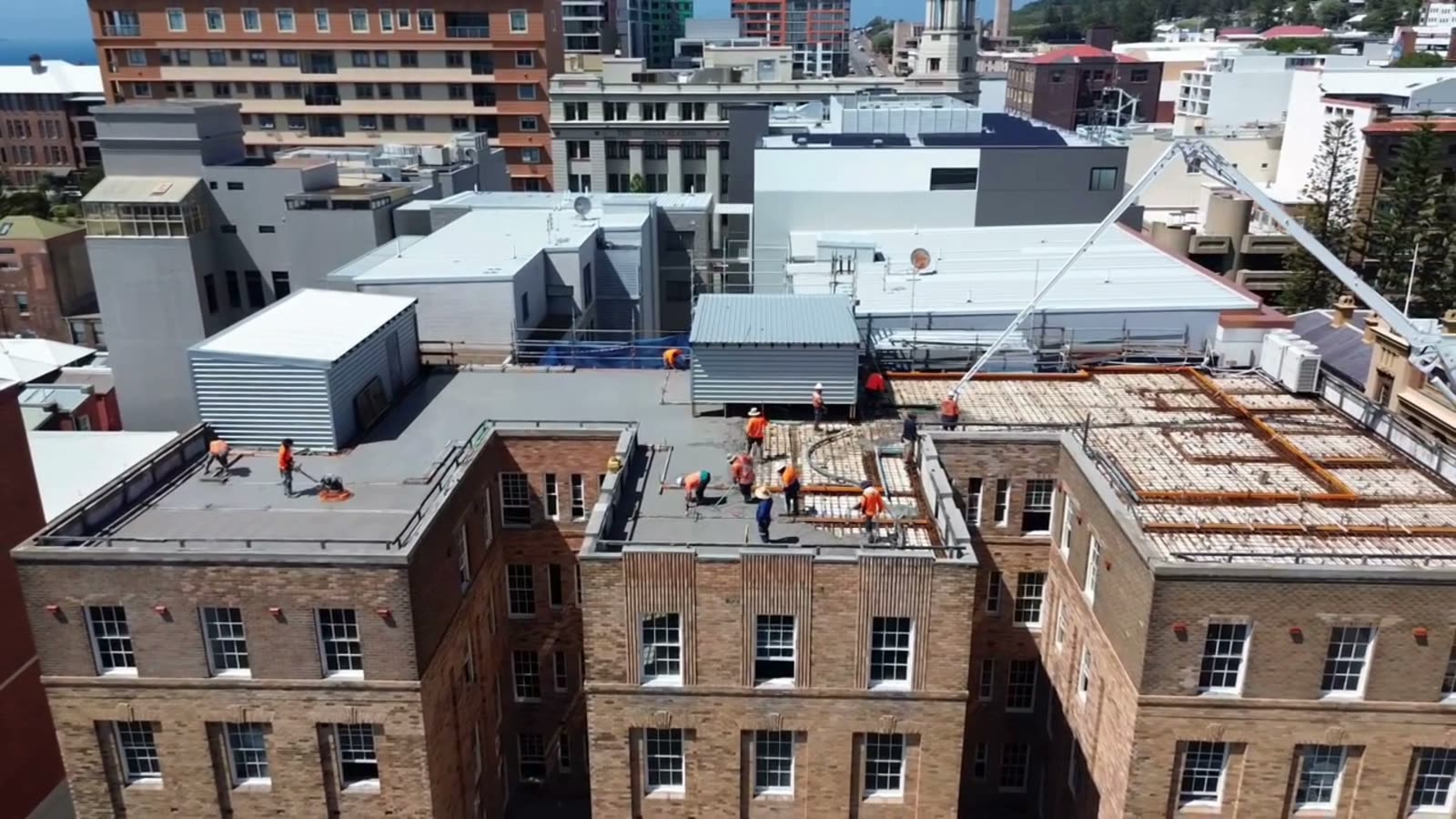
Building a new hotel in Sydney has become very expensive, and market reports point to slower new supply over the next few years. That makes the hotels already standing more valuable, and it makes a good refurbishment worth planning carefully.
Start with the building, not the mood board
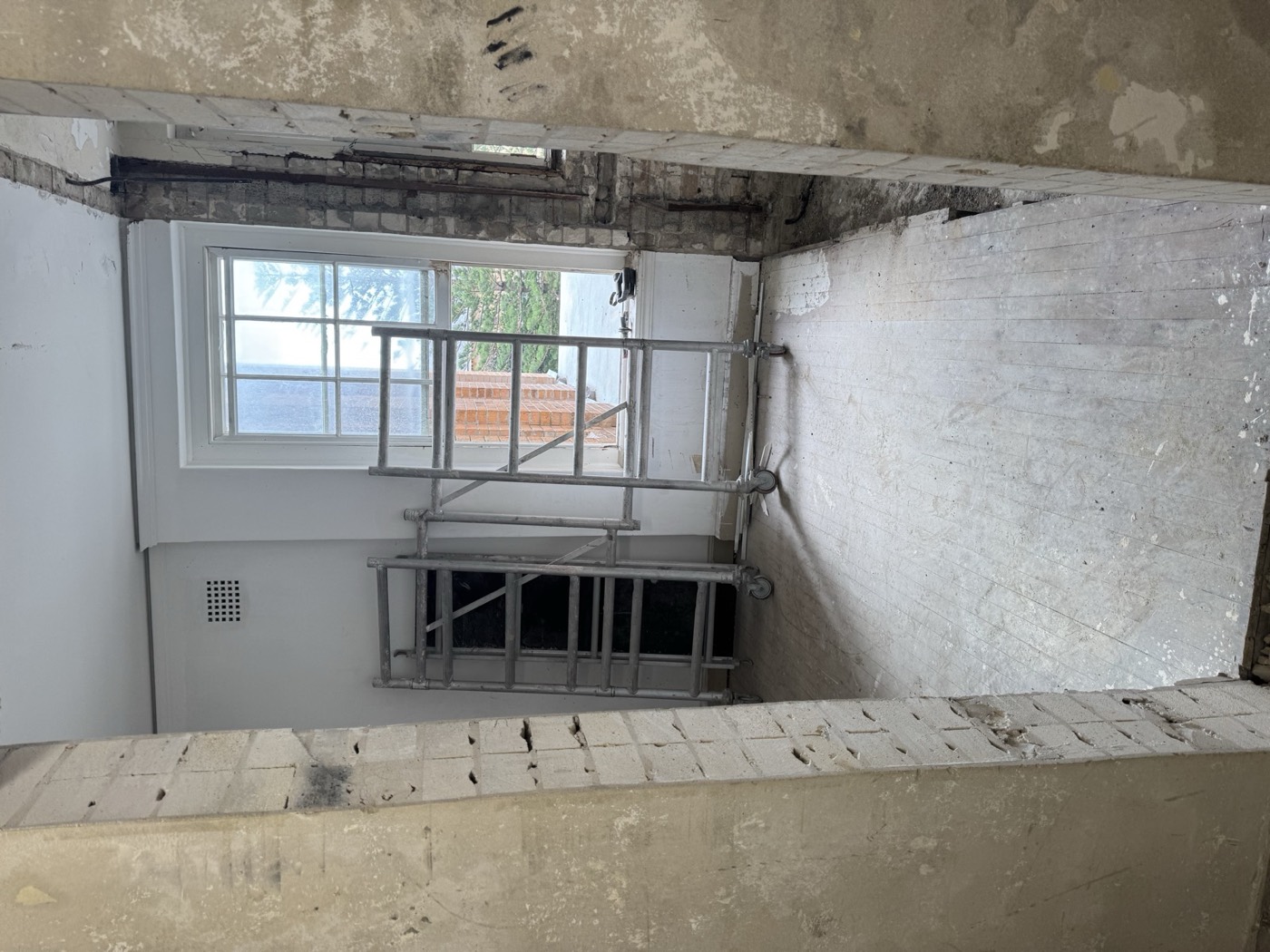
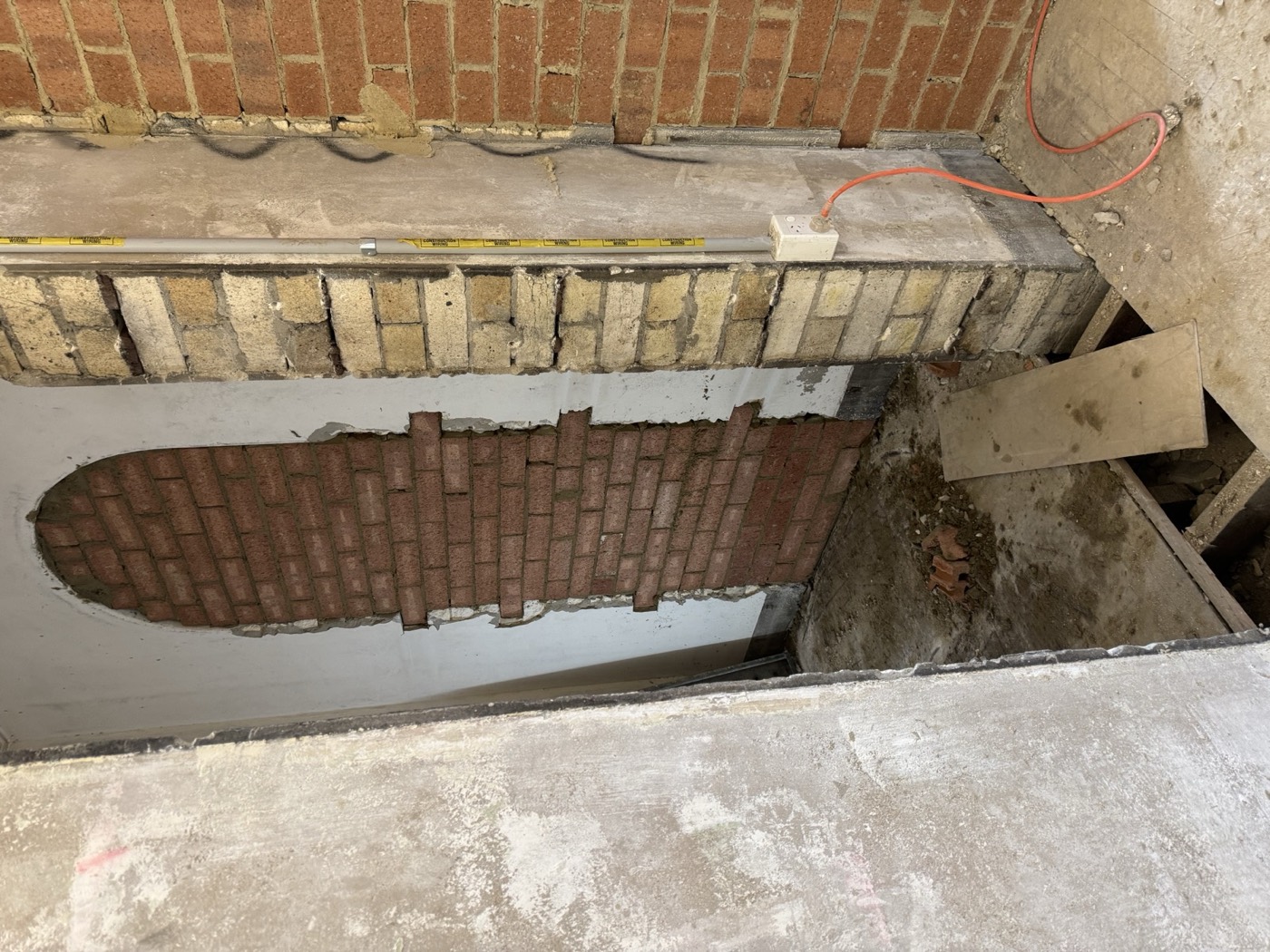
Before carpets and joinery, find out what is behind the walls. Leaking bathrooms, tired roofs, corroded steel and failed balcony membranes will spoil new finishes within a season. Open up a small sample of rooms on different levels and sides of the building.
Sort the work into four groups
- Safety and structure: anything that could injure someone or affect stability.
- Water: roofs, bathrooms, balconies, windows and plant rooms.
- Compliance: fire, access and approvals triggered by the work.
- Guest experience: rooms, corridors, lobby and food areas.
Fund the first three before the fourth. They are harder to fix later.
Build a sample room
A complete prototype tests the design, the trades, the noise and the time. Record how many days each step took and what went wrong. It is the best evidence you will have for the full program.
Stage around plumbing and people
Vertical bathroom stacks often share pipes, so closing a stack can be more practical than closing a floor. Balance that with lifts, fire exits, housekeeping and guest routes.
Keep the numbers honest
Track construction, loose furniture, consultants, lost room nights and contingency as separate lines. A cheap trade price with a long shutdown can be the dearest option.
Finish with records
Keep plans, product data, membrane tests, photos of hidden work and warranties for each room type.
Read cost factors, room checklist and the Great Northern Hotel case study.
Call 0415 840 500 or book an inspection. METCON is a licensed NSW builder (384697C) and DBP registered (BUP4254812).
Frequently asked questions
Can a hotel stay open during refurbishment?
Often yes, in stages, if fire exits, noise, dust and guest routes can be managed safely.
What should be done first?
Investigation, then structure and water, then compliance, then finishes.
Is a sample room worth it?
Usually. Problems found in one room cost far less than the same problem repeated across the hotel.