Owners usually ask for one number per room. It is useful for an early budget, but it can be badly wrong if it comes from a hotel with different plumbing, age and access.
The biggest drivers
- Bathrooms: wet areas involve demolition, plumbing, waterproofing and several trades in a small space.
- Services: replacing risers, air conditioning or electrical boards lifts the whole job.
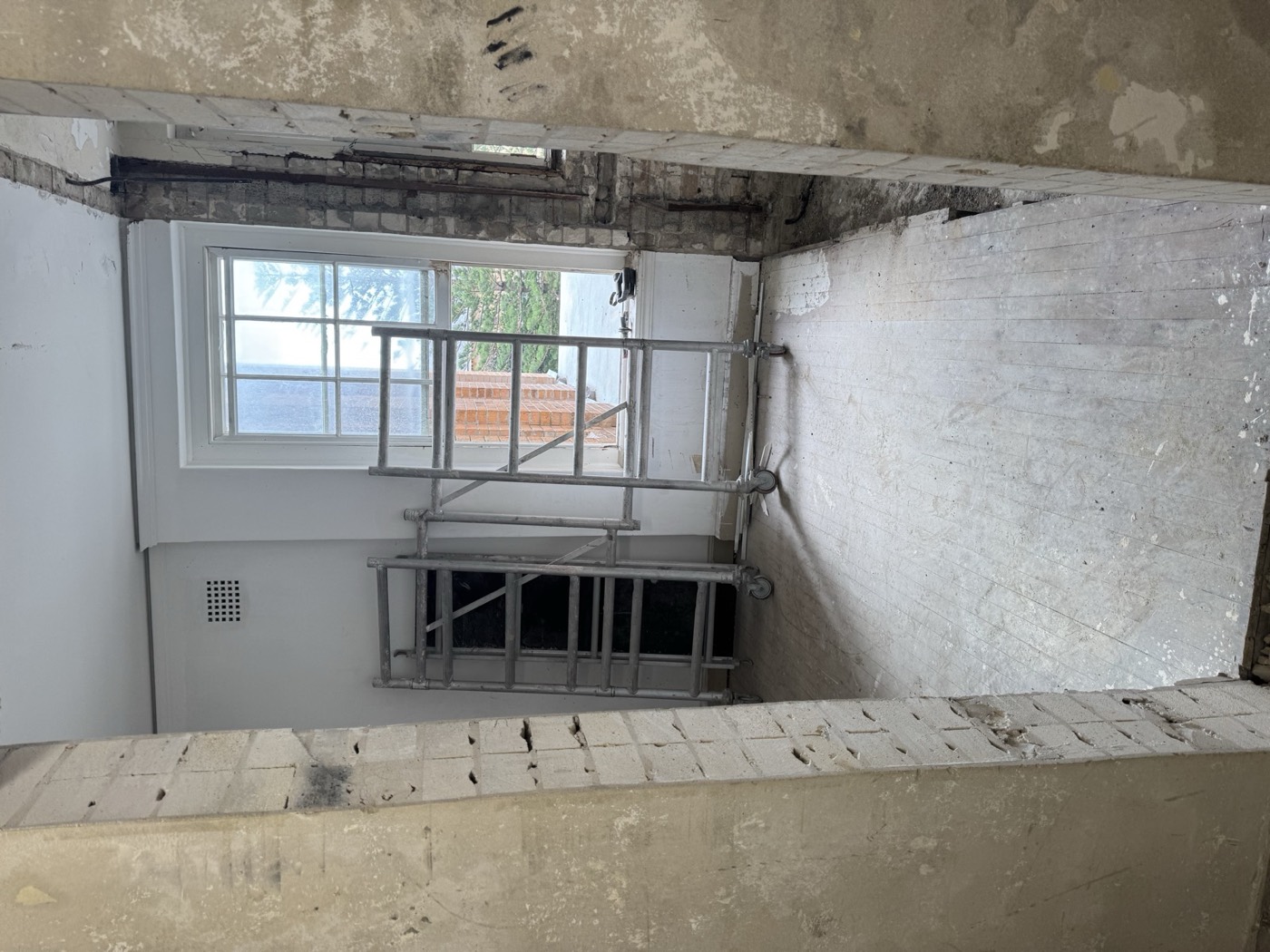
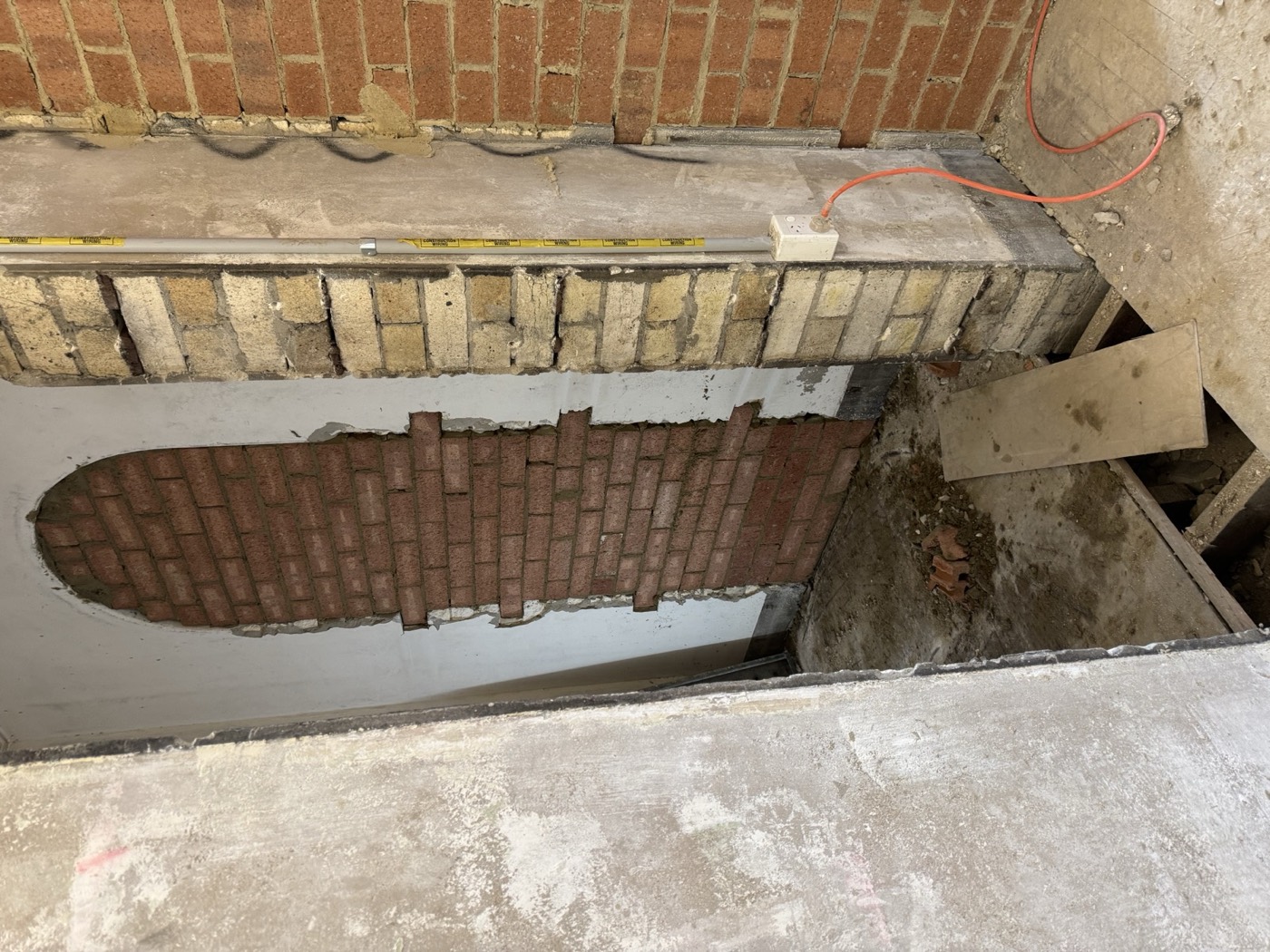
- Hidden defects: rotten framing, corroded steel and failed membranes appear after strip-out.
- Compliance: fire and access work may be triggered by the scope.
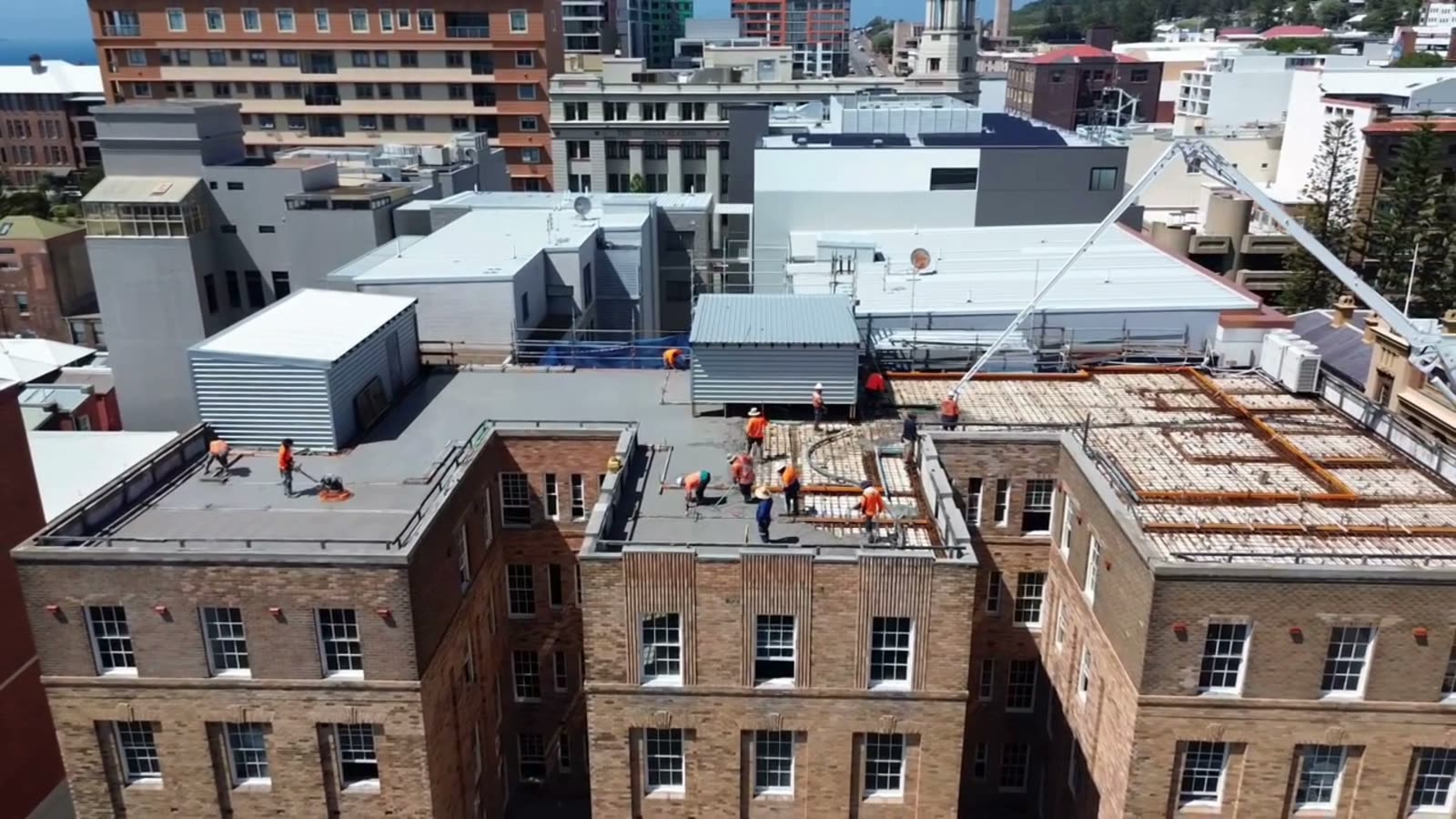
- Staging: small groups of rooms cost more than one large handover.
- Access: no goods lift, no loading dock and narrow stairs all add labour.
Separate these budget lines
- Investigation and design.
- Demolition and hazardous material work.
- Building fabric and structure.
- Services.
- Room finishes and joinery.
- Furniture, fittings and equipment.
- Temporary works and after-hours labour.
- Contingency.
- Lost room revenue.
Comparing two quotes is only fair when each line is included in both.
Where savings are real
Repeating one detail, ordering long-lead items early and combining work behind the same wall all help. So does fixing a riser once, rather than opening it again for the next floor.
Where savings are false
Keeping a doubtful membrane, skipping the sample room or leaving old valves behind new tiles usually moves the cost to a later, more disruptive date.
A better way to budget
Open several rooms, price the prototype, then apply rates to counted room types. Hold contingency for what opening up could not show.
See capex planning and bathroom programs.
Call 0415 840 500 or book an inspection. METCON is a licensed NSW builder (384697C) and DBP registered (BUP4254812).
Frequently asked questions
What is the average cost per room?
There is no reliable single figure. Scope, bathrooms, services and building condition vary too much.
Does doing more rooms at once save money?
It can, but the revenue lost from closing them must be counted too.
How much contingency is needed?
It should reflect age, investigation and unknown services. Older buildings need more.