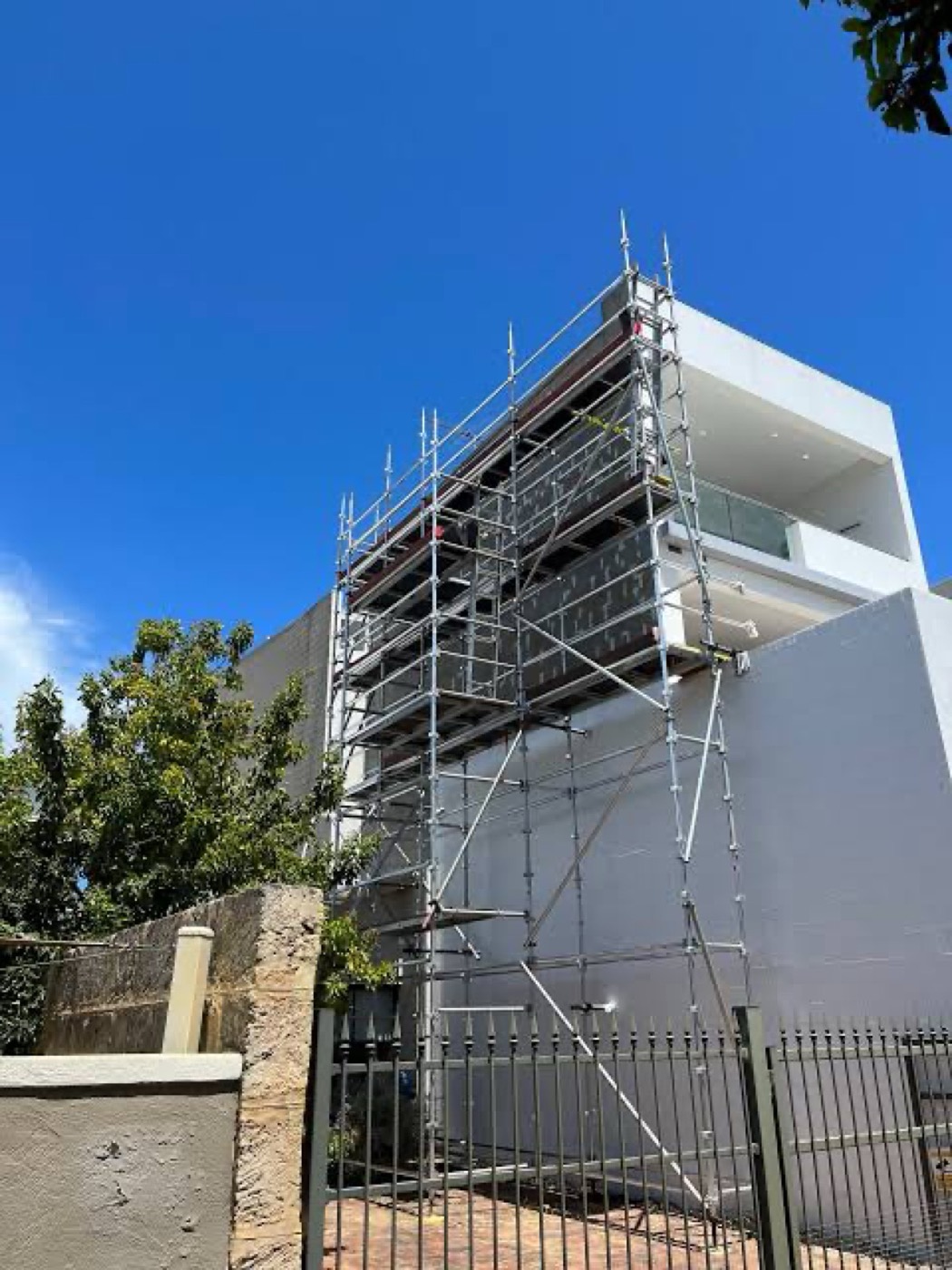
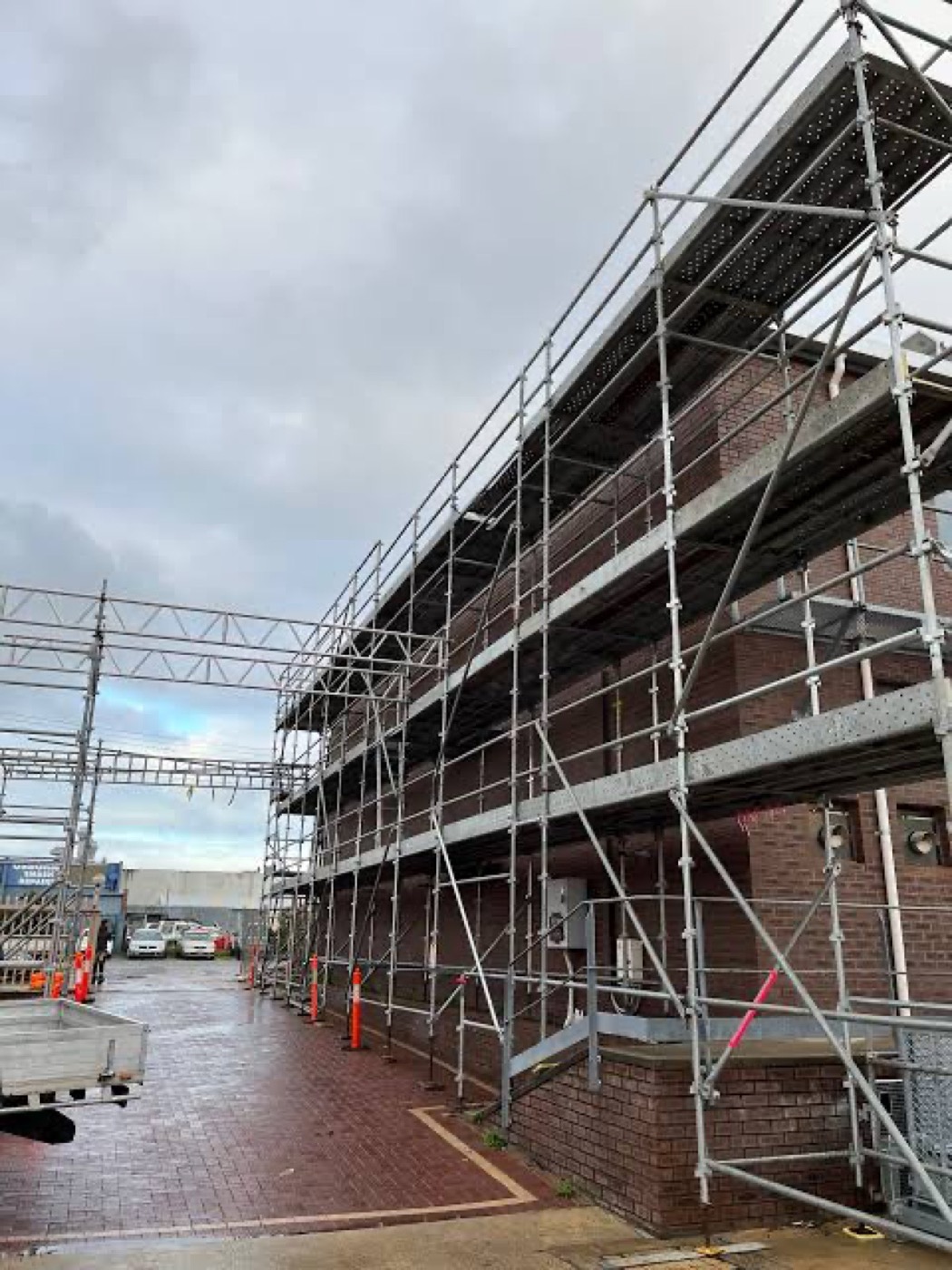
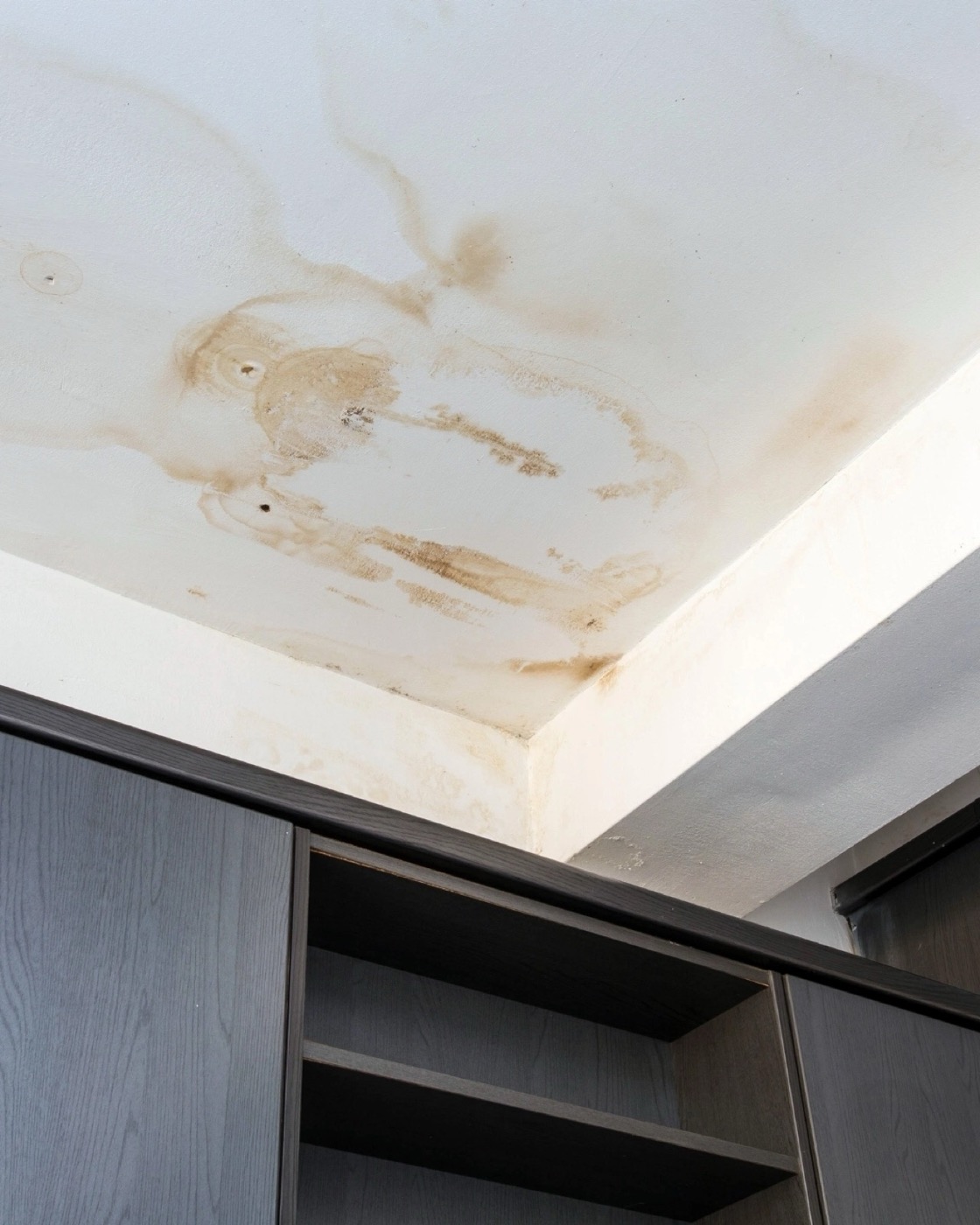
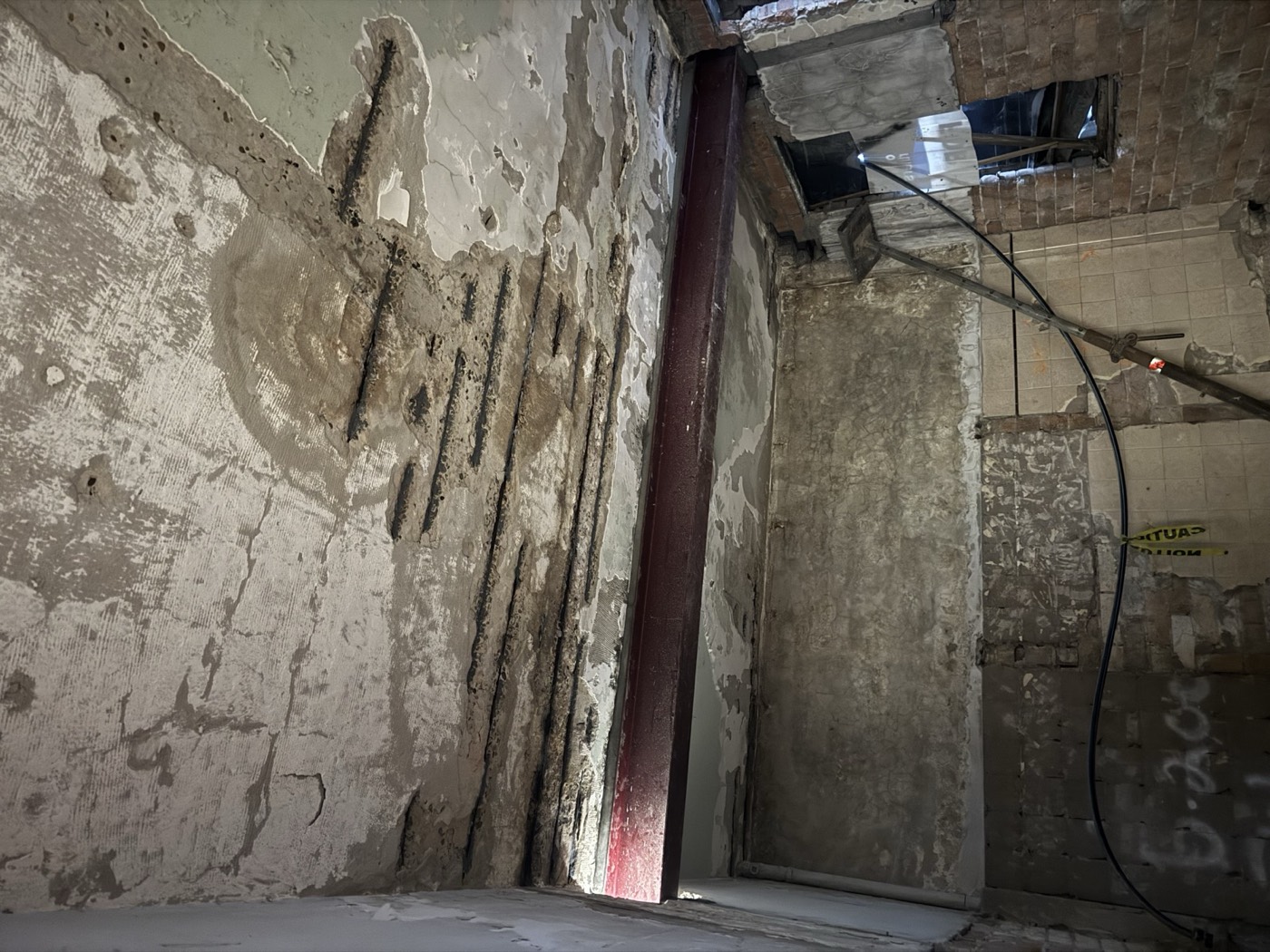
In remedial building, you rarely know exactly what is under the tiles, behind the render or inside the slab until you open it up. More concrete cancer, rotten framing, extra leaks or a missing membrane are common finds. How the project handles them decides whether it stays on track.
Common finds
- More corroded reinforcement than the testing suggested.
- Rotten timber framing behind wet walls.
- No membrane, or several old failed membranes.
- Asbestos in old sheeting, adhesives or pipes.
- Previous patch repairs hiding damage.
- Missing or undersized steel in older structures.
Plan for it before you start
- Investigation: testing and opening up before pricing reduces the unknowns. See concrete testing.
- Contingency: a sum set aside for the unexpected. See contingency budgets.
- Schedule of rates: agreed rates for extra concrete repair, so extras are priced fairly. See variations and provisional sums.
When something is found
- Stop and photograph it.
- The builder notifies the engineer or superintendent.
- The engineer decides the repair.
- The builder prices it under the contract rates, or as a variation.
- The committee approves within its authority, or calls a meeting if needed.
Delays in approving extras cost money, as scaffold and crews wait. Agree in advance who can approve what, and up to what amount.
Tell owners early
Owners accept extra cost better when they see the photos and the reasons early, not in a surprise levy at the end.
Could it be a defect claim?
If the building is newer, hidden damage found during works may be a building defect. Record it carefully and get advice about warranty periods. See strata defect reports.
Remedial works without surprises
We investigate before pricing, photograph every find and price extras at agreed rates. See strata remedial works. METCON is a licensed builder (384697C) and DBP registered (BUP4254812) for Class 2 apartment buildings. Call 0415 840 500 or book an inspection.
Frequently asked questions
How big should the contingency be?
It depends on how much investigation was done. Less investigation means more contingency. The engineer can advise for your building.
Can the builder stop work until extras are approved?
The contract sets out the process. Quick decisions keep the project moving.
Who checks the extra work was needed?
The engineer or superintendent, using the photos and their own inspection.