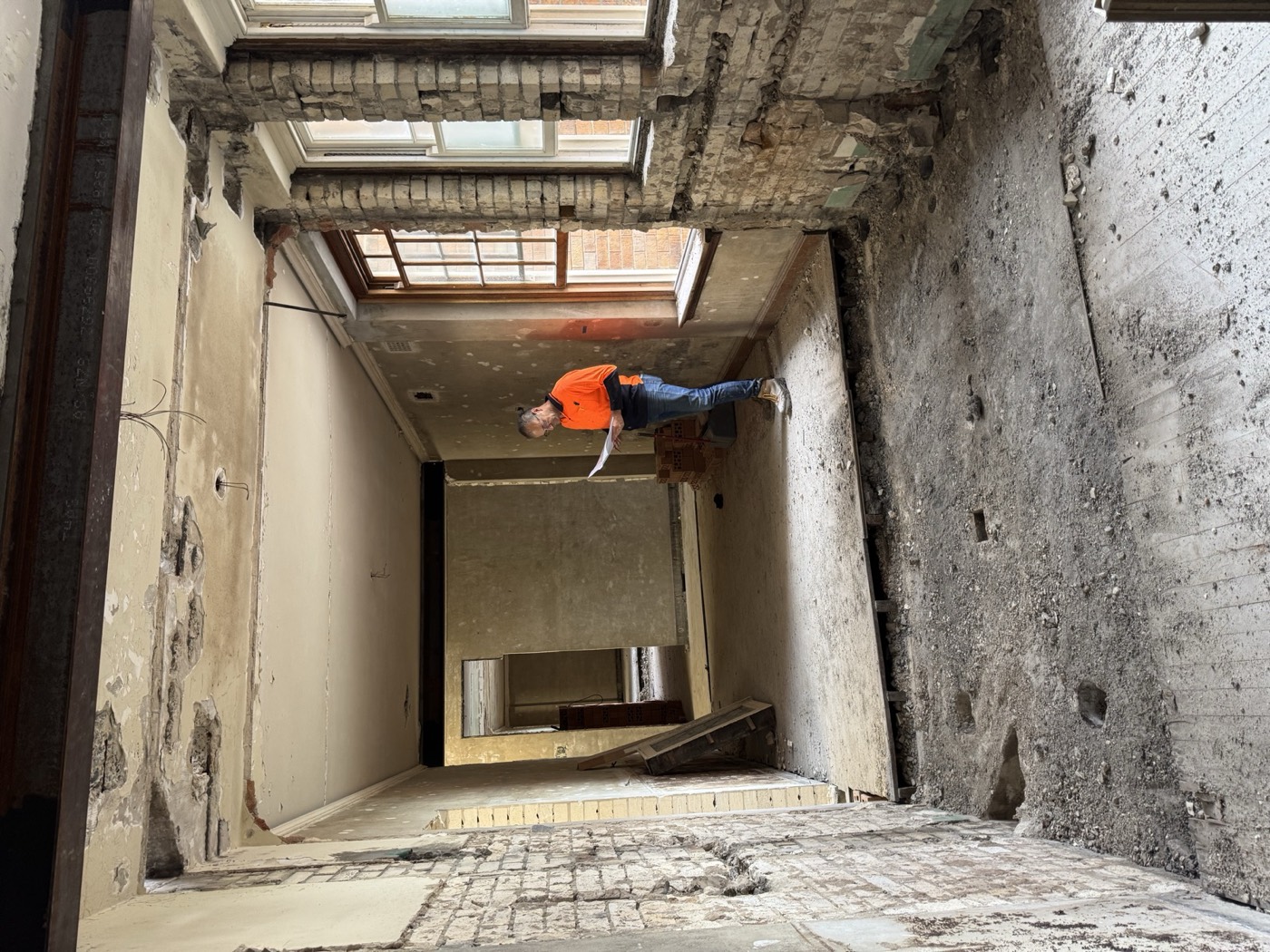
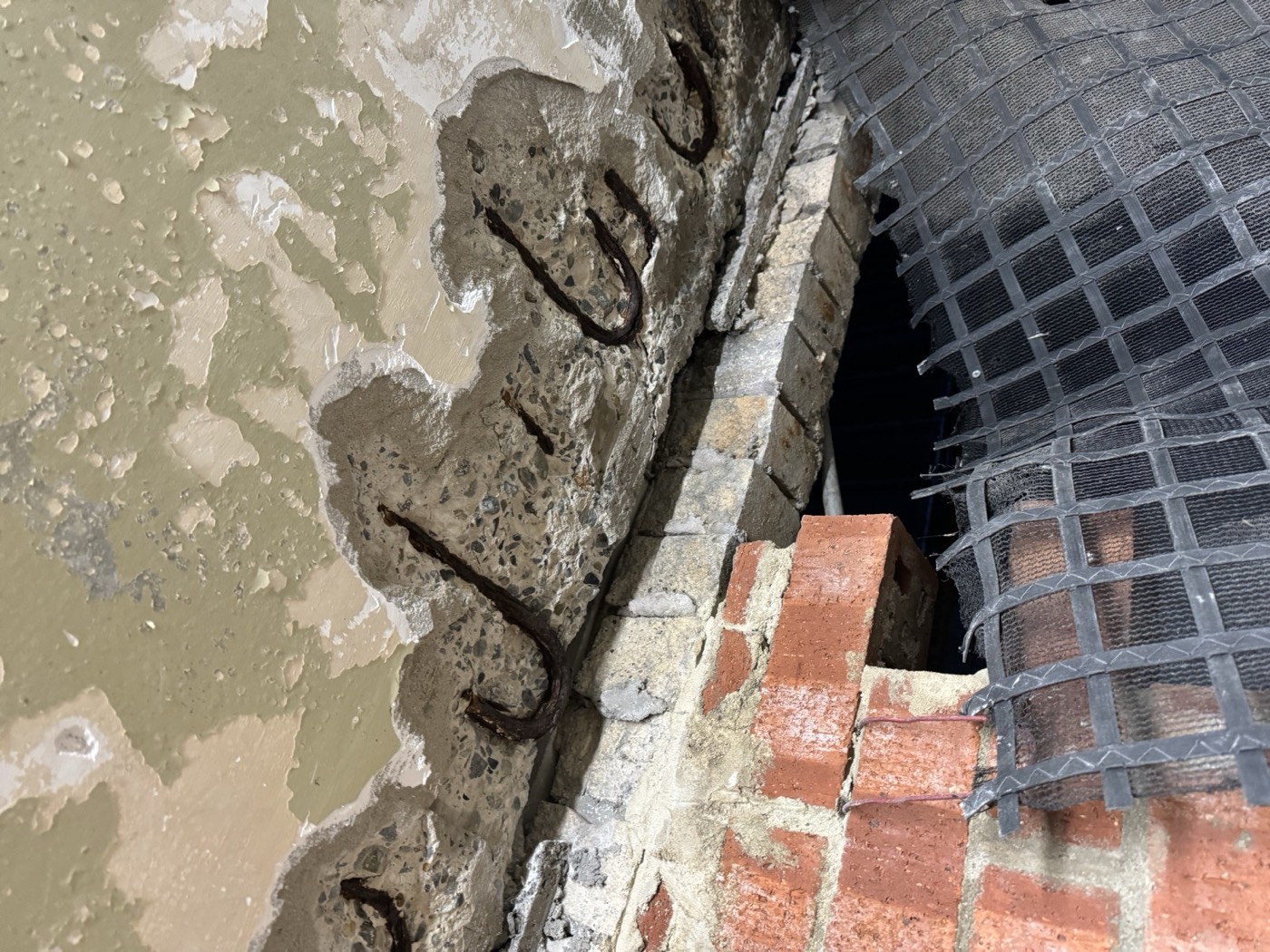
By the time you see cracks and rust stains, damage has been building for years. Testing tells the owners corporation how close the rest of the balconies are to the same problem, so repairs can be planned instead of rushed.
Common tests
| Test | What it shows |
|---|---|
| Cover meter | How deep the steel is below the surface |
| Carbonation depth | How far carbonation has moved into the concrete |
| Chloride content | Salt levels in the concrete, important near the coast |
| Half-cell potential | The likelihood of active corrosion in areas that still look fine |
| Tap testing | Hollow or delaminated concrete and render |
How results are used
- Thin cover plus deep carbonation means steel is at risk soon.
- High chlorides may mean wider repairs or specialist protection.
- Results help the engineer decide between patch repairs, coatings and other protection.
Who does the testing
Usually a remedial engineer or testing specialist, with the builder providing access and opening up. See remedial engineering explained.
Access and disruption
Most tests need small drill holes or cores, patched afterwards. Access to balconies and edges must be arranged.
How testing helps
Testing avoids paying for repairs that are not needed, and catches problems before concrete falls. It also makes budgets more accurate. See balcony surveys.
Concrete investigations and repairs
We provide access, opening up and repairs alongside your engineer. METCON is a licensed builder (384697C) and DBP registered (BUP4254812) for Class 2 work. Call 0415 840 500 or book a free inspection.
Frequently asked questions
How is concrete cancer tested?
With cover meters, carbonation and chloride tests, half-cell potential surveys and tap testing, depending on the building.
Why test concrete that looks fine?
Testing shows whether steel is at risk before damage is visible, so repairs can be planned.
Who does concrete testing on balconies?
Usually a remedial engineer or testing specialist, with the builder providing access.