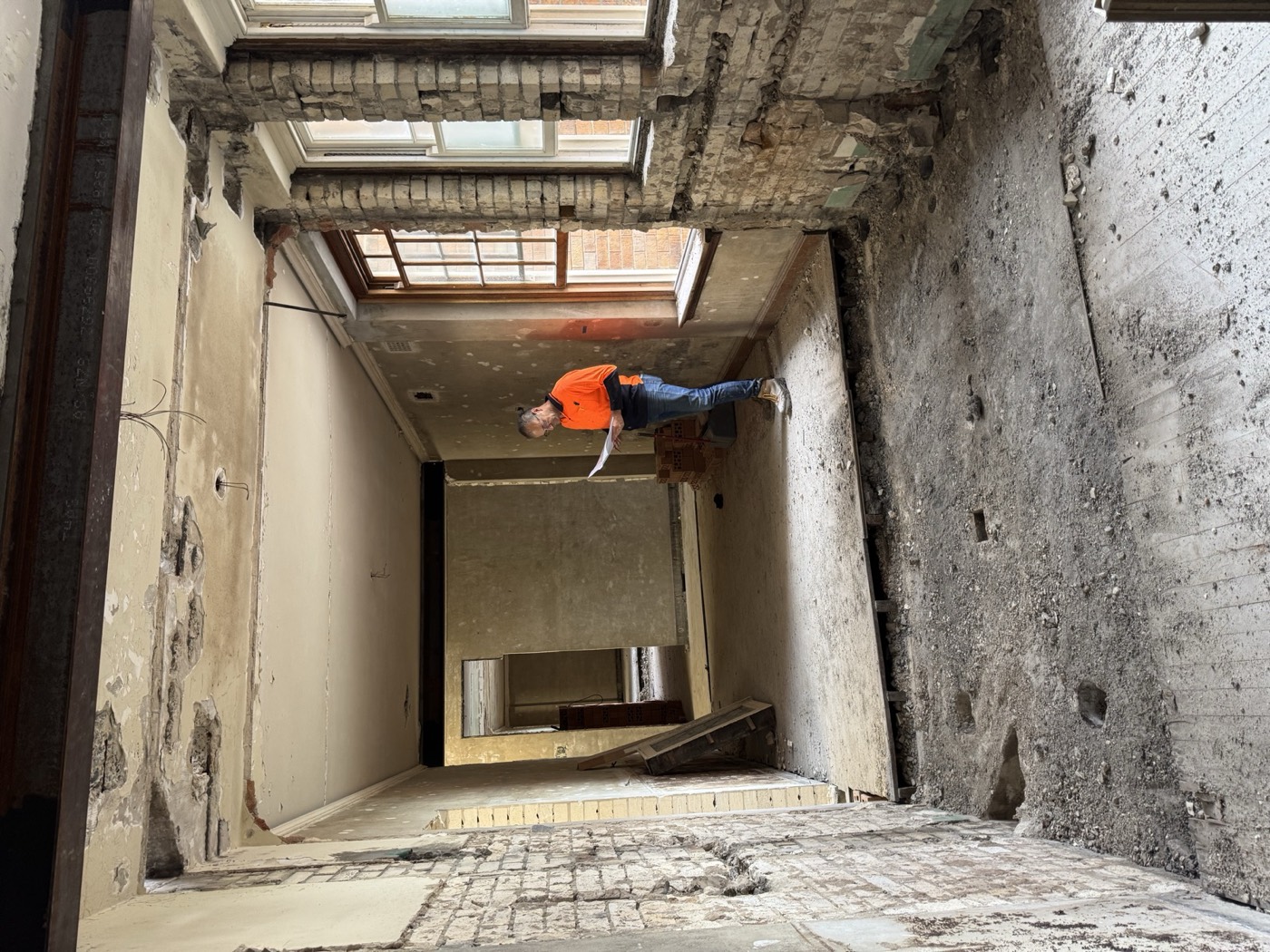
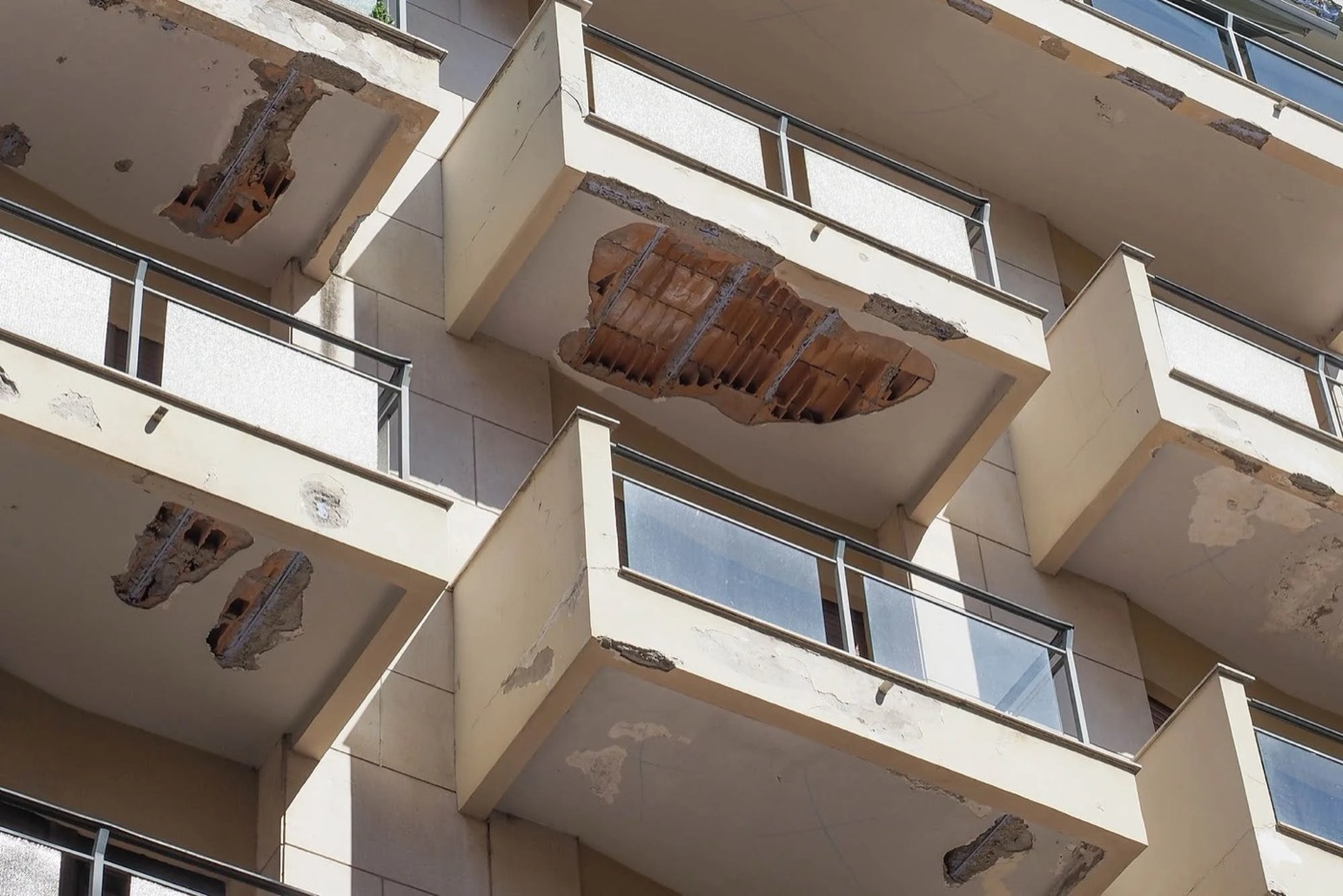
Concrete cancer happens when the steel inside concrete rusts and expands, cracking the concrete around it. Once it starts, it doesn't stop on its own. The good news is there are several proven treatments, and the right one depends on the cause, how far it has spread and the type of building.
Start with a diagnosis
Before choosing a treatment, find out why the steel is rusting. The two main causes are carbonation, where the concrete slowly loses its protection over time, and chlorides, mostly salt from sea air. See carbonation vs chloride and concrete testing.
The main treatment options
| Treatment | What it does | Best for |
|---|---|---|
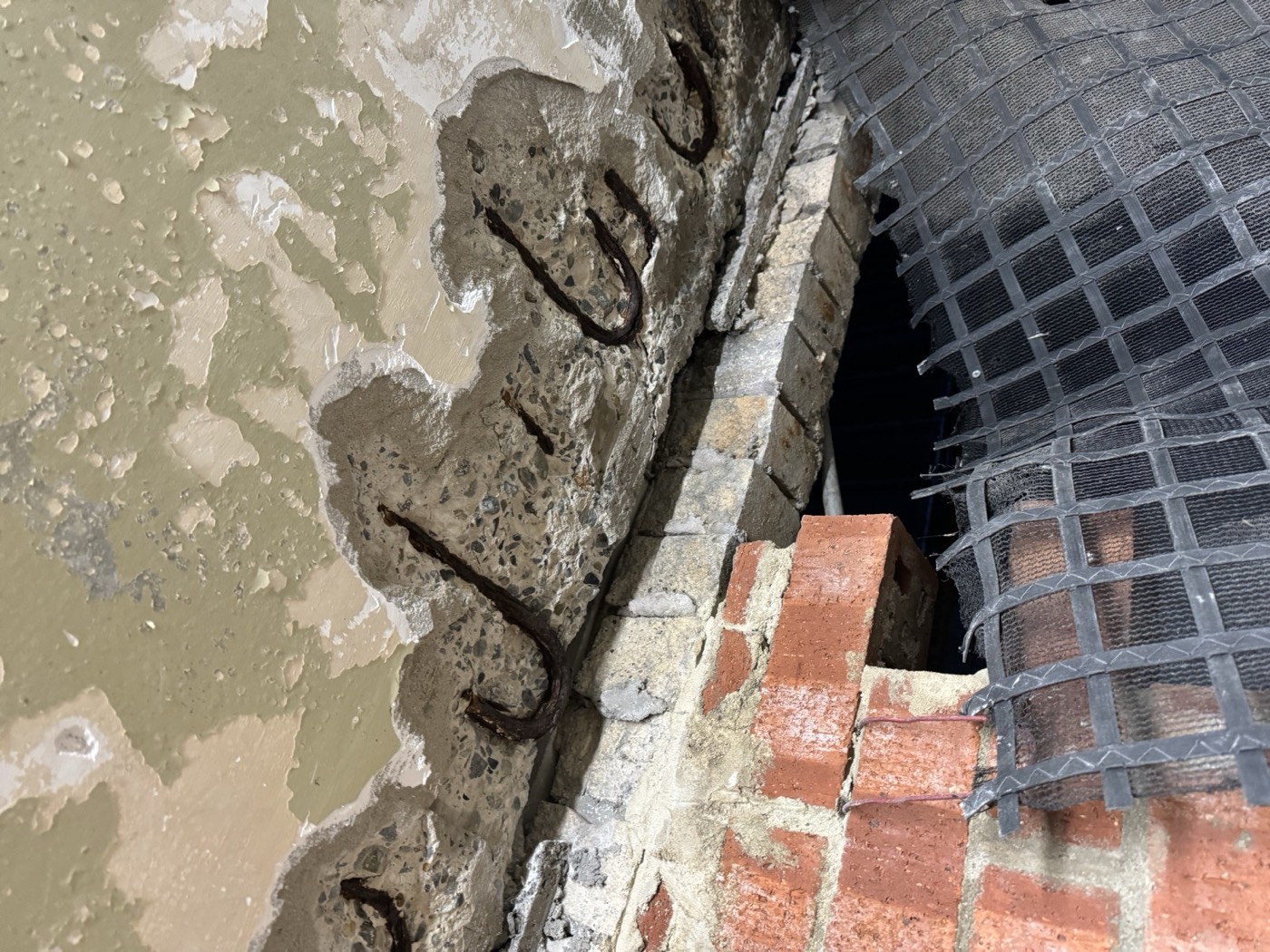
| Patch repair | Break out damaged concrete, treat or replace steel, rebuild with repair mortar | Most visible damage on balconies, edges, columns and soffits |
| Protective coatings | Slow carbonation and water entry after repair | Exposed concrete, especially after patch repairs |
| Corrosion inhibitors | Applied to or added near the steel to slow corrosion | Areas at risk that are not yet badly damaged |
| Cathodic protection | A specialist system that uses a small electrical current or sacrificial anodes to protect steel | Chloride-affected buildings, often near the coast, on specialist engineering advice |
| Recasting | Replacing whole sections of concrete | Severe damage where patching isn't enough |
Patch repair done properly
- Mark out all affected areas, including hollow concrete found by tapping.
- Break out behind the steel to sound concrete.
- Clean the steel back to bright metal, or add new bars to the engineer's design.
- Prime and rebuild with suitable repair mortar.
- Coat to protect the repair and the surrounding concrete.
See concrete patching.
Why repairs fail
- Not breaking out far enough, leaving rusting steel behind.
- Not fixing the water source, such as a leaking balcony above.
- Using the wrong repair materials.
- Patching only what is visible and missing the next areas to fail.
Fix the cause too
Most concrete cancer on balconies and car parks is fed by water. Re-waterproofing above the damage is often part of the treatment. See balcony remediation.
Apartment buildings
On Class 2 buildings, concrete cancer repairs are generally regulated under the DBP Act, so they need an engineer's design and a registered builder. See our Class 2 builder page.
How treatment helps your building
The right treatment stops falling concrete, protects the structure and avoids paying for the same repair again in a few years.
Concrete cancer treatment in Sydney
We repair concrete cancer to engineers' specifications on apartments, houses and commercial buildings. METCON is a licensed builder (384697C) and DBP registered (BUP4254812) for Class 2 work. Call 0415 840 500 or book a free inspection.
Frequently asked questions
What is the best treatment for concrete cancer?
For most visible damage, a proper patch repair with protective coatings, plus fixing the water source. Specialist options like cathodic protection suit some chloride-affected buildings.
Can concrete cancer be stopped?
Yes, with the right repair. Damaged concrete is removed, the steel treated and the area protected so corrosion does not continue.
Is cathodic protection worth it?
It can be for buildings with high chloride levels, often near the coast. It is a specialist system and should be designed by an engineer.