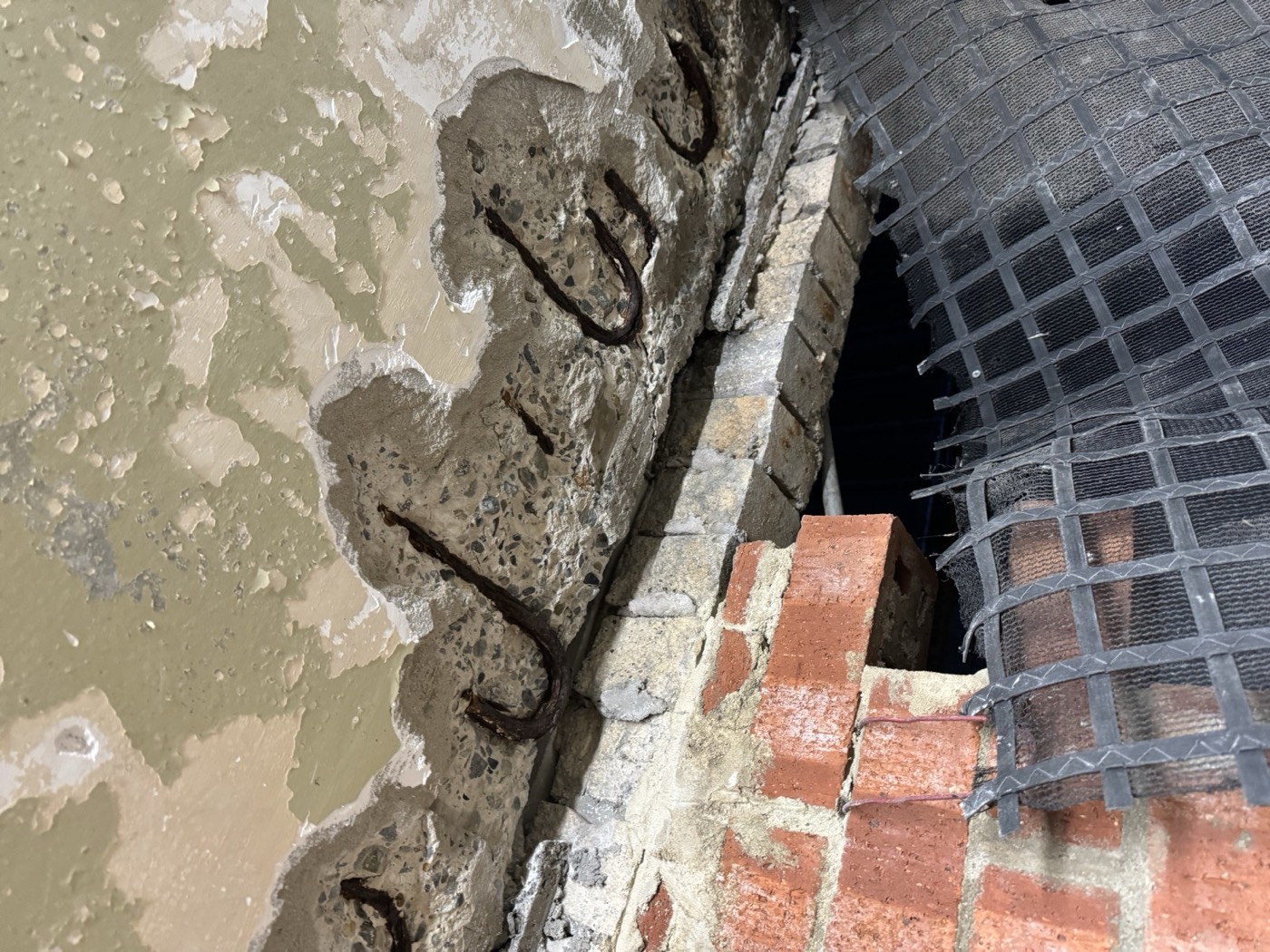
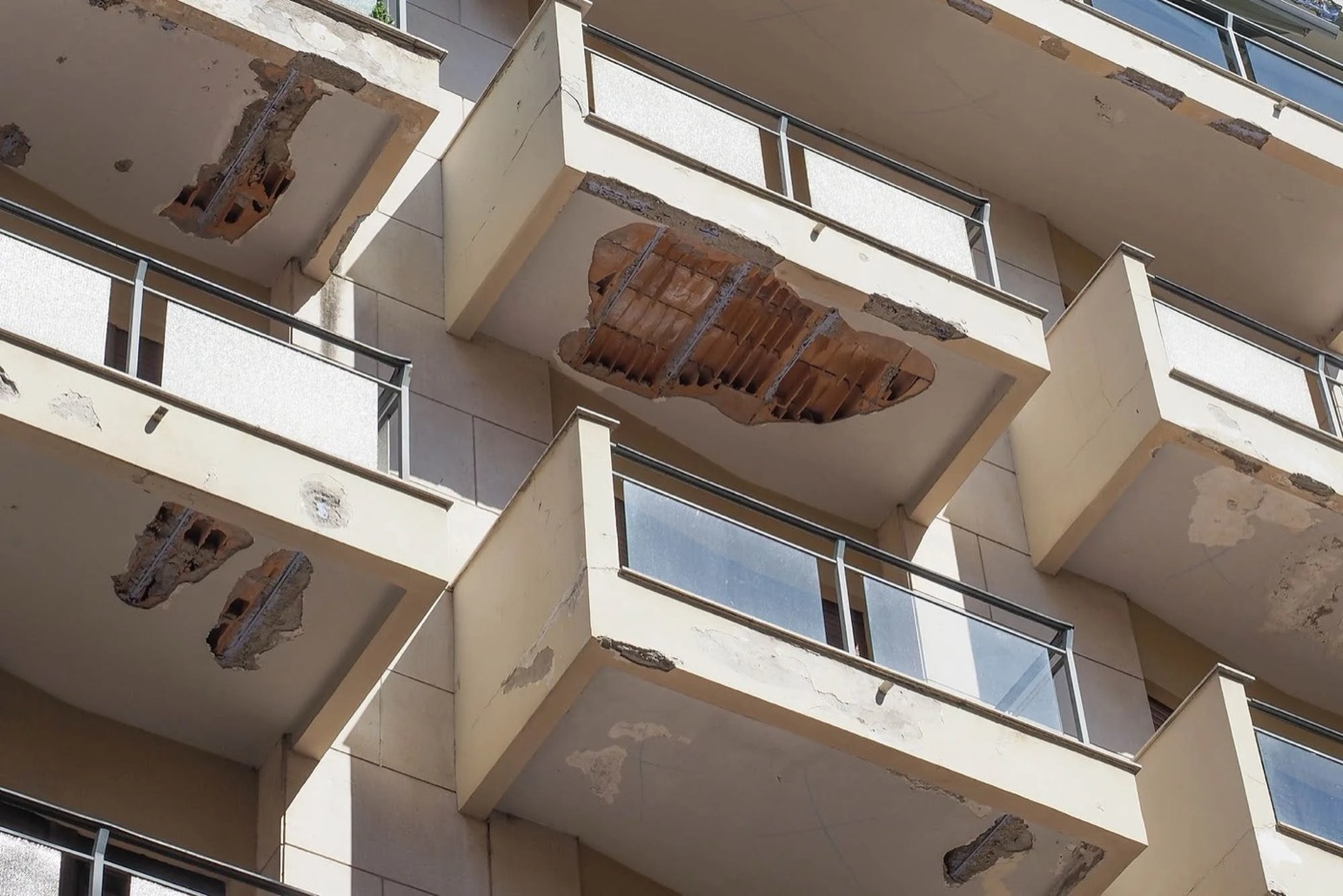
Owners corporations often ask the same question after paying for concrete cancer repairs: how long will this last? A well-designed, well-executed repair can last for decades. A poor one can crack again within a few years. The difference is in the details.
Why some repairs fail quickly
Not breaking out far enough
The concrete must be removed behind the reinforcement and along the bar until clean, uncorroded steel is reached. Stopping short leaves rust inside the repair, and it keeps expanding.
Poor steel preparation
Rust left on the bars, or bars with too much section loss that were not replaced or supplemented, will continue to fail.
Wrong repair materials
Ordinary sand and cement, or products not designed for structural concrete repair, can shrink, crack and debond.
The halo effect
Where concrete is contaminated with chlorides, steel just outside a fresh patch can start corroding faster than before. This is sometimes called the incipient anode or halo effect, and it is why new cracks often appear right next to old patches.
The water source was never fixed
If a leaking balcony membrane, failed planter or blocked drain keeps feeding water to the slab, new corrosion will start. See leaking balcony repairs.

What makes a repair last
- Investigation first: sounding, cover measurements and, where needed, chloride or carbonation testing so all affected areas are found.
- An engineer's specification for break-out limits, steel treatment and materials.
- Proper break-out behind the bars, with the edges cut square.
- Steel cleaned, replaced or supplemented as needed, and primed.
- Proven repair mortars applied and cured to the manufacturer's instructions.
- Galvanic anodes in the repairs where the engineer specifies them, to reduce the halo effect.
- Protective coatings over the repaired element to slow future carbonation and chloride entry.
- Fixing the water source: waterproofing, drainage and sealants.
- Documentation: photos of every repair before it is closed up.
Patch repairs versus bigger solutions
For widespread chloride contamination, repeated patching can become a cycle. Engineers may recommend larger break-out areas, recasting whole sections, or cathodic protection. These cost more upfront but can be better value over the life of the building.
Is concrete cancer covered by insurance?
Usually not. Building insurance generally excludes gradual deterioration, rust and wear. Sudden damage from an insured event may be covered, so check your policy and talk to your strata manager or broker.
Repairs that are built to last
We carry out concrete cancer repairs to engineer specifications, photograph every break-out and steel treatment, and fix the water source too. See also concrete cancer repair cost. See our concrete cancer repair service or call 0415 840 500.
Frequently asked questions
How long does a concrete cancer repair last?
A properly designed and executed repair, with the water source fixed and protective coatings, can last for decades. Poor repairs can fail within a few years.
Why do cracks appear next to old concrete repairs?
Often because of the halo effect, where steel next to a repair corrodes faster in chloride-contaminated concrete, or because the break-out did not go far enough.
Does insurance cover concrete cancer?
Usually not, because it is gradual deterioration. Check your building policy for any cover for sudden damage.