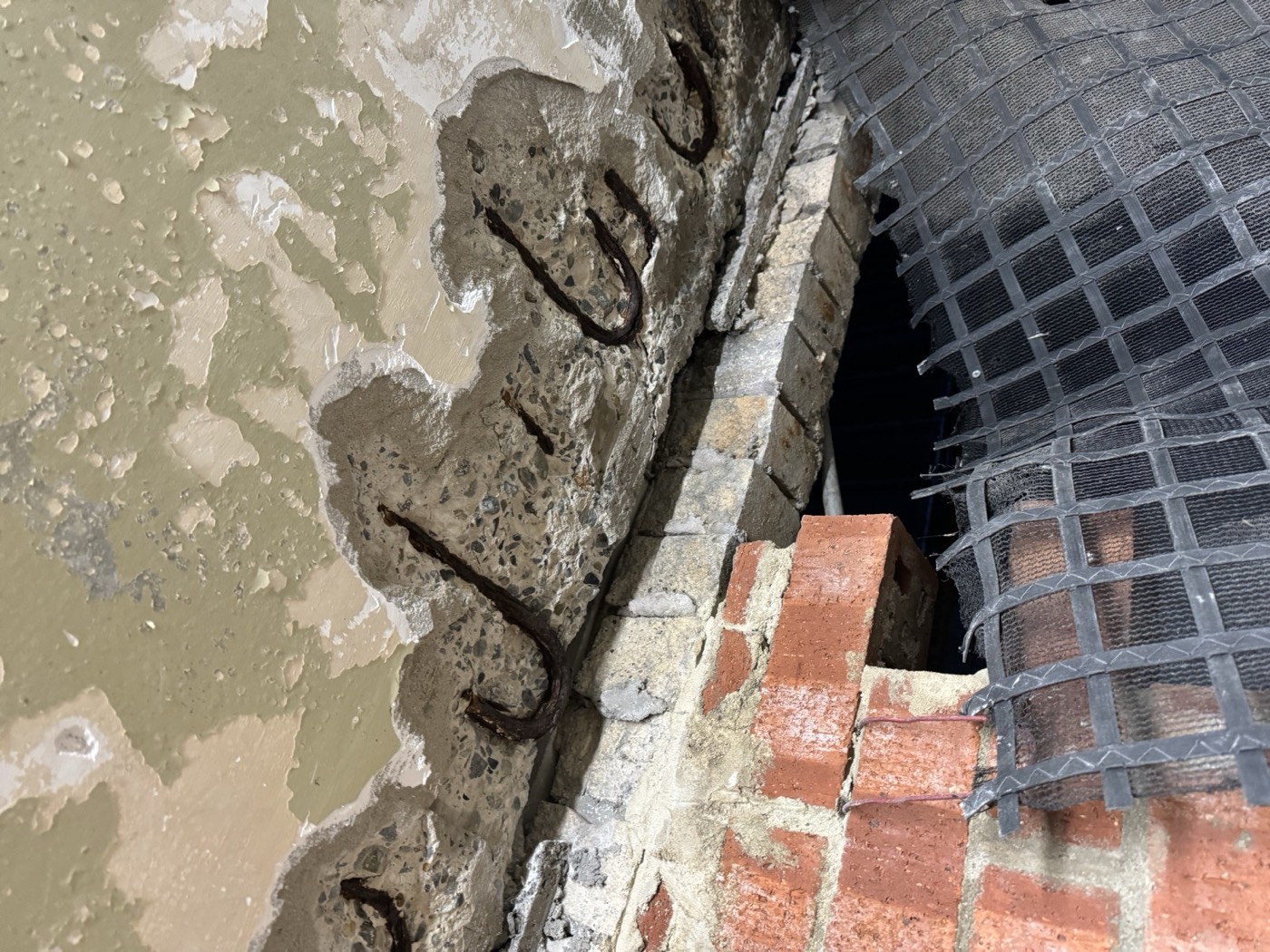
From Bondi and Coogee to Manly and Cronulla, Sydney's coastal apartment buildings share a problem: concrete cancer. Salt-laden air attacks reinforced concrete, and buildings close to the ocean or harbour often need repairs sooner and more often than inland buildings.
How salt air causes concrete cancer
Reinforcement in concrete is protected by the alkaline concrete around it. Chlorides from sea spray and salt air settle on the building, are washed into cracks and pores, and slowly travel through the concrete to the steel. Once enough chloride reaches the reinforcement, it breaks down the protective layer and the steel starts to rust. Rust expands, cracks the concrete and pushes it off. See the signs of concrete cancer.
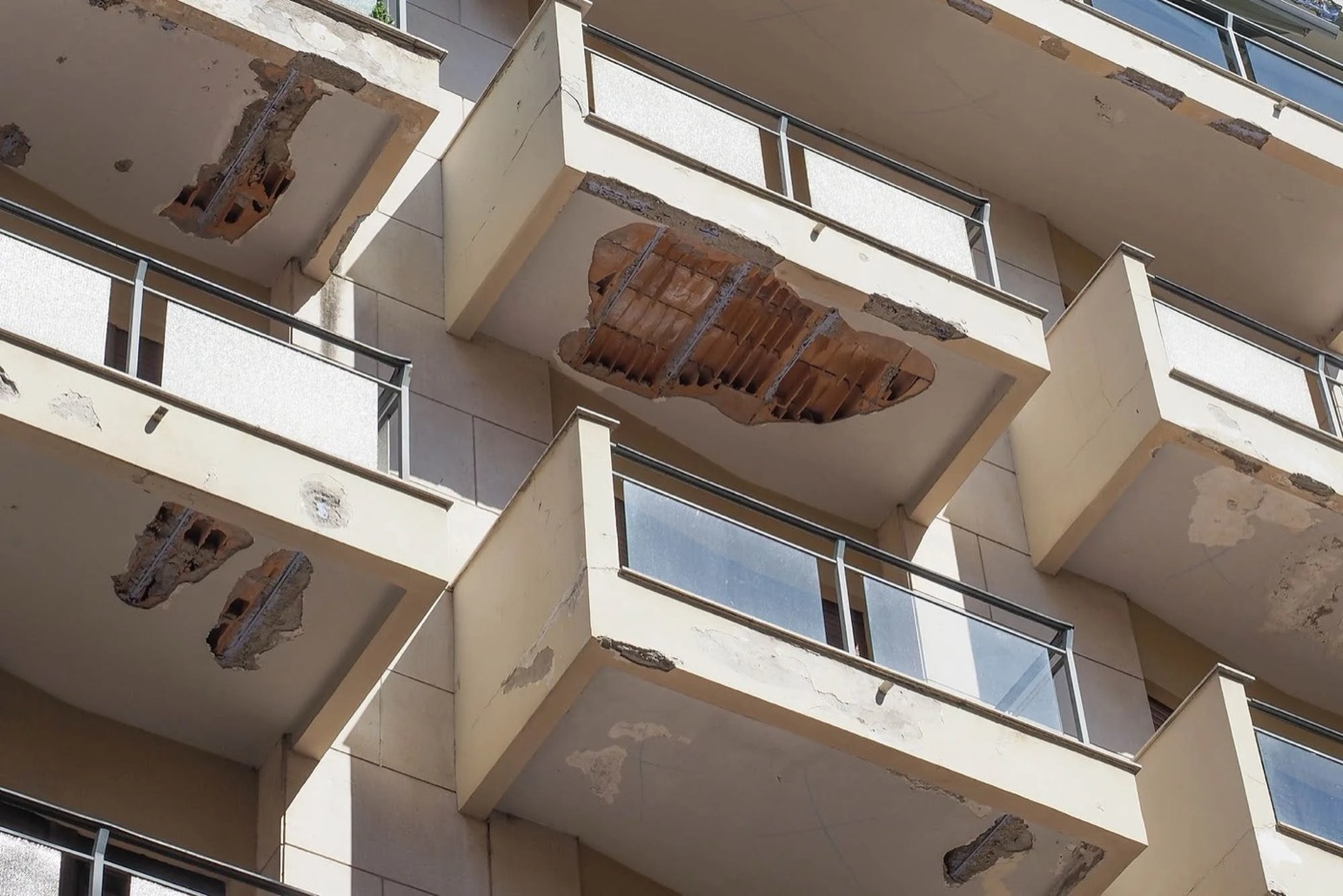
Why coastal buildings are hit harder
- Chloride exposure from wind-blown sea spray, worst on ocean-facing elevations.
- Thin concrete cover in many 1960s to 1980s buildings, so chlorides reach the steel quickly.
- Exposed elements like balcony slab edges, upstands, awnings and parapets.
- Wet and dry cycles that draw salts deeper into the concrete.
- Leaking balconies and planters that keep the slab wet. See leaking balcony repairs.
Where to look first
- Balcony slab edges and soffits facing the water.
- Balustrade post fixings.
- Window hoods, awnings and sunshades.
- Parapets and roof edges.
- Car park entries and ground-floor columns near the street.
How coastal concrete cancer is repaired
- Investigate: visual inspection, sounding for drummy concrete and, on larger projects, testing of cover depth and chloride levels.
- Break out damaged and contaminated concrete behind the corroded steel.
- Treat the steel: clean, replace bars with too much section loss, and prime.
- Rebuild with engineer-specified repair mortars.
- Manage the halo effect: in chloride-contaminated concrete, steel next to a patch can start corroding faster. Engineers may specify galvanic anodes in the repairs to reduce this. See how long concrete cancer repairs last.
- Protect: anti-carbonation or protective coatings, sealers and fixing the water source.
For badly affected buildings, an engineer may consider cathodic protection systems, which protect the reinforcement electrically across a whole element.
Protecting coastal buildings
- Inspect ocean-facing elevations regularly.
- Maintain balcony and façade coatings and sealants.
- Fix leaks quickly.
- Wash down exposed areas where practical to reduce salt build-up.
- Plan concrete repairs in the capital works fund.
Concrete cancer repairs near the coast
We repair concrete cancer on apartment buildings across Sydney's Eastern Suburbs, Lower North Shore, Northern Beaches and Sutherland Shire. See our concrete cancer repair service or call 0415 840 500.
Frequently asked questions
Why do beachside buildings get concrete cancer?
Chlorides from salt air and sea spray travel into the concrete and break down the protection around the steel reinforcement, which then rusts and cracks the concrete.
Can concrete cancer be prevented near the coast?
It can be slowed with adequate concrete cover, protective coatings, maintained waterproofing, fixing leaks early and regular inspections.
What is cathodic protection?
A system, specified by an engineer, that protects reinforcement from corrosion electrically. It is sometimes used on badly chloride-affected buildings.