The most common reason strata remedial projects go back to owners for more money is an unrealistic contingency. Remedial works are full of unknowns, and the budget needs to allow for them.
Why remedial works need more contingency
- You cannot see inside slabs, walls and membranes until you open them.
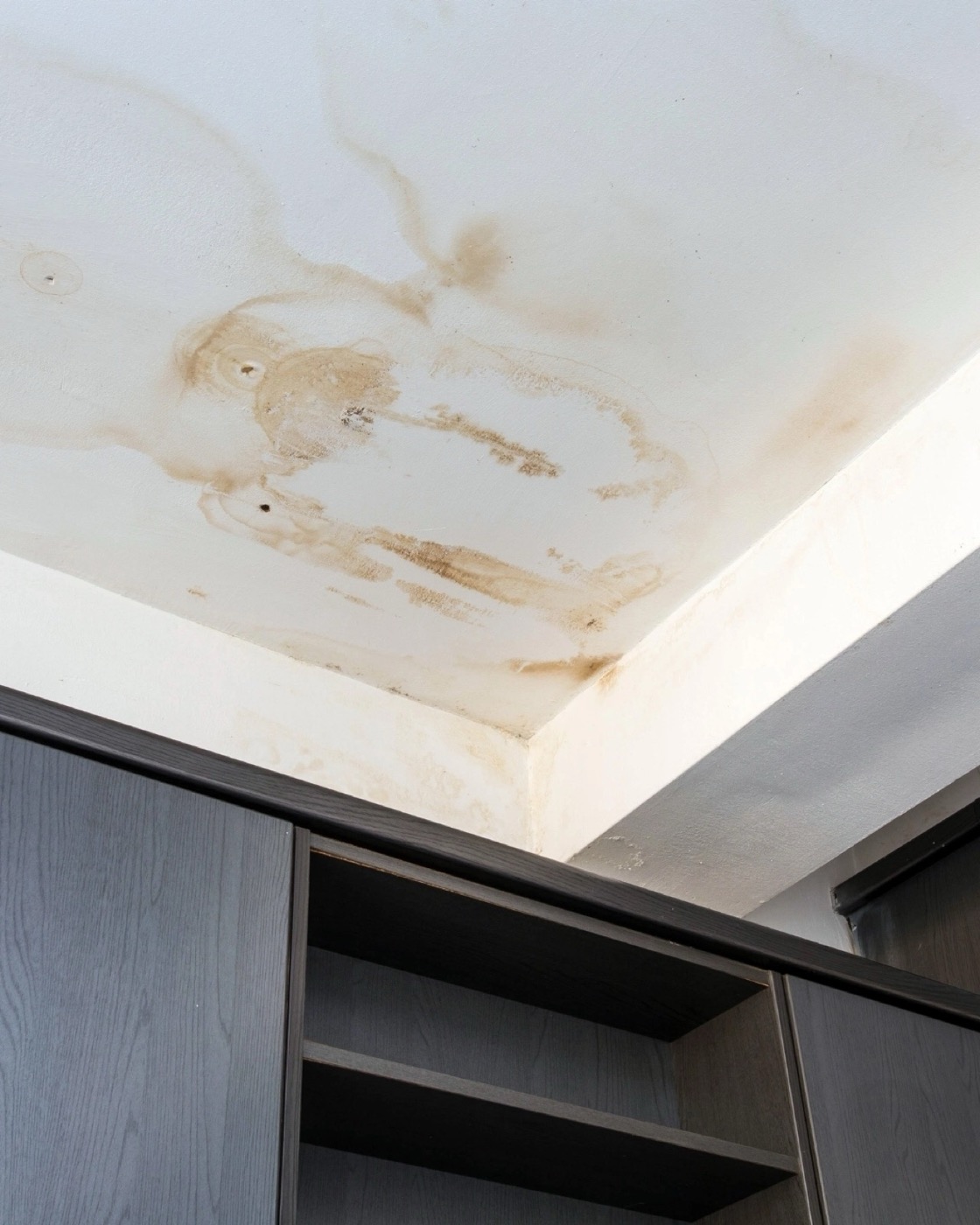
- Concrete cancer is usually more extensive than it looks.
- Old buildings hide old repairs, and sometimes hazardous materials.
- Access and staging can change once work starts.
How much?
There is no single right number. It depends on how much investigation has been done.
| Level of investigation | Uncertainty |
|---|---|
| Visual inspection only | High: allow a generous contingency |
| Engineer's report with testing | Medium |
| Opening up at sample locations | Lower |
| Measured schedule of rates | Lower, but quantities still vary |
Your engineer or project manager should recommend a contingency based on what is known. Many remedial budgets carry a noticeably larger contingency than new building work.
Reduce uncertainty early
Money spent on investigation before tender is usually well spent. Concrete testing, sample break-outs and flood tests turn guesses into known quantities. See concrete testing.
Approving the contingency
Approve the contract sum and the contingency together at the general meeting, and say how the contingency can be spent. That avoids a second meeting for every surprise. See AGM motions.
Reporting to owners
- Contingency used and remaining, each month.
- What each draw was for, with photos.
- Forecast to completion.
What if contingency is not used?
It stays in the fund. Money that is levied but not spent can stay in the capital works fund for future work, depending on the resolutions passed.
Realistic remedial budgets
We help committees understand where the unknowns are before work starts. METCON is a licensed builder (384697C) and DBP registered (BUP4254812) for Class 2 apartment buildings. Call 0415 840 500 or book a free inspection.
Frequently asked questions
Is contingency the same as a provisional sum?
No. A provisional sum is in the builder's contract for known but unpriced work. Contingency is the owners' allowance for unknowns.
Should the builder see the contingency?
Many committees keep it separate from the contract so it is only drawn on for approved variations.
What happens if we run out of contingency?
The committee may need approval for more funds. Good reporting gives early warning.