A heritage facade may combine sandstone, brick, render, steel, timber and several generations of repairs. A product that suits one part may harm another.
Record before changing
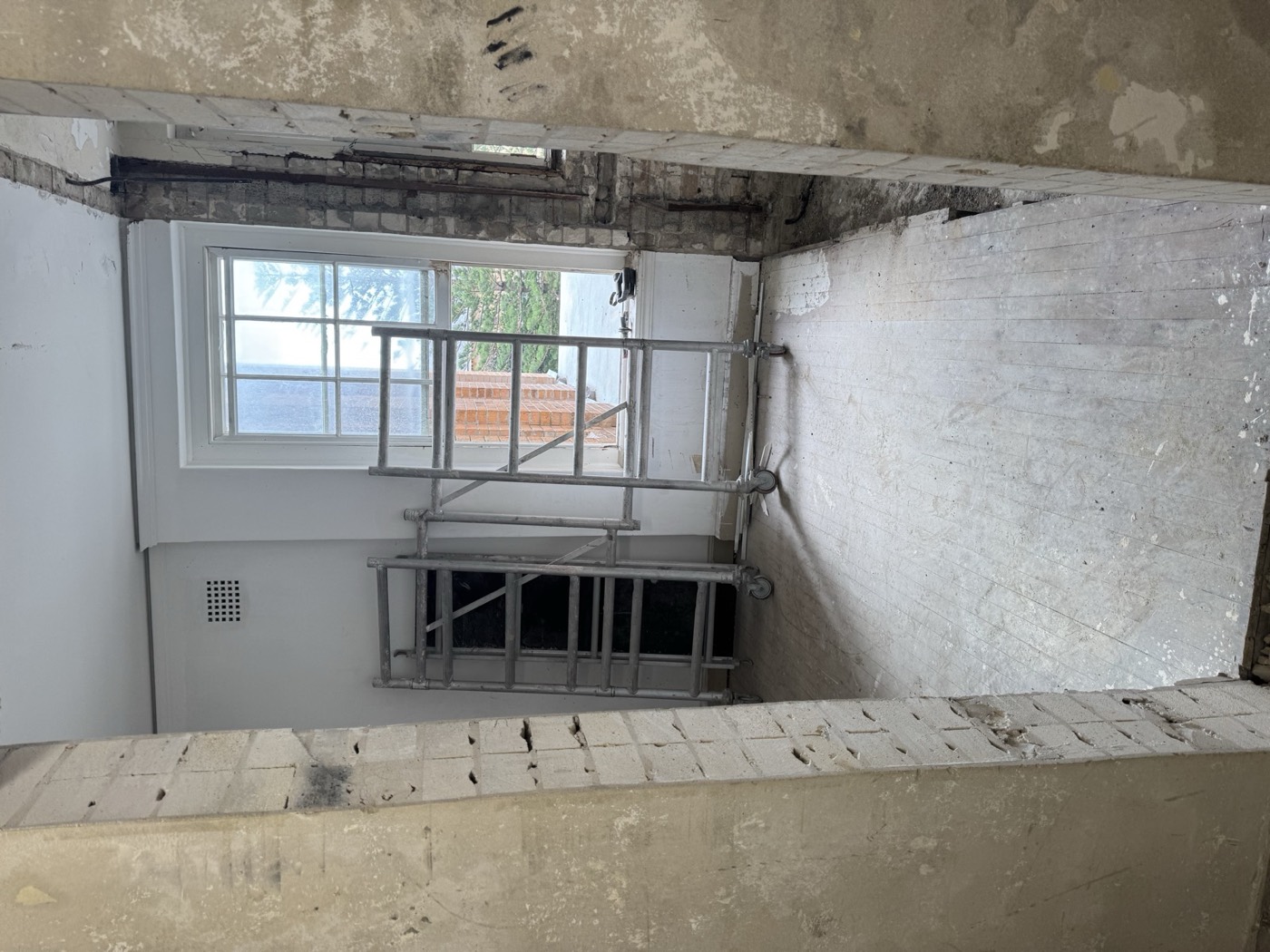
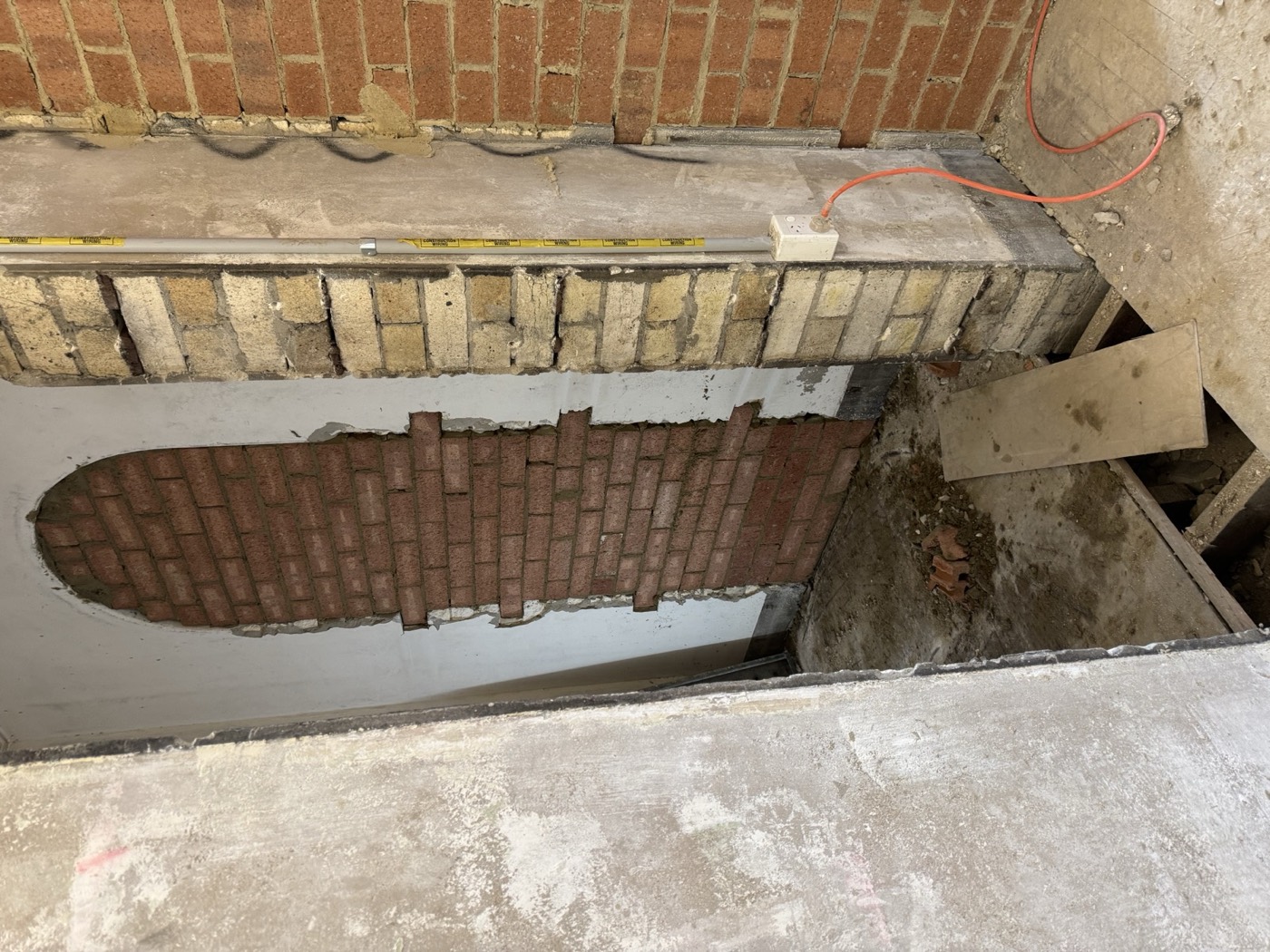
Map materials, defects, previous patches and original joints. Photograph hidden details when opened. Ask which parts are significant and which may be later additions.
Find the moisture source
Failed flashings, gutters and parapets are often behind stained or crumbling faces. Cleaning first can make the wall look better while water keeps moving behind it.
Trial work
Agree small samples for cleaning, stone, mortar and paint. View them dry and wet, from the footpath as well as close up. Record the method that produced the approved sample.
Keep the doors open
- Protect signs, lighting and entries.
- Keep exits and deliveries clear.
- Schedule dusty work around trading where possible.
- Give tenants drawings showing access changes.
Structural items cannot wait
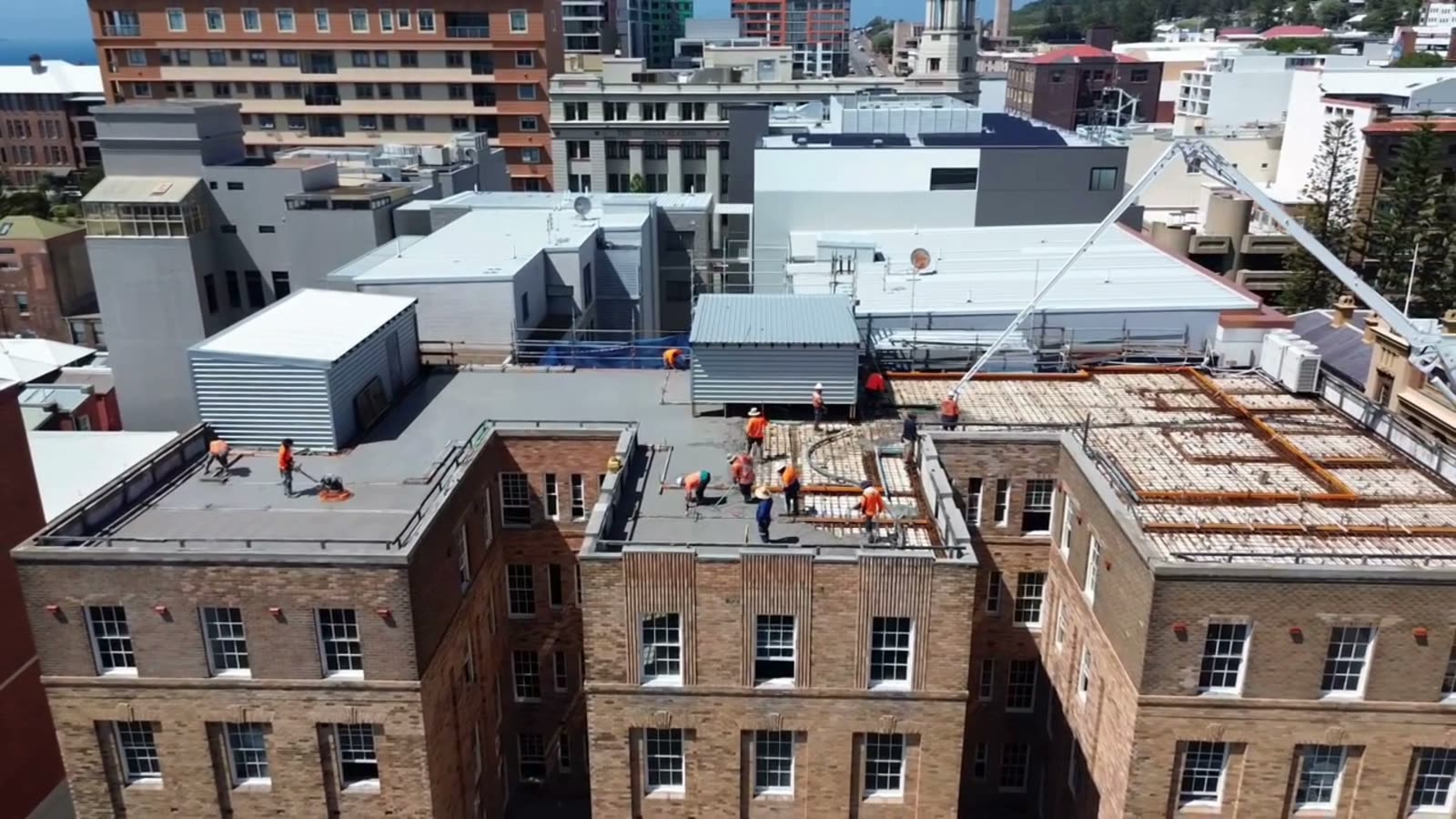
Corroded lintels, loose stones and unstable parapets need engineering and safe access before cosmetic work. Temporary fixings must also respect significant fabric.
Maintenance is part of restoration
Provide a roof and gutter inspection plan, paint records and guidance on future mortar. The next contractor needs to know what was used.
See heritage restoration, sandstone repairs and street awnings.
Call 0415 840 500 or book an inspection. METCON is a licensed NSW builder (384697C) and DBP registered (BUP4254812).
Frequently asked questions
Can heritage work use modern mortar?
Only if it is compatible and approved. A hard mortar can damage softer masonry.
Can shops keep trading?
Often, with staging and protected entries.
Does all staining need removal?
No. Over-cleaning can remove original surface and character.