Many older shop-top buildings and pubs have awnings hanging over the footpath, including across Crows Nest, Surry Hills and Glebe. They look simple, but they sit over people walking below, and much of their structure is hidden. Owners should treat them as a safety item, not just a roof over the footpath.
How awnings are held up
- Cantilevered: steel beams stick out from the building, often built into masonry walls or slabs.
- Suspended: tie rods hang the awning from brackets on the wall above.
- Posted verandah: posts sit near the kerb and are usually heritage-style timber or cast iron.
Why they fail
- Water: roof sheets, gutters and flashings leak, keeping steel wet.
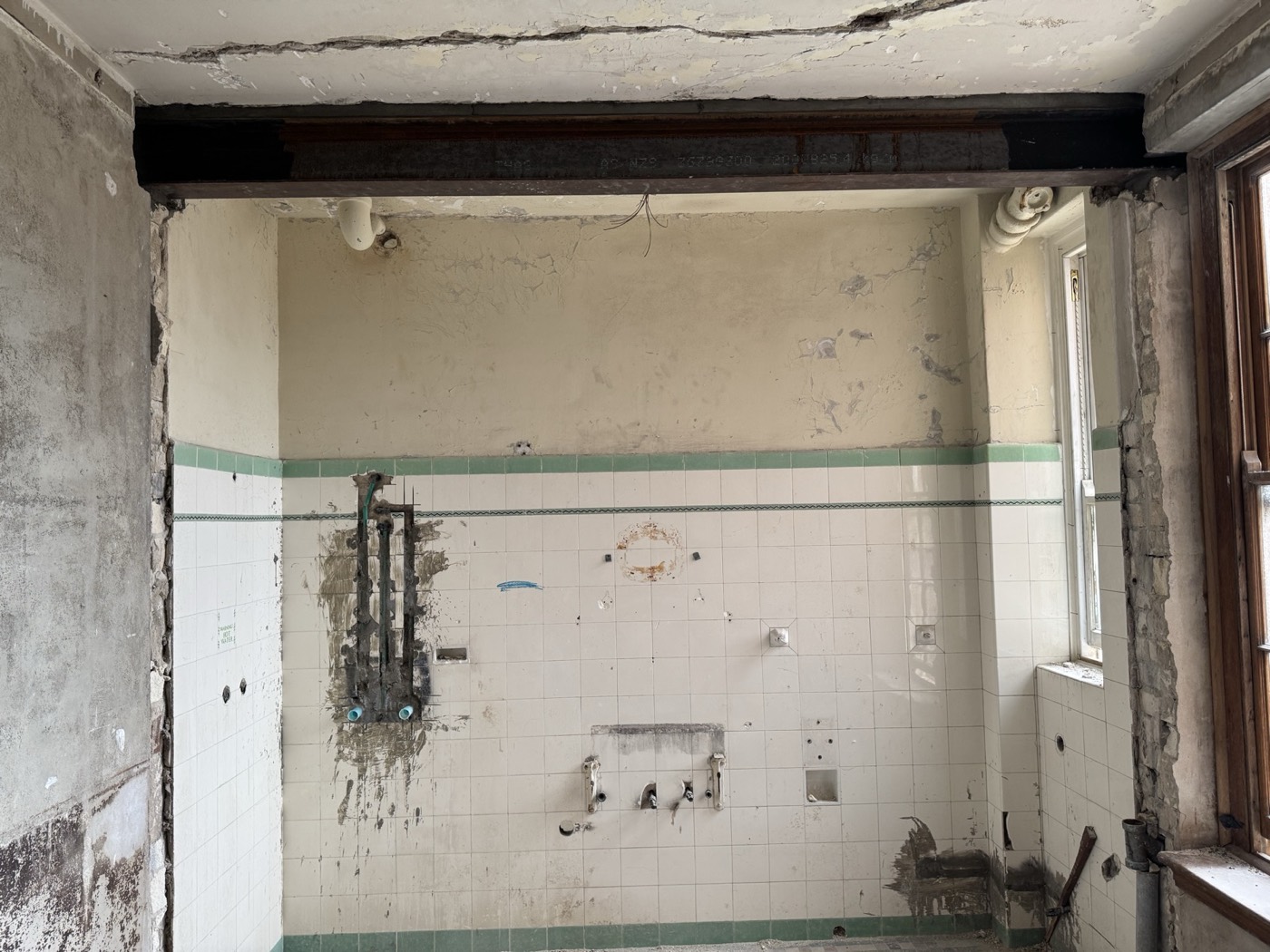
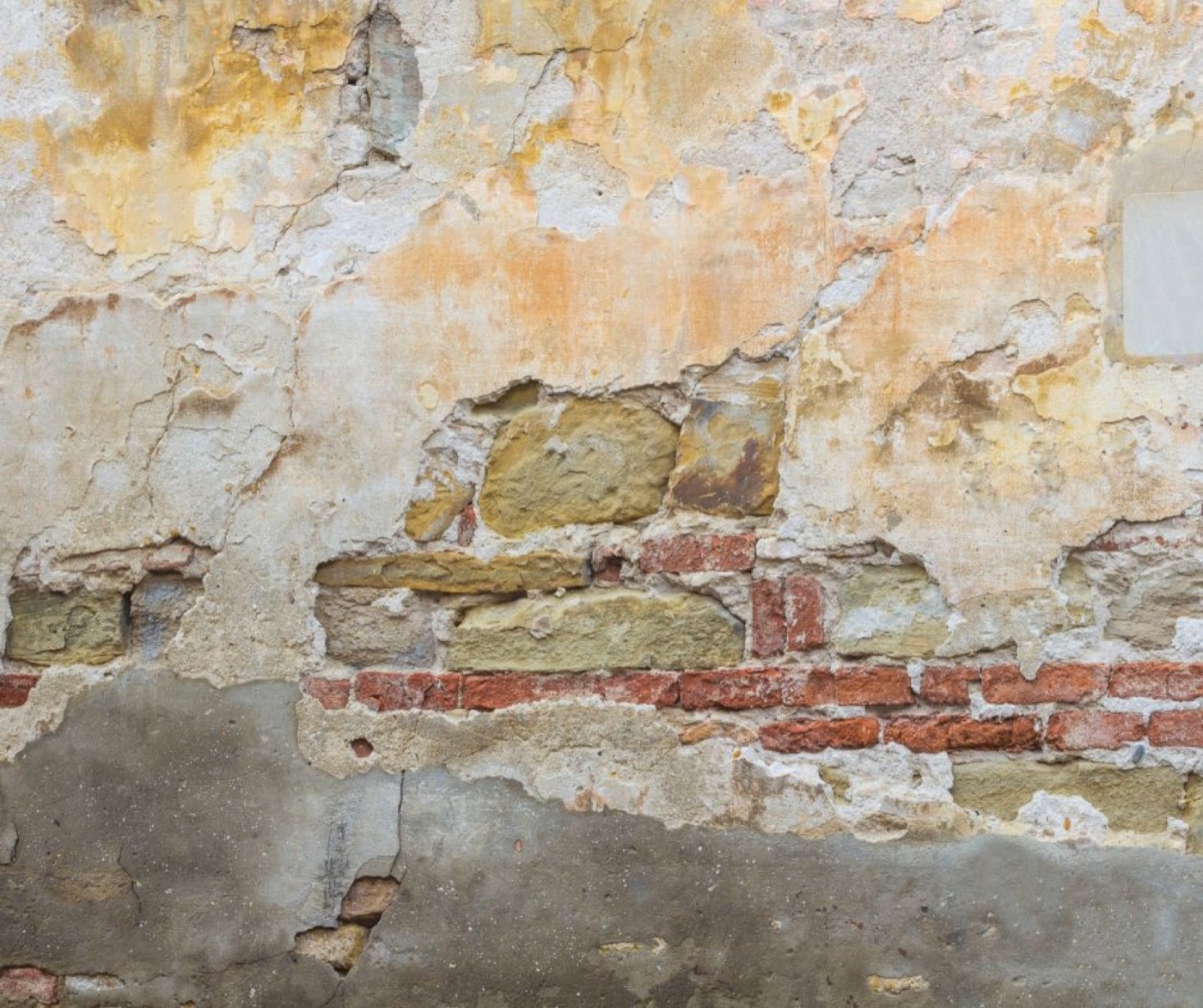
- Hidden corrosion: rust often begins where beams enter the wall, out of sight.
- Tie rod and bracket wear: corroded rods, connections and fixings.
- Added load: signs, air conditioners and heavy linings added later.
- Impact: trucks can hit posts and awning edges.
Warning signs
- Sagging, or an awning that slopes differently to its neighbour.
- Rust stains or bubbling paint on fascias and soffits.
- Cracked brickwork or render where beams or brackets meet the wall.
- Stained or falling soffit linings. Note that older linings may contain asbestos.
- Water pouring off the awning in the rain.
What to do if you are worried
- If it looks dangerous, keep people clear and contact the council and a builder urgently.
- Arrange an inspection with an engineer, including opening up soffits.
- Check whether older linings contain asbestos before they are disturbed.
- Scope repairs, with engineering details where structure is involved.
Permits and heritage
Working over a footpath generally requires council approval for hoardings or road occupancy, and some councils have specific requirements for awnings. See scaffold and hoarding permits. On heritage buildings and pubs, repairs should match original detail. See heritage pubs and hotels.
How repairs help
Repairing an awning protects people, reduces liability and protects the building where the awning connects to it. A sound, clean awning also helps shops trade and lifts the look of the whole street.
Awning repairs
We inspect and repair street awnings, working with engineers and planning for access, trade and the footpath. Call 0415 840 500 or book a free inspection.
Frequently asked questions
Who is responsible for a street awning?
Usually the building owner, even when it hangs over a public footpath. Check with council or get advice for your site.
How long do street awnings last?
It depends on materials and maintenance. Older awnings can have hidden corrosion, so regular inspection matters more than age alone.
Do awning repairs need council approval?
Often. Work over a footpath generally needs a council permit, and heritage or larger structural work may need further approval.