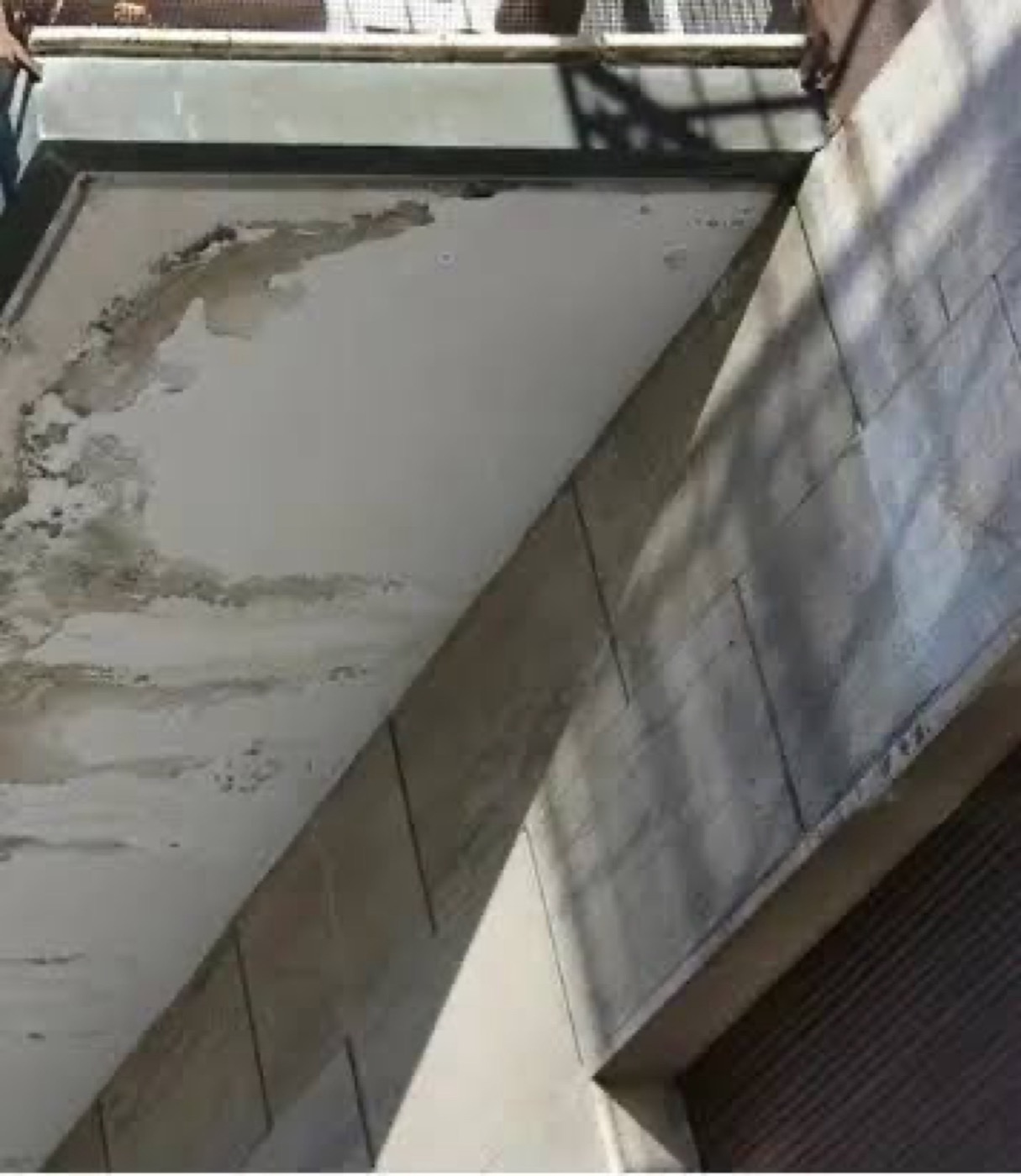
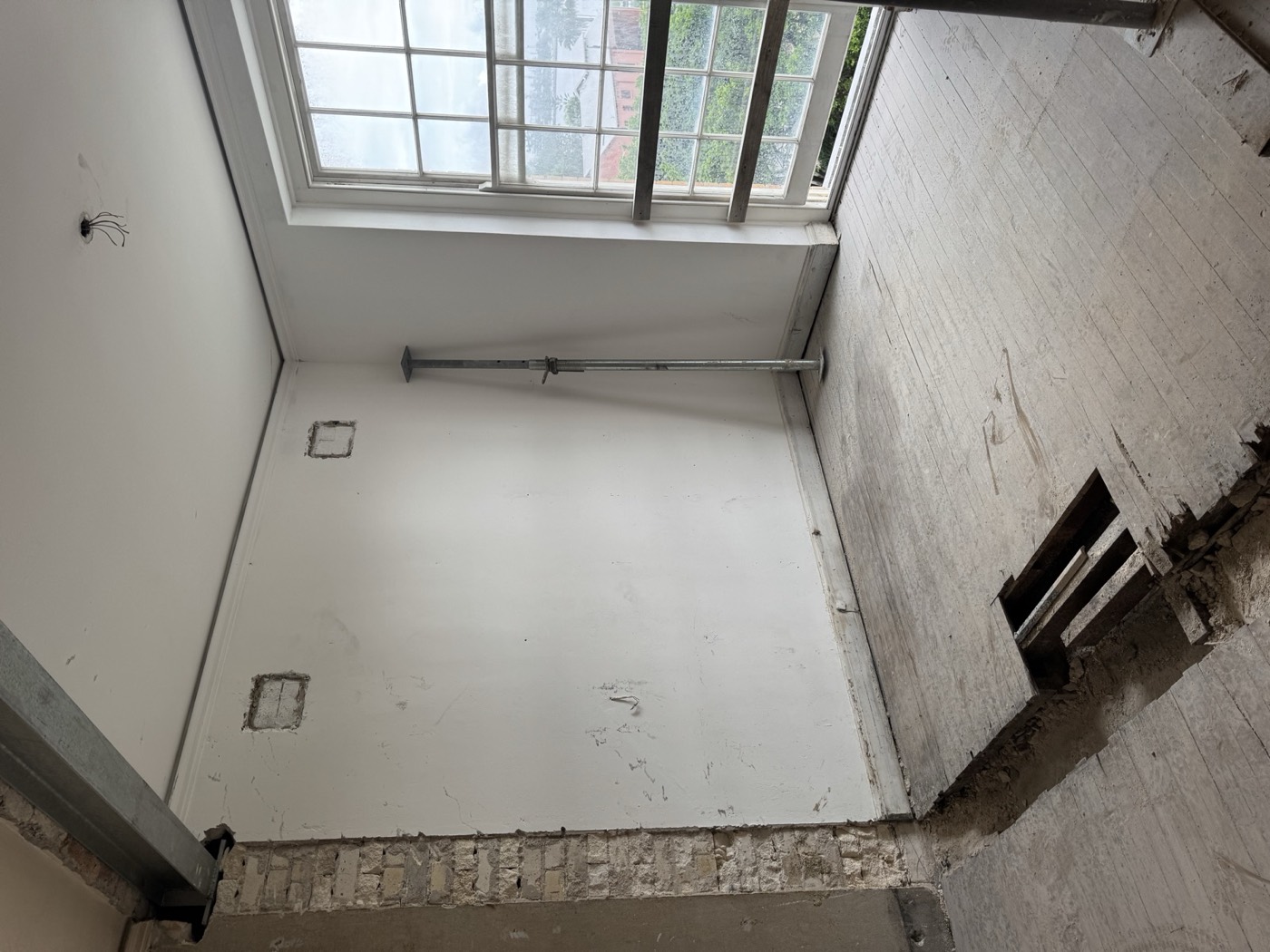
On a tight street in the city, Pyrmont or North Sydney, the footpath, road and neighbouring property often have to be used to get remedial work done. That can require council approvals, and those approvals take time. Allowing for them early can keep a project on track.
This is a general guide. Requirements vary between councils and sites, so check with the council or your builder for your project.
When you may need a permit
- Scaffold or hoarding on or over a footpath or road.
- Cranes, concrete pumps or lifts standing on a footpath or road.
- Closing a footpath or lane, or taking up parking spaces.
- A work zone for deliveries and loading.
- Traffic control or pedestrian diversions.
Under the Roads Act 1993, work on a public road, which includes the footpath, generally needs approval from the roads authority. For most local streets that is the council.
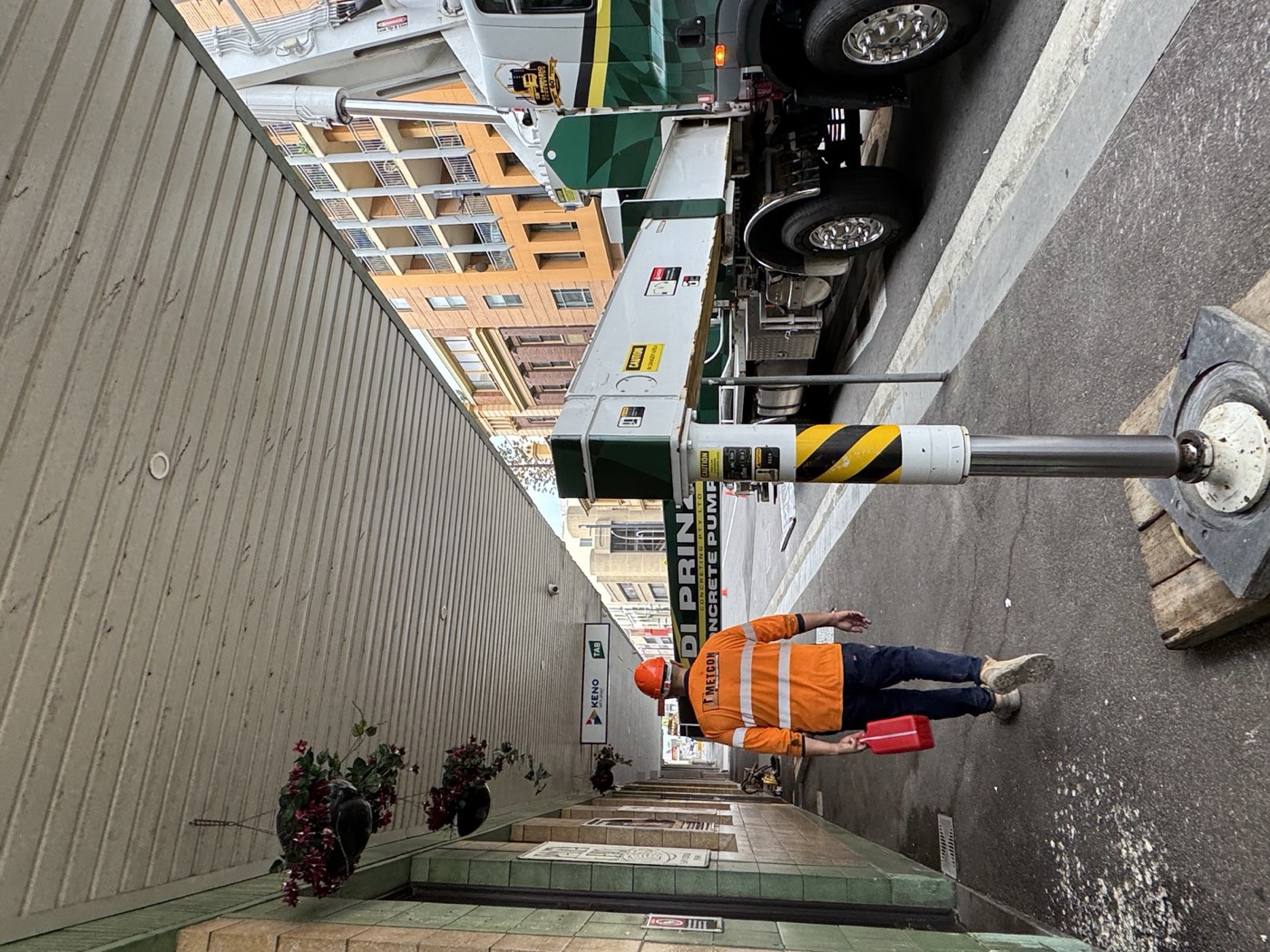
What councils often ask for
- An application and fees, often based on area and time.
- Scaffold or hoarding drawings, sometimes certified by an engineer.
- A traffic or pedestrian management plan.
- Public liability insurance, often for a set minimum.
- Photos of the footpath beforehand, and a bond in some cases.
Types of protection
- Fence-type hoarding: keeps the public away from a work area.
- Overhead protection: keeps the footpath open, with a deck to protect pedestrians from falling objects.
- Scaffold with containment: mesh, sheeting and catch decks to contain dust and debris.
Planning tips
- Start early. Approvals can take weeks, so include them in the program.
- Talk to neighbours and shops. Businesses will want signs, visibility and access.
- Allow for extensions. If the job runs longer, permits may need renewing and fees can increase.
- Get it in the quote. Permit fees and traffic control are real costs. Check whether they are included. See comparing remedial quotes.
- Consider other options. Rope access or a swing stage can reduce street impact in some cases. See access options.
Using a neighbour's land
Scaffold or access may need to go over next door's property. It helps to talk early, and agree in writing. If you can't agree, legal options may exist, and you should seek advice. Dilapidation reports also help protect everyone.
How it helps your project
Good planning avoids costly delays, fines and stop-work problems. It keeps the public safe and helps keep the neighbours on side.
We look after this for you
We factor access and permits into our remedial projects, so you know the likely approach upfront. METCON is a licensed builder (384697C) and DBP registered (BUP4254812) for Class 2 work. Call 0415 840 500 or book a free inspection.
Frequently asked questions
Do I need a council permit for scaffold?
If it stands on or over a footpath or road, usually yes. Scaffold wholly inside your property may not need a road permit, but other rules can apply.
How long does a hoarding permit take?
It varies between councils and sites, and can be a matter of weeks. Allow time for it early in your program.
Who applies for the permit?
Usually the builder or scaffold contractor, with fees and responsibility agreed in the contract.