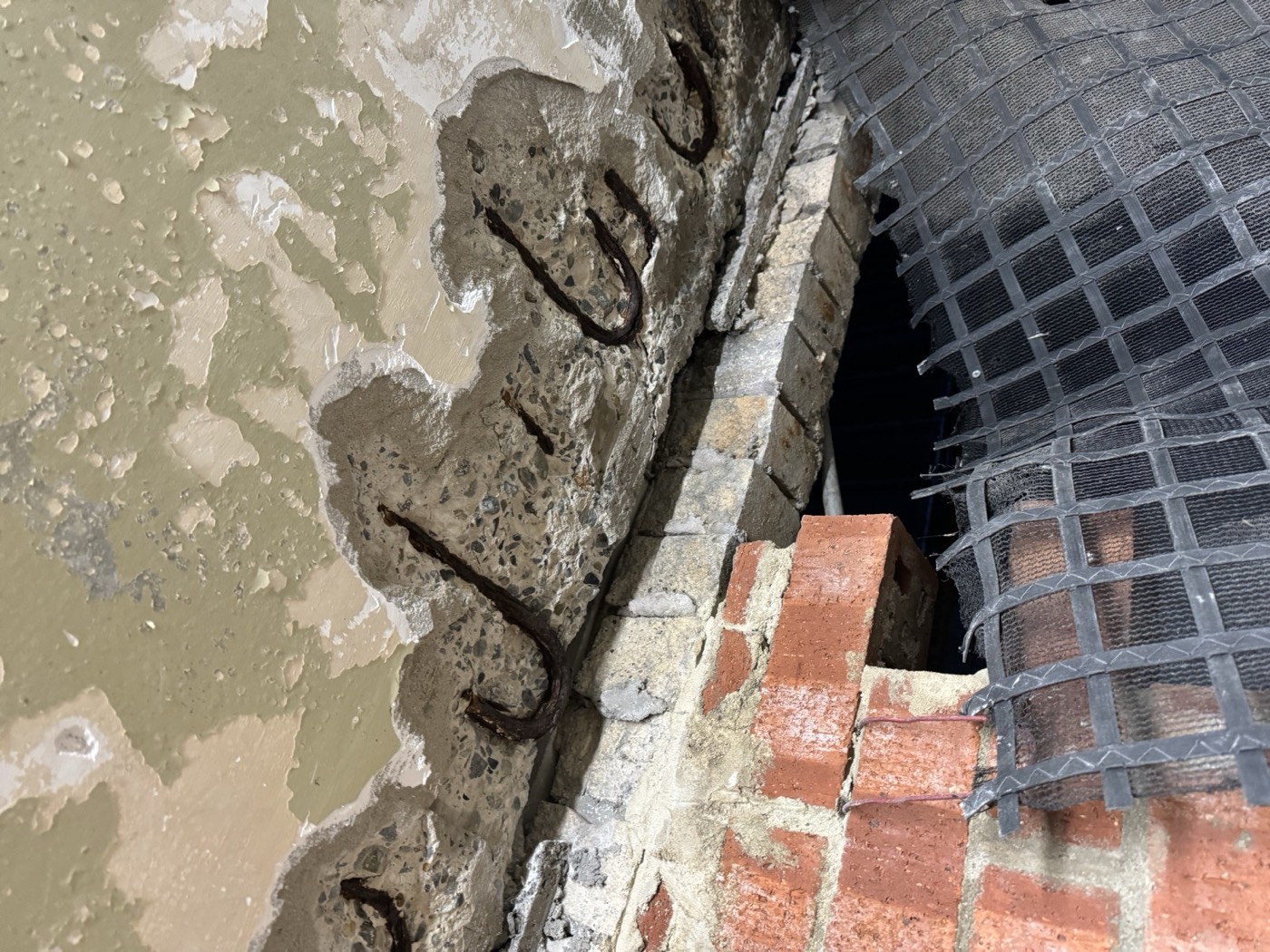
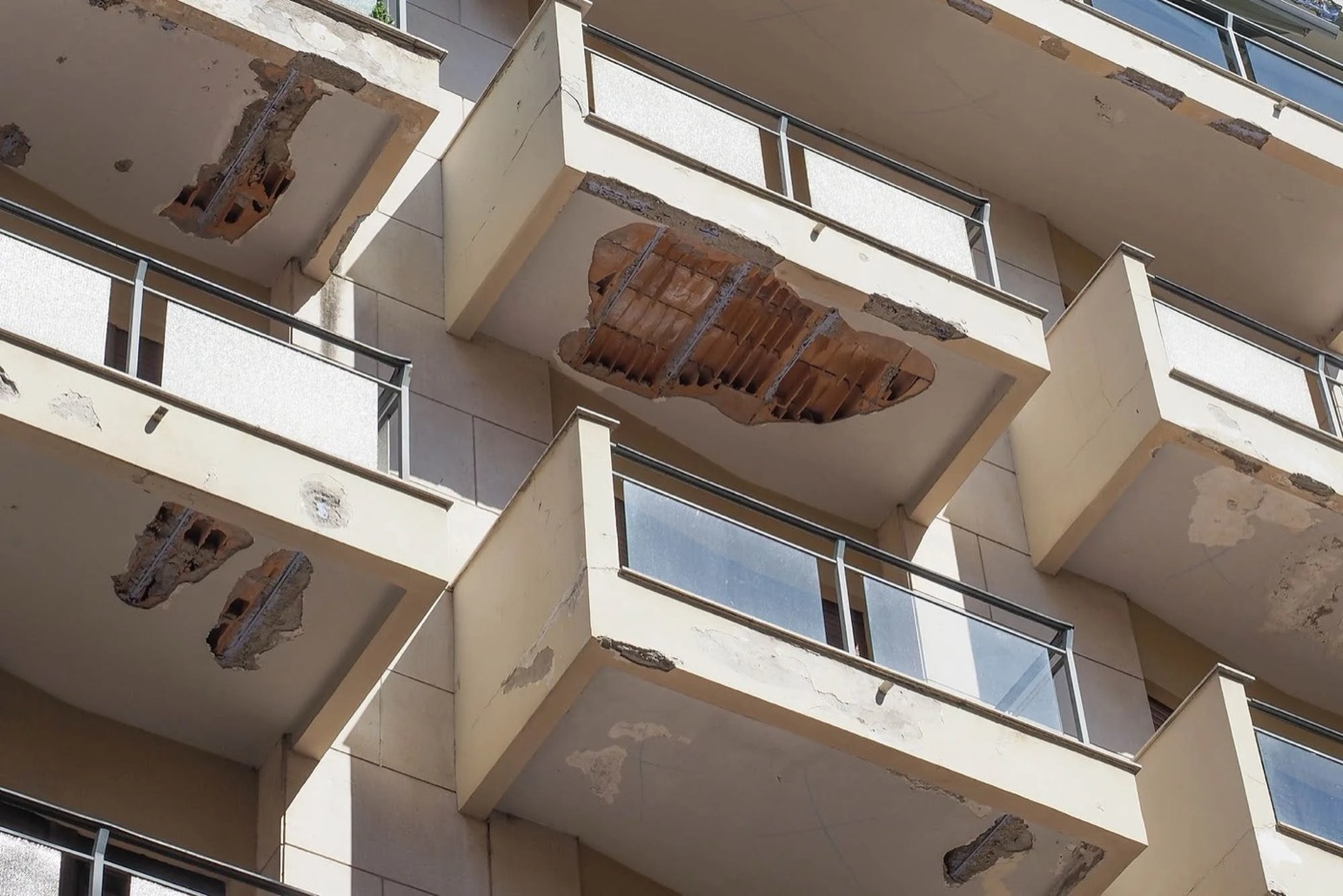
Nobody wants to rip out a whole bathroom for one leaking shower, so "no tile removal" repairs are popular. They can work in the right situation. But in the wrong one you could spend money, and still have water going into walls and the room below.
First, find out what is leaking
A shower can leak in several ways, and the right repair is different for each:
- Grout and silicone: cracked grout or failed corners let water behind the tiles.
- Taps and pipes: a plumbing leak inside the wall, which a plumber can test for.
- Floor waste: a poor connection between the drain and membrane.
- Shower screen: water escaping past the base or door seals.
- Failed membrane: the waterproofing under the tiles has broken down, or was not done properly.
When tiles can stay
- The leak has been traced to grout, silicone or a tap that can be fixed.
- Tiles are firmly stuck, with no drummy or loose areas. See drummy tiles.
- Falls to the drain are good.
- Damage to walls and framing is minor.
- You need a short-term fix before a renovation.
Common no-removal methods
- Regrouting and resealing: removing grout and silicone and replacing with better products.
- Penetrating sealers: reduce water getting through grout and tile surfaces.
- Injected sealants: products injected through grout lines to seal gaps under tiles.
When tiles need to come off
- Tiles are loose, drummy or cracked.
- Water is pooling because of poor falls.
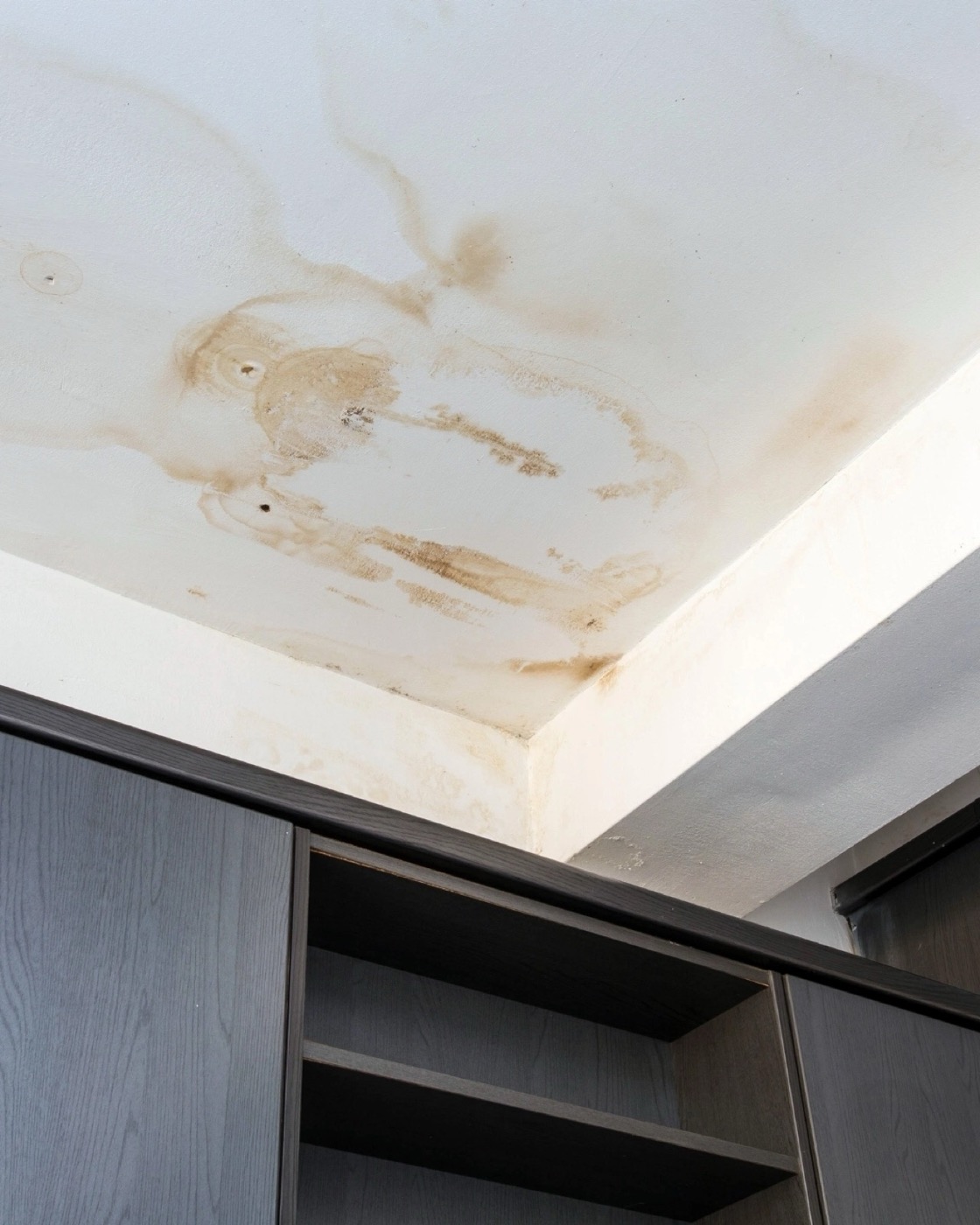
- Skirtings or walls next to the shower are swollen, or show mould.
- The leak is damaging the room or apartment below.
- Previous sealing or injection has failed.
- The framing or floor is rotten.
In these situations, stripping back, repairing and installing a proper membrane is usually better value. See leaking shower repairs and bathroom waterproofing.
What about warranties?
Ask exactly what a warranty covers, how long it lasts and what happens if water keeps leaking from another source. A warranty is only as good as the company that gives it.
If you live in an apartment
Waterproofing in a bathroom may have specific strata rules, and a leak can affect neighbours. Tell your strata manager early. See bathroom by-laws and water leaking from above.
How the right repair helps
A lasting fix protects timber, walls and neighbours, removes musty smells and stops mould. It can also cost less than repairing hidden damage later on.
Get the right answer first
We inspect the shower, find the source and tell you honestly whether the tiles can stay. Call 0415 840 500 or book a free inspection.
Frequently asked questions
Can a leaking shower be fixed without removing tiles?
Sometimes, if the fault is grout, silicone or a tap, and the tiles and falls are sound. If the membrane has failed or tiles are loose, they usually need to come off.
How long do injected shower repairs last?
It depends on the cause and condition of the shower. They can help in some cases, but will not solve poor falls or major membrane failure.
How do I know if my shower membrane has failed?
Signs include damp or swollen walls outside the shower, mould, stains below and leaks that keep going after the grout and taps have been fixed. Testing can help confirm.