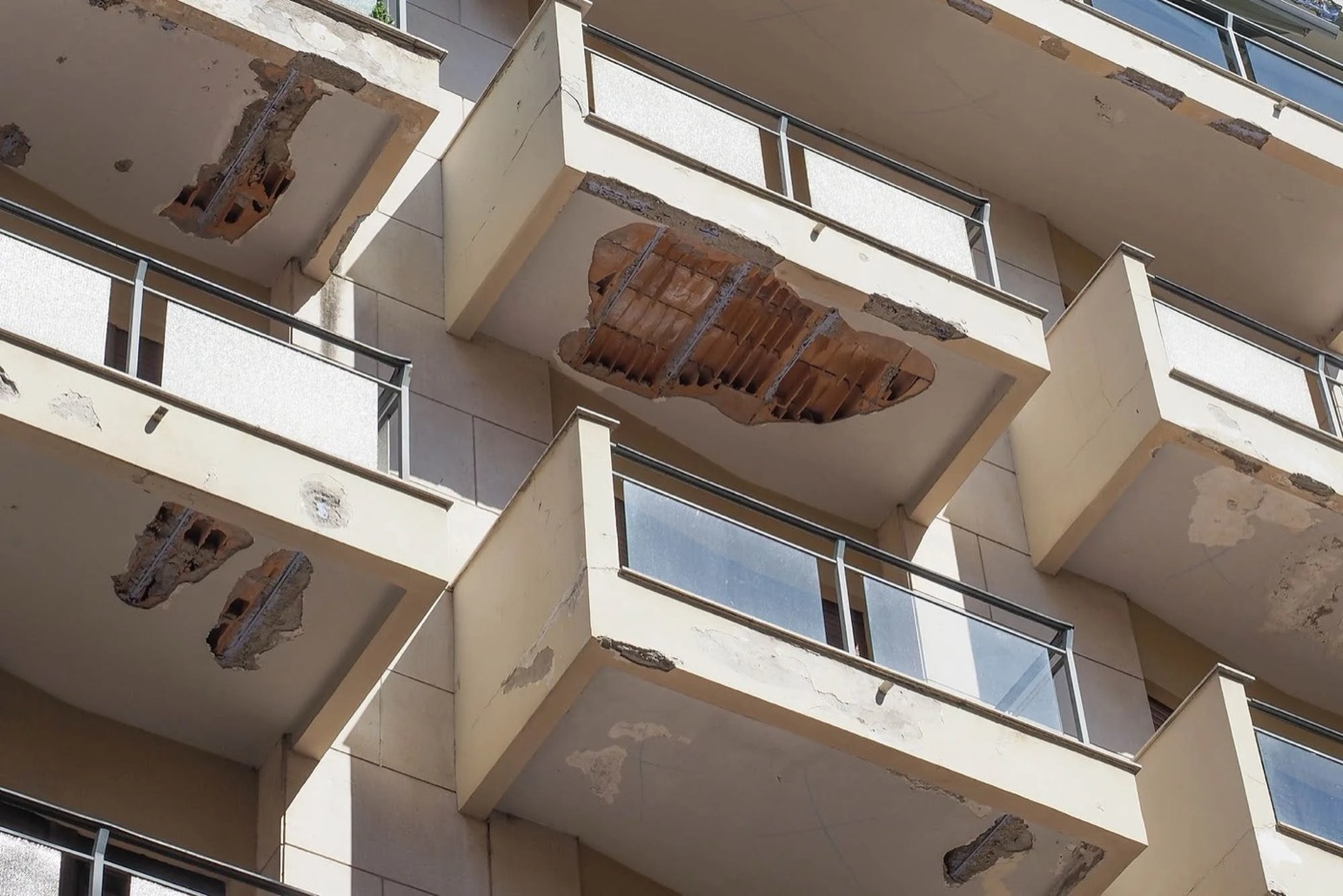
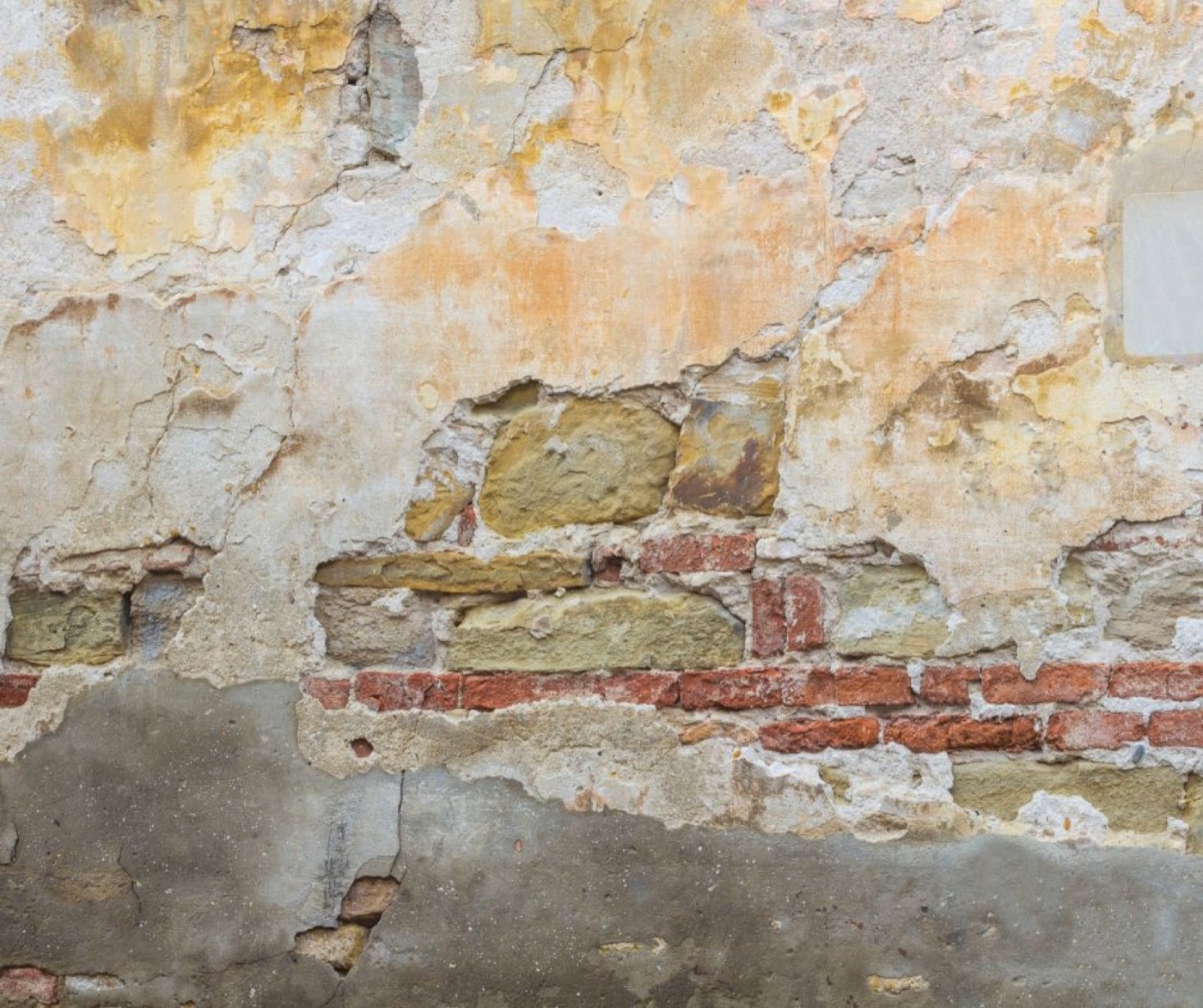
A brown stain spreading across the ceiling, drips after rain, or water running down a wall: leaks from above are one of the most stressful problems in an apartment. They rarely fix themselves, and the longer they run, the more damage they do to ceilings, timber, electrics and the concrete slab itself.
What to do in the first 24 hours
- Make it safe. If water is near light fittings or power points, switch off that circuit at the board. Do not touch wet electrics.
- Contain the water. Buckets, towels and move furniture and belongings away.
- Photograph everything with dates: the stain, drips, and any damage. Note when it happens, such as after rain or after the unit above showers.
- Tell your strata manager in writing, and the owner or tenant above if you know them. If you rent, tell your agent or landlord too.
- Check your insurance. Contents insurance and the building's strata policy may both be relevant.
Where the water is usually coming from
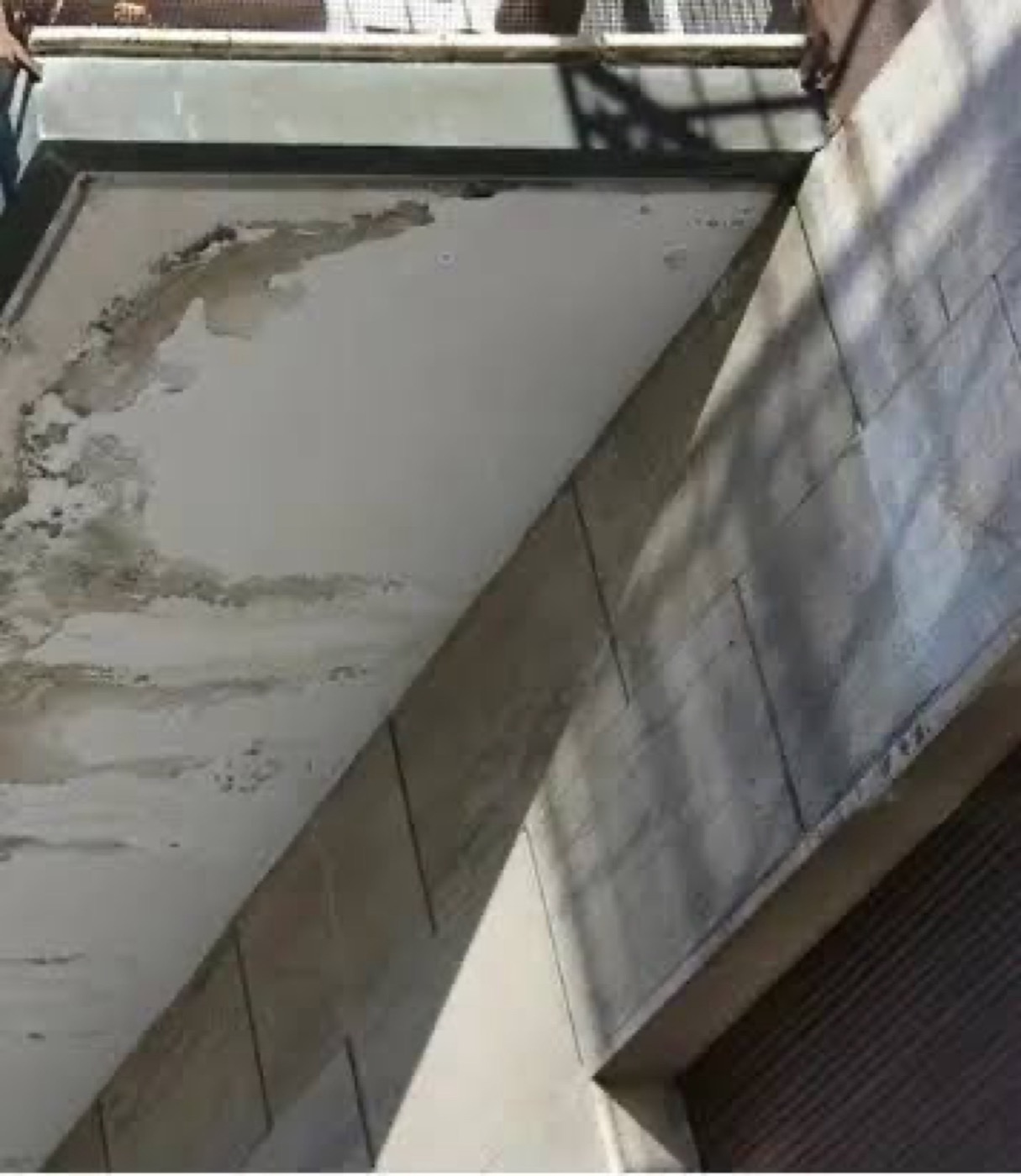
- A balcony or terrace above with a failed membrane, blocked drain or poor falls. Often worse after rain.
- A bathroom above with failed shower waterproofing or a leaking waste. Often worse after someone showers.
- Plumbing: a leaking pipe, fitting or hot water unit. Often constant, rain or not.
- The roof, gutters or box gutters in top-floor units.
- The facade or windows: cracked render, failed sealants and window frames, often in wind-driven rain.
Water travels along slabs and beams, so the stain is often not directly below the source. That is why the source has to be traced, not guessed. Our guide to remedial waterproofing explains how leaks are traced with moisture readings and flood testing.
Who is responsible in NSW strata?
It usually follows the source. Leaks from common property, which normally includes the building structure, external walls, roofs and balcony waterproofing, are generally the owners corporation's responsibility. Leaks from fixtures and fittings inside a lot, or from a lot owner's renovation, may be that owner's responsibility. Your strata plan and by-laws decide the detail, which is why an inspection that identifies the source matters.
Do not just repaint the ceiling
Painting over a stain hides the evidence and the leak keeps going. Ongoing leaks lead to mould, rotting timber and concrete spalling, which costs far more to fix later.
How it gets fixed properly
- Trace and confirm the source.
- Repair it: re-waterproof the balcony or bathroom above, fix the plumbing, roof or facade.
- Dry out, then repair the ceiling, linings and finishes in your unit.
- Document the repair for the strata records.
Get it inspected
METCON is a licensed, DBP registered remedial builder for Class 2 apartment buildings. We trace leaks, repair the source and make good the damage. See our waterproofing service or call 0415 840 500.
Frequently asked questions
Who pays for a leak from the apartment above in NSW?
It depends on the source. Leaks from common property such as balcony waterproofing, roofs and external walls are usually the owners corporation's responsibility. Leaks from a lot owner's fixtures or renovation may be that owner's.
How do you find where a ceiling leak is coming from?
By checking likely sources above, taking moisture readings and flood testing balconies or showers one at a time. Water often travels before it shows.
Can I just paint over a ceiling water stain?
Not until the leak is fixed. Painting hides the evidence while water keeps damaging the ceiling, timber and concrete.