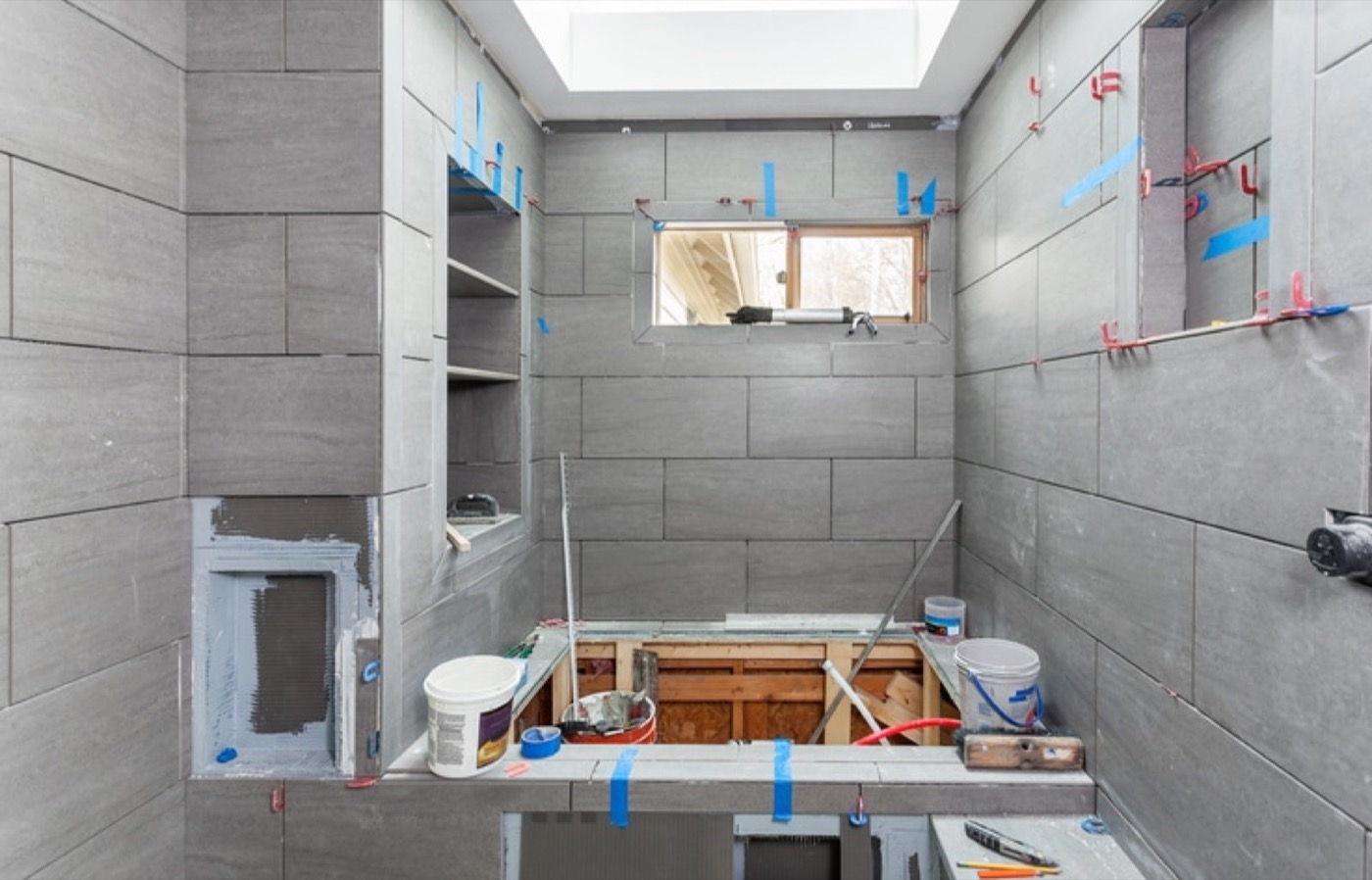
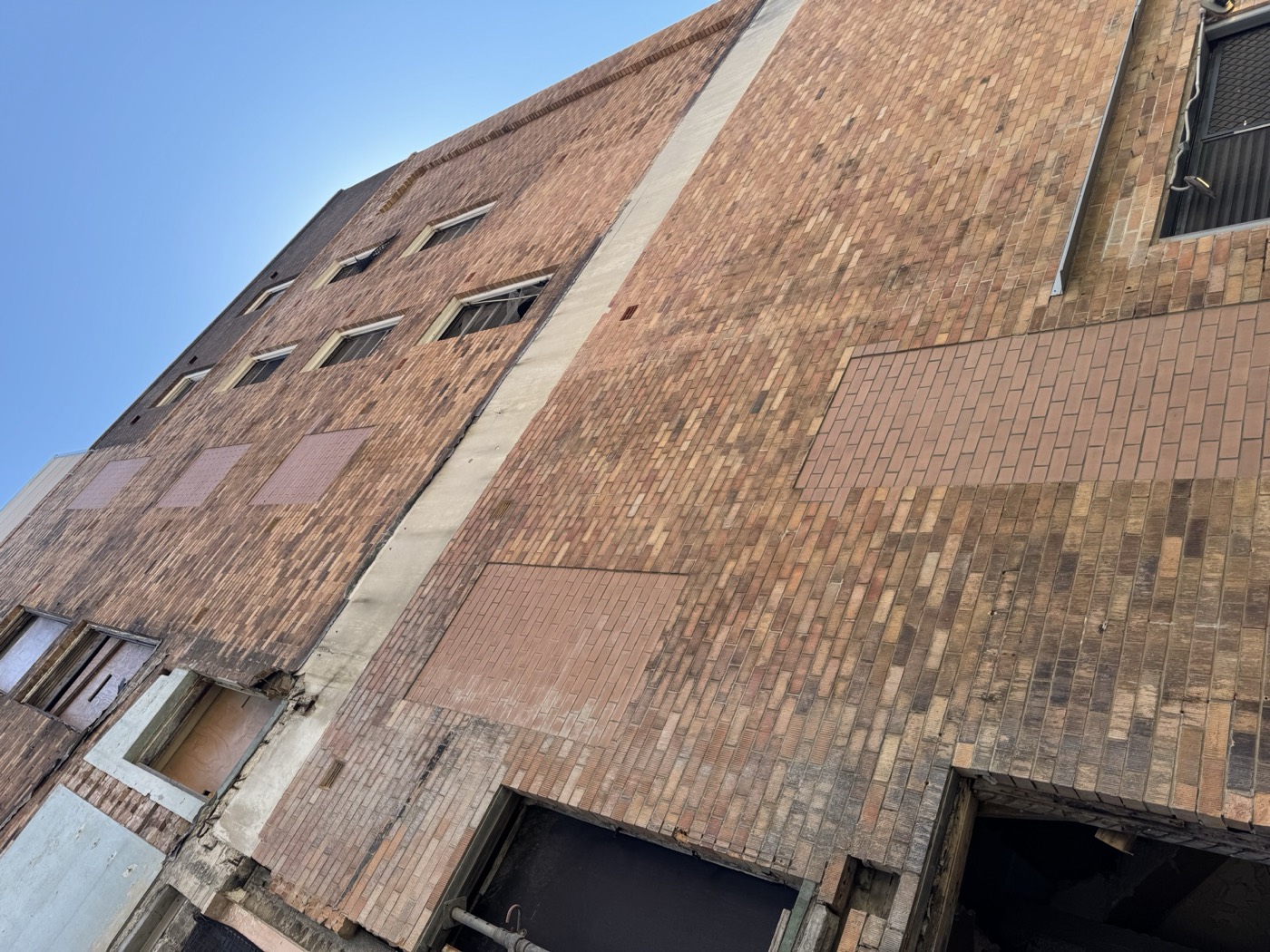
Bathroom waterproofing is the hidden layer under your tiles that keeps water in the shower and out of the walls, floor and the room or unit below. When it fails, the damage spreads quietly for months before anyone sees it.
What the standard requires
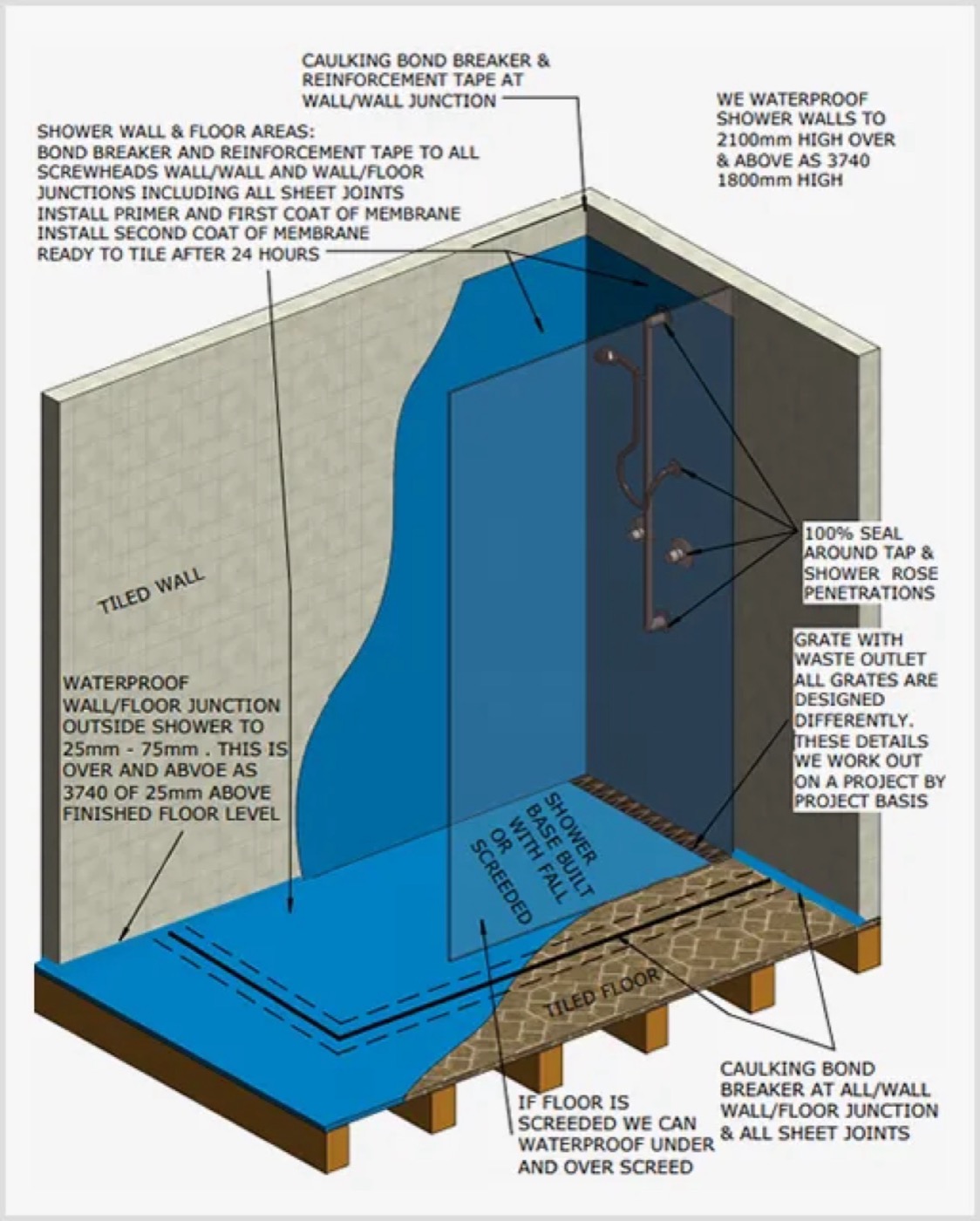
Waterproofing of domestic wet areas in Australia is covered by AS 3740, referenced by the National Construction Code. It sets out which areas must be waterproofed and how: shower floors and walls, the floor and wall junctions, around baths and penetrations, and how the membrane is turned up at walls and over hobs or step-downs.
How a bathroom membrane is installed properly
- Preparation: sound, clean, dry substrate with correct falls to the floor waste.
- Primer to help the membrane bond.
- Bond breakers at wall and floor junctions so the membrane can flex as the building moves.
- Puddle flange at the floor waste, so water that gets under tiles can still drain.
- Membrane coats to the manufacturer's thickness, including upturns at walls and door openings.
- Curing and flood testing before tiling, where practical.
Waterproofing certificates in NSW
Waterproofing should be done by an appropriately licensed waterproofer or builder, who commonly provides a certificate stating the work complies with the standard and the product's requirements. Certifiers and buyers often ask for this certificate, so keep it with your house records.
Signs your bathroom waterproofing has failed
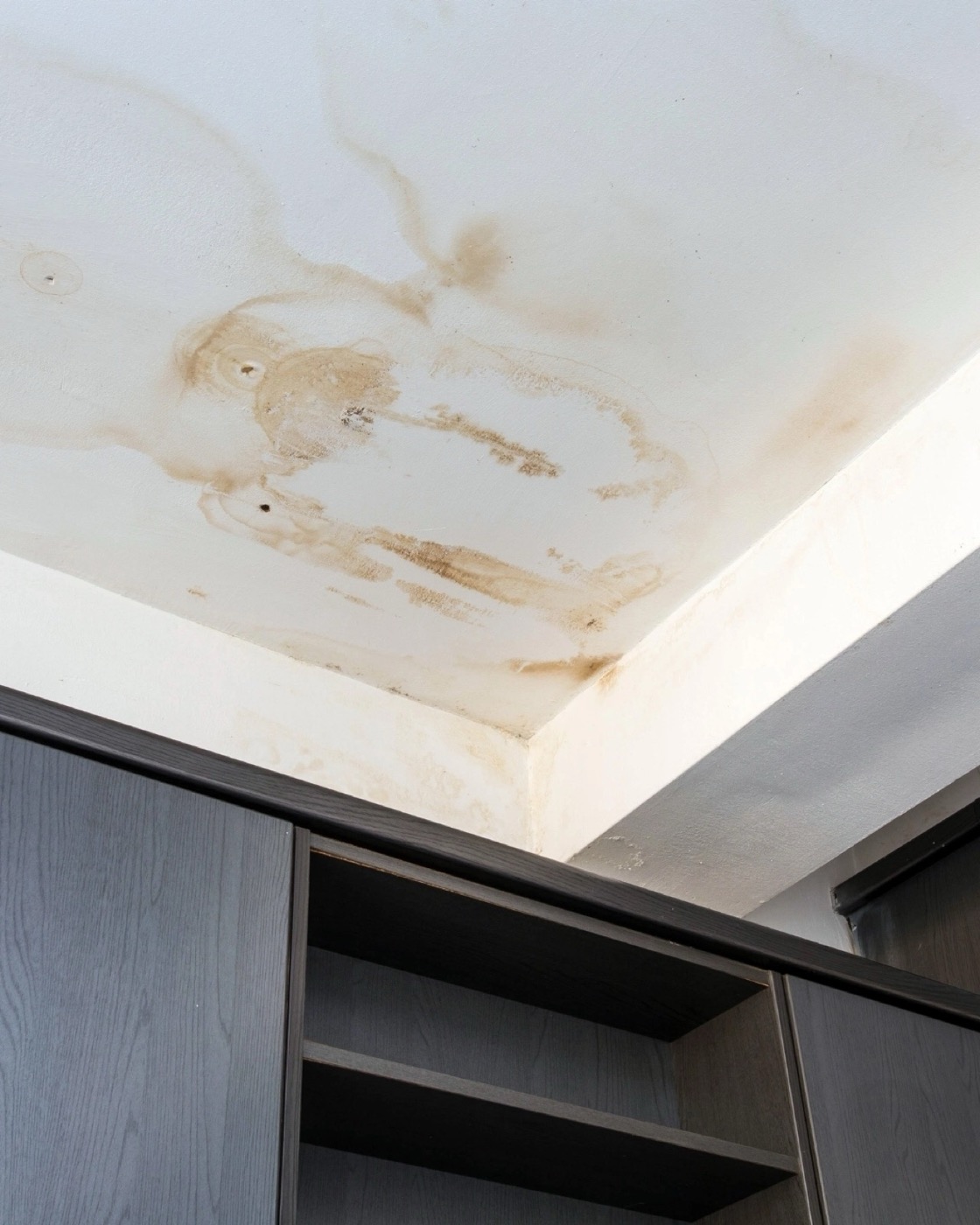
- Stains, bubbling paint or mould on the ceiling below or on adjoining walls.
- Swollen or rotting skirting boards and door frames outside the bathroom.
- Loose, drummy or cracked tiles, and grout that keeps cracking.
- A musty smell that does not go away.
- Water marks in the cabinet or room behind the shower wall.
Regrout or re-waterproof?
Fresh grout and silicone can stop water getting under tiles for a while, but if the membrane underneath has failed, the leak will come back. See leaking shower repairs for the options.
What drives the cost
- Bathroom size and how much needs stripping out.
- Damage found under the tiles: rotten timber, cracked screeds, damaged walls.
- Membrane system and falls corrections.
- Replacing tiles, fixtures and finishes.
- Access and repairs to rooms or units below.
Waterproofing done properly
We trace the leak, strip back to the substrate, re-waterproof to the standard and repair the damage. See our waterproofing service or call 0415 840 500.
Frequently asked questions
What Australian Standard covers bathroom waterproofing?
AS 3740 Waterproofing of domestic wet areas, referenced by the National Construction Code.
Do I get a waterproofing certificate in NSW?
Licensed waterproofers and builders commonly provide a certificate stating the work complies. Keep it with your property records.
Can you waterproof a bathroom without removing tiles?
Surface sealers and regrouting can help temporarily, but a failed membrane under the tiles generally needs the tiles removed and the area re-waterproofed.