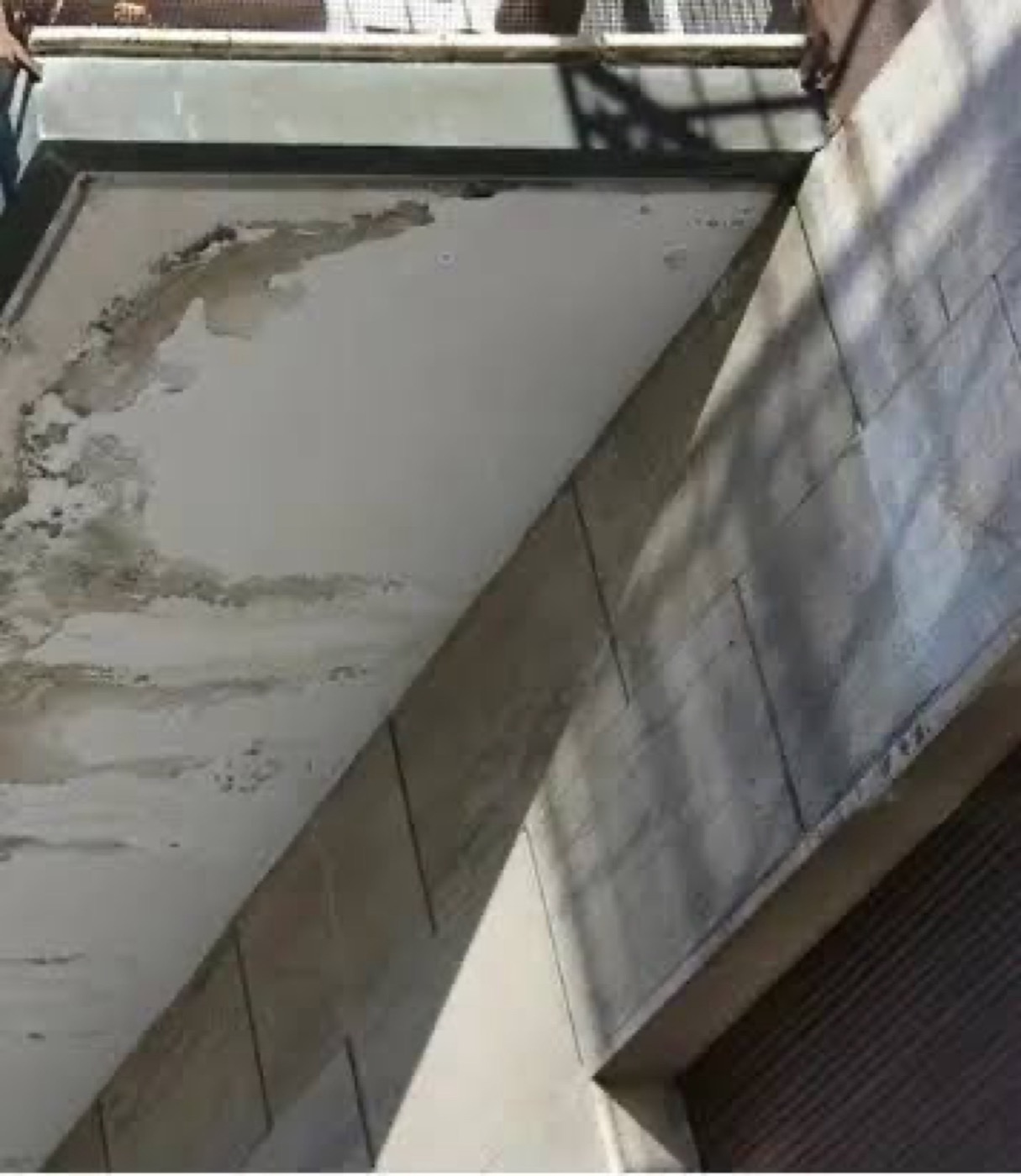
Whether you are renovating a bathroom, re-waterproofing a balcony or buying an apartment, you will probably be asked for a waterproofing certificate. It is a short document, but it matters.
What is a waterproofing certificate?
A waterproofing certificate is a written statement from the installer that the waterproofing was installed to the relevant Australian Standard and the manufacturer's requirements. It is evidence the hidden membrane, which you cannot see once tiles go down, was done properly.
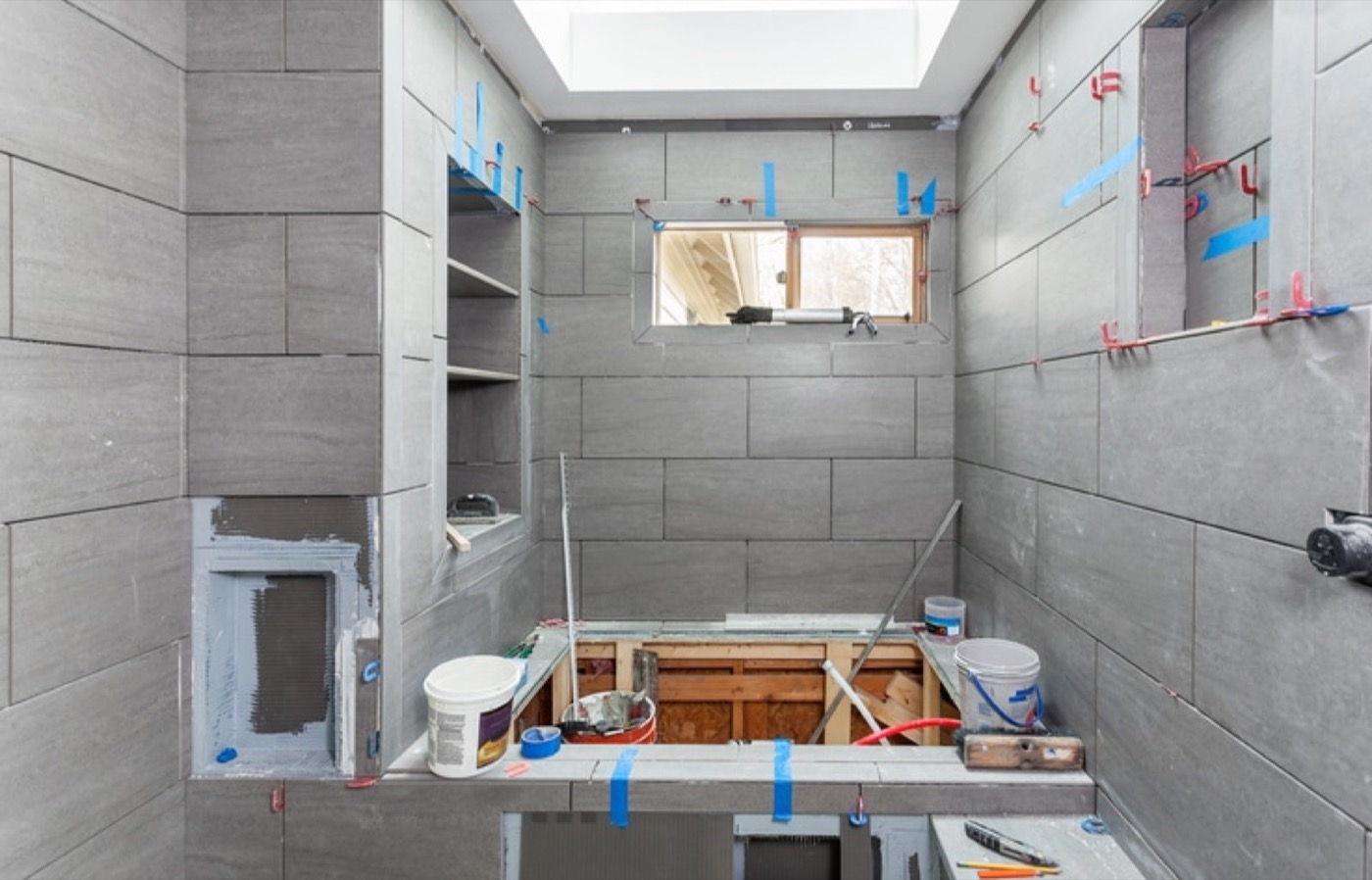
What it should include
- The property address and the areas waterproofed, such as the shower, bathroom floor, laundry or balcony.
- The installer's name, business and licence number.
- The membrane product and system used.
- The Australian Standard it complies with: AS 3740 for internal wet areas, or AS 4654.2 for external areas like balconies and roofs.
- The date of installation and, ideally, any flood test.
- Any warranty from the installer or manufacturer.
Who issues it?
The licensed waterproofer or builder who carried out the work. In NSW, residential waterproofing generally needs to be done by a licensed contractor. A certificate from someone not licensed for the work carries little weight.
When you need one
- Occupation certificates: certifiers commonly require waterproofing certificates for wet areas before signing off new work.
- Strata records: for balcony, podium and roof waterproofing on common property, and for owner renovations of bathrooms approved under by-laws.
- Selling or buying: buyers, their inspectors and conveyancers often ask for certificates for renovated bathrooms and balconies.
- Warranty claims: if the membrane fails, the certificate identifies who installed it and what was used.
- Class 2 buildings: waterproofing is a building element under the DBP Act, so certificates sit alongside regulated designs and compliance declarations.
Does a certificate mean it will not leak?
No. A certificate is a statement, not a guarantee. Ask for photos of the membrane before tiling, and a flood test on balconies and wet areas. See how a balcony is waterproofed properly and bathroom waterproofing.
Lost or missing certificates
- Contact the original installer or builder for a copy.
- Check council or certifier records for the original approval.
- For strata, check the owners corporation's building records.
- If none exists, an inspection and testing can show whether the waterproofing performs, but it cannot certify work no one saw installed. Some owners choose to redo the waterproofing before selling.
Certified waterproofing, documented properly
Every balcony and wet area we waterproof is photographed before tiling, flood tested where appropriate, and handed over with a waterproofing certificate. See our waterproofing service or call 0415 840 500.
Frequently asked questions
What is a waterproofing certificate?
A written statement from the licensed installer that the waterproofing was installed to the relevant Australian Standard and the manufacturer's requirements.
Which standard applies to waterproofing in NSW?
AS 3740 for internal wet areas such as bathrooms and laundries, and AS 4654.2 for external areas such as balconies and roofs.
Do I need a waterproofing certificate to sell?
It is not always mandatory, but buyers, inspectors and conveyancers often ask for one for renovated bathrooms and balconies.