A balcony membrane is only as good as its weakest detail. Most leaking balconies did not fail because the wrong product was used. They failed because a corner, a drain or a door sill was not done properly. This is the process a professional balcony re-waterproofing job follows.
Step 1: Diagnose and plan
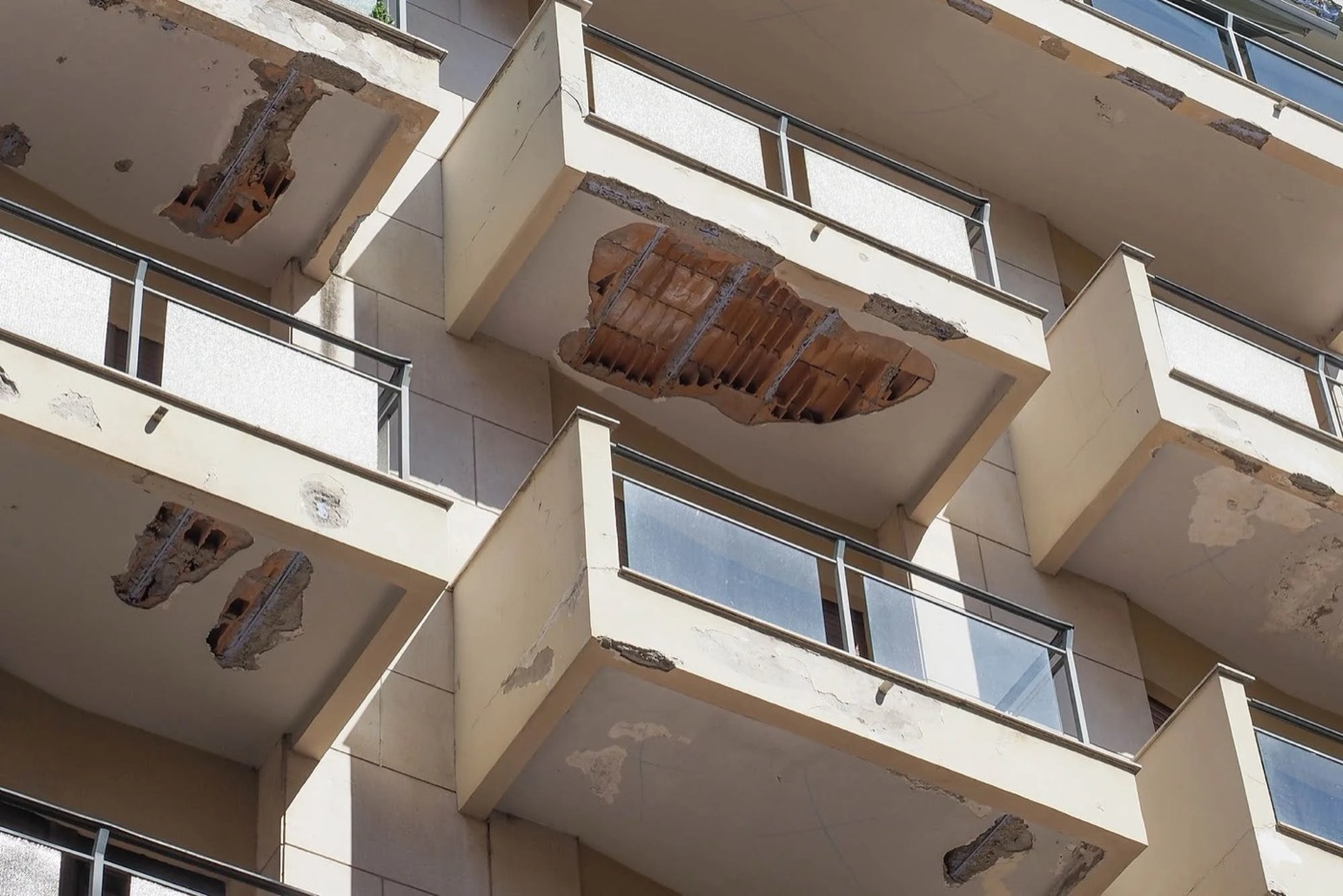
Before anything is removed, the leak is investigated. Flood testing and moisture readings show where water is getting in, and the slab is checked for concrete cancer. In strata buildings, an engineer or consultant usually specifies the system and details.
Step 2: Protect and remove
The inside of the home, lifts and common areas are protected. Tiles, mortar bed and old membrane are removed back to the structural slab. Balustrades, doors, lights and air conditioning units are removed or protected as needed.
Step 3: Repair the slab
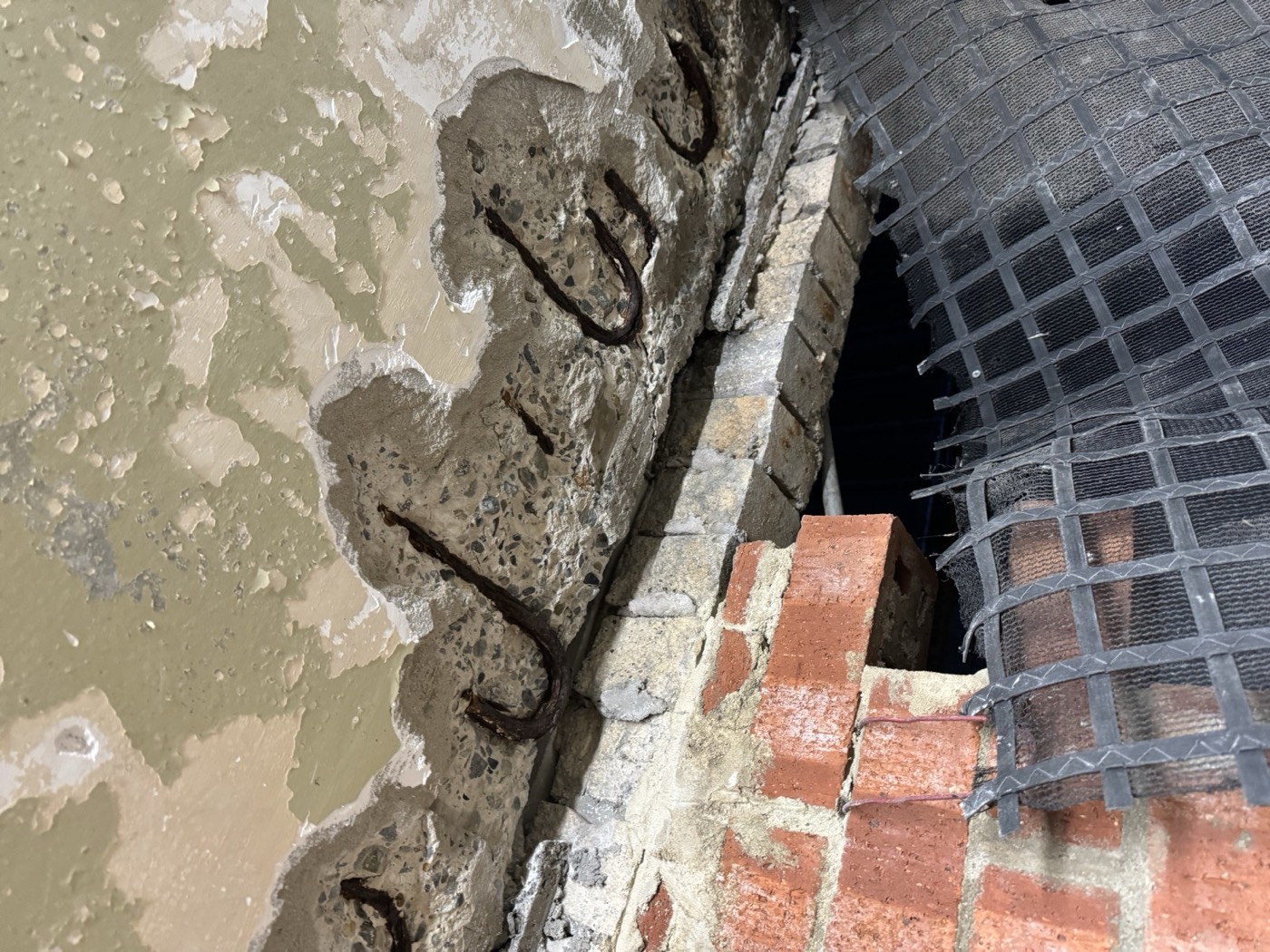
Cracks are treated, concrete cancer is broken out and repaired, and any damaged edges are rebuilt. The surface is ground or cleaned so the membrane bonds properly.
Step 4: Correct the falls
If water does not drain to the outlets, a screed is laid to a consistent fall. Whether the membrane goes under or over the screed depends on the system, but water must drain freely at membrane level.
Step 5: Drains, puddle flanges and overflow
Each floor waste gets a puddle flange, so the membrane can be sealed into the drain body and water in the tile bed can drain away. An overflow is provided so water can escape if the drain blocks.
Step 6: Bond breakers and reinforcement
At wall junctions and corners, bond breakers or fillets let the membrane flex as the building moves. Reinforcing fabric or tape is installed at cracks, corners and junctions.
Step 7: Upturns and thresholds
The membrane is turned up the walls to the required height and terminated so water cannot get behind it. At door sills, it runs under or up behind the sill. This is the most important detail on any balcony. See balcony door leaks.
Step 8: Penetrations and balustrades
Anything that passes through the membrane, such as balustrade posts, pipes and conduits, is sealed with the manufacturer's detail. Wherever possible, balustrades are side-fixed to the slab edge rather than drilled through the membrane.
Step 9: Apply the membrane
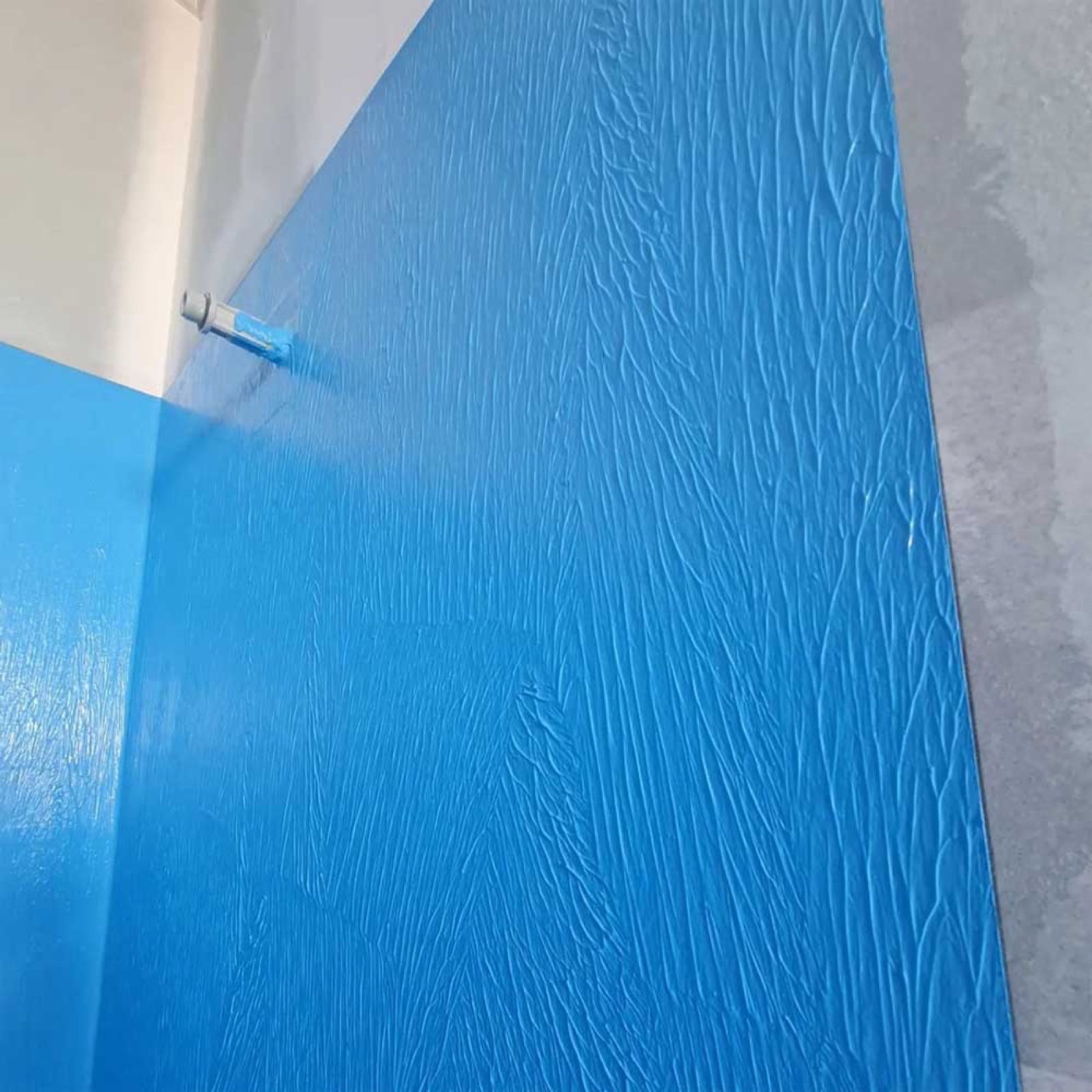
The primer and membrane are applied to the manufacturer's specification, in the right number of coats and thickness, with curing time between coats. Wet film thickness is checked. The work should comply with AS 4654.2. See balcony waterproofing standards.
Step 10: Flood test
Once cured, the balcony is dammed and flooded, typically for 24 hours, and checked below for leaks. This is the moment to find a problem, before the tiles go down.
Step 11: Protect and tile
The membrane is protected while tiles are bedded with compatible adhesives. Movement joints are installed at the perimeter and at set spacings, and grout and sealants are finished.
Step 12: Certify and hand over
The installer provides a waterproofing certificate with the system used. In strata, the work is documented with photos at every stage for the owners corporation's records.
Can I waterproof my own balcony?
In NSW, residential waterproofing work generally needs to be done by a licensed contractor. Balconies over rooms or other units are high risk, and a failed DIY membrane can cause damage to neighbours and void insurance. For minor maintenance, see options that do not remove tiles.
Balcony waterproofing done once
We re-waterproof balconies across Sydney using proven membrane systems, documented details and flood testing before tiling. See also what balcony repairs cost. See our balcony repair service or call 0415 840 500.
Frequently asked questions
How is a balcony waterproofed properly?
Tiles and bed are removed, the slab repaired and falls corrected, puddle flanges, overflows, bond breakers and upturns installed, the membrane applied to specification, flood tested, then re-tiled.
What is the most common balcony waterproofing failure?
The door threshold, where the membrane does not run under the sill, followed by wall junctions and floor wastes without puddle flanges.
Do you need a licence to waterproof a balcony in NSW?
Residential waterproofing in NSW generally needs a licensed contractor, and balconies over living areas are high risk for DIY.