Removing tiles is messy, noisy and expensive, so it is natural to ask whether a leaking balcony can be waterproofed over the top. Sometimes it can, at least for a while. Often it cannot. The answer depends on where the water is getting in.
Why most balconies leak
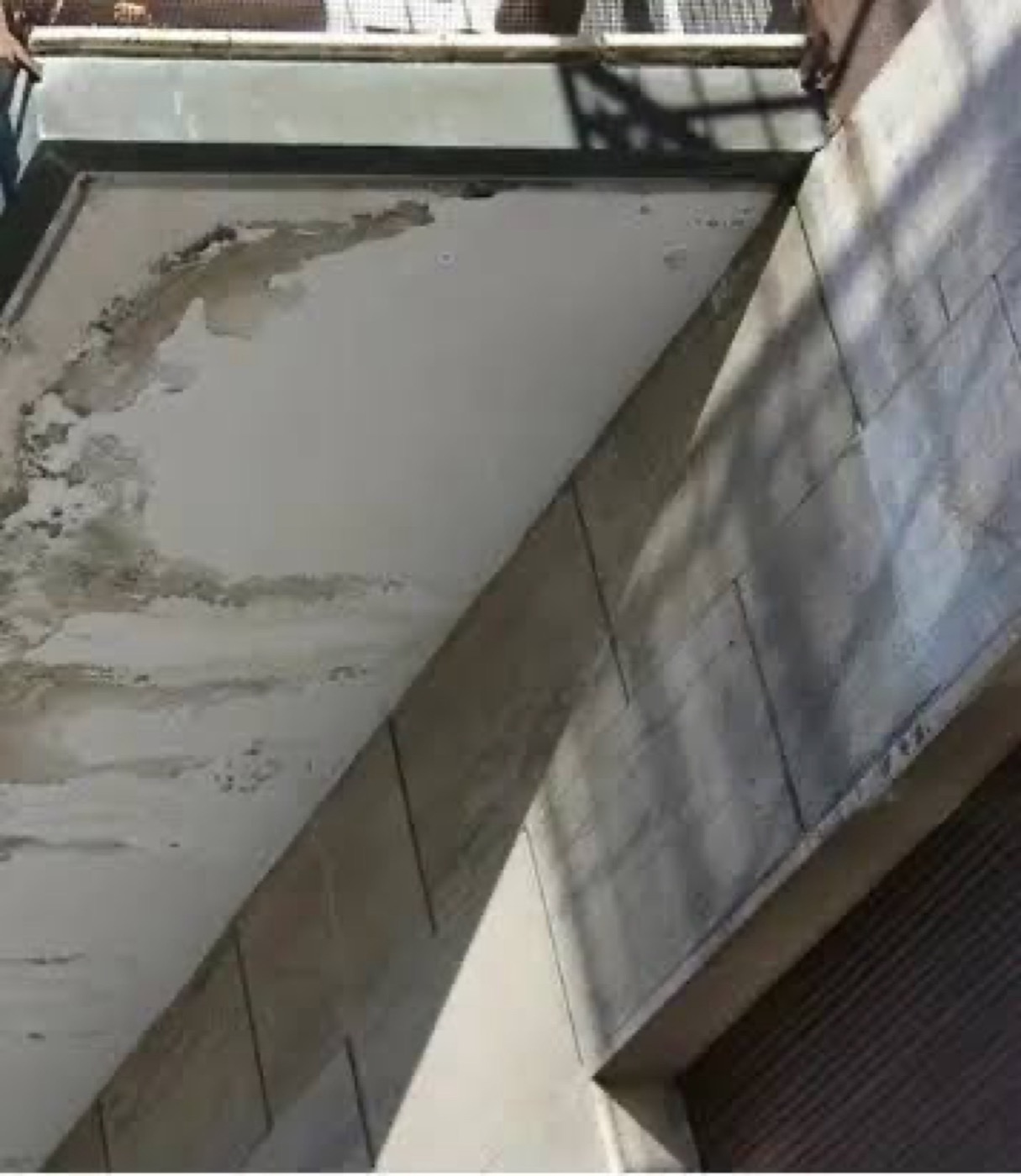
Water does not usually leak straight through the middle of a tiled balcony. It gets in through the grout and tile bed, then finds a failed membrane at the edges: the door threshold, the wall junctions, the drain or the balustrade fixings. If the membrane under the tiles has failed at those points, a product on top of the tiles is trying to replace it.
Options that do not remove the tiles
Clear penetrating sealers
Silane and siloxane sealers soak into grout and porous tiles and repel water. They can slow water entry through the grout, and they do not change the look of the tiles. They do not bridge cracks, seal thresholds or fix drains, and they need re-applying every few years.
Clear film-forming coatings
Clear polyurethane or similar coatings form a surface film over the tiles and grout. They can bridge hairline cracks in grout. They can be slippery, may yellow or wear in sun and foot traffic, and still rely on good details at doors, walls and drains.
Regrouting and resealing
Raking out old cement grout, regrouting with epoxy grout and replacing perimeter silicone can reduce water entry, especially on balconies with cracked or missing grout.
Local detail repairs
If testing shows the leak is at one point, such as a floor waste without a puddle flange or a balustrade post, that area can sometimes be opened up and repaired without redoing the whole balcony.
When a no-removal fix can work
- The leak is minor and recent.
- The membrane is known to exist and testing points to grout or one detail.
- Tiles are well bonded, with no drummy or cracked tiles.
- Falls drain water away and the drain is not blocked.
- It is a short-term measure while a full repair is planned and funded.
When the tiles have to come up
- Drummy, cracked or lifting tiles. See drummy tiles.
- No membrane, or a membrane that has failed across the balcony.
- Leaks at door thresholds where the membrane was never turned up under the sill.
- Water pooling because the falls are wrong. See water pooling on a balcony.
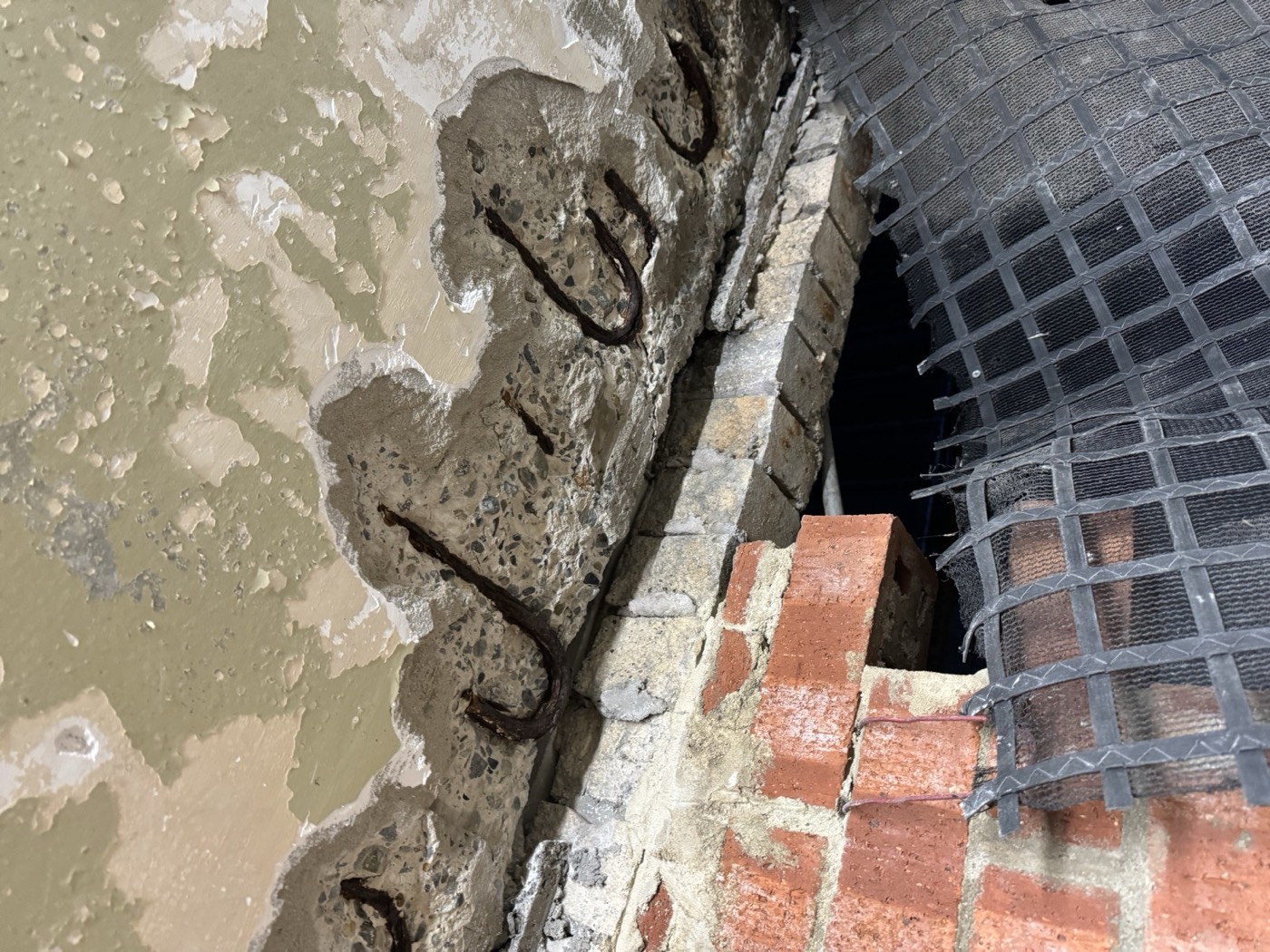
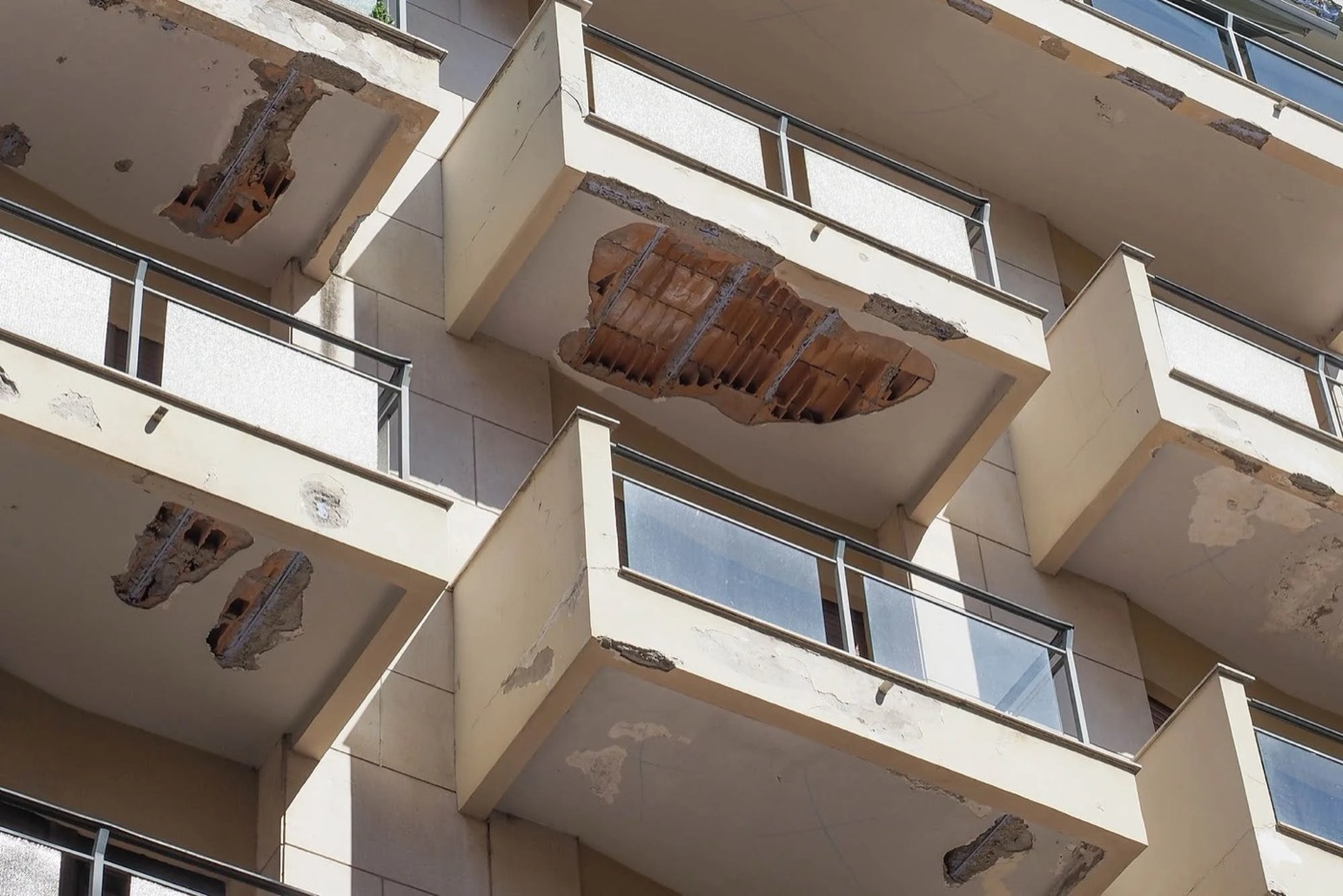
- Rust stains, cracking or concrete cancer on the slab edge or soffit.
- Repeated leaks after earlier sealers or coatings.
- Mould or water damage in the room below.
The risk of the quick fix
A sealer that stops the visible drip can hide a problem that is still getting worse. Water trapped in the tile bed keeps feeding the reinforcement, and by the time the leak returns the slab may need concrete repairs as well. In strata, a cheap fix that fails can also mean repeat damage to the unit below.
Test first, then decide
The right answer comes from testing, not guessing. We inspect above and below, take moisture readings and flood test sections of the balcony to find exactly where water is getting in. Then we tell you honestly whether a sealer, a local repair or full re-waterproofing is needed. See our balcony repair service or call 0415 840 500.
Frequently asked questions
Can you waterproof a balcony without removing tiles?
Sometimes, using clear sealers, coatings or regrouting, if the leak is minor and through the grout. If the membrane under the tiles has failed at doors, walls or drains, the tiles usually need to come up.
Do clear balcony sealers work?
They can slow water entering through grout and porous tiles, but they do not fix failed thresholds, upturns or drains, and need re-applying every few years.
How long does a tile sealer last on a balcony?
Typically a few years, depending on the product, sun and foot traffic.