Most strata remedial works are done while residents are still living in the building. Knowing what to expect makes the project easier for everyone, and helps committees ask the right questions when they choose a builder.
Before work starts
- Notices. You should receive written notice of the start date, the programme, work hours and who to contact.
- Access to your lot. If work needs access through your unit, for example to reach a balcony, the owners corporation must give notice. The Strata Schemes Management Act sets out the rules for access.
- Clearing balconies. Pot plants, furniture, screens and anything fixed to walls usually need to be removed before work.
- A pre-start inspection. Good builders photograph the condition of affected areas first, which protects everyone.
Scaffold and access
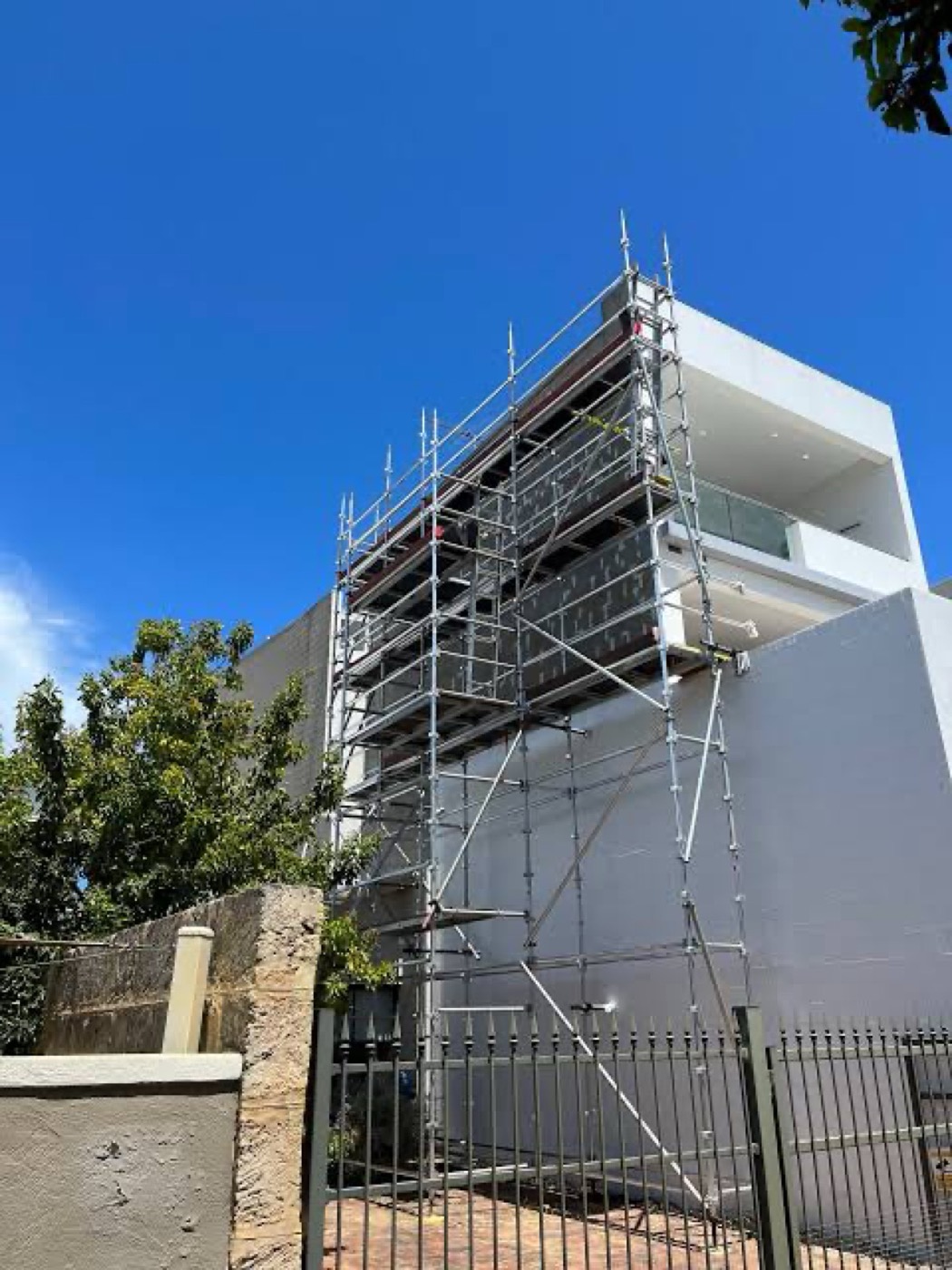
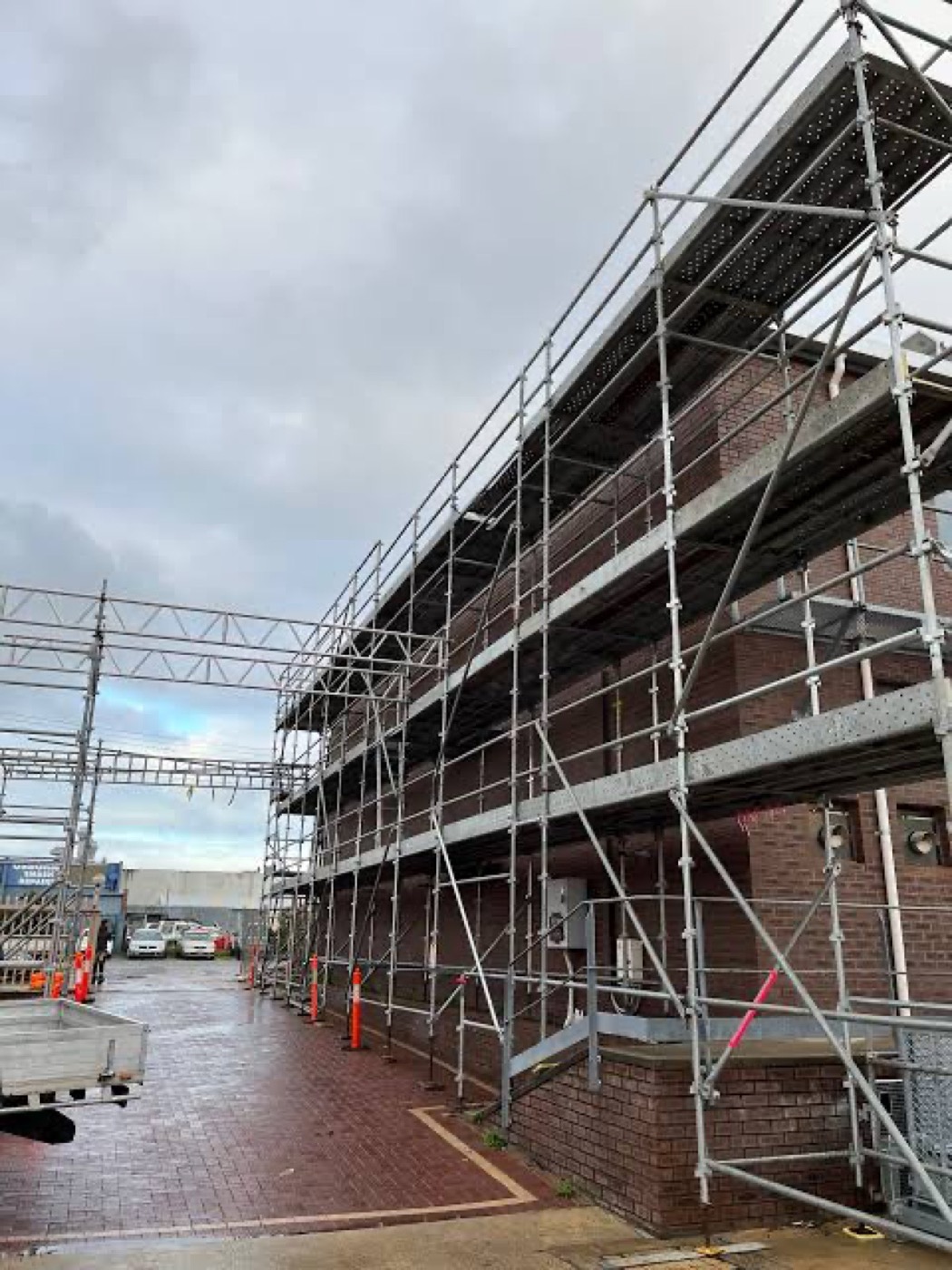
Scaffold is the most visible part of most projects. It may stay up for weeks or months, depending on the size of the job.
- Privacy. Workers will be outside your windows. Shade cloth on scaffold helps, and you will be told when work is near your unit.
- Security. Scaffold should be secured at ground level outside work hours, with access ladders locked or removed. Keep windows and balcony doors locked.
- Light. Shade cloth makes rooms darker for the duration.
Noise and dust
Breaking out concrete, removing tiles and grinding are noisy. Work hours are set by the contract and any council conditions, and noisy work is usually limited to set hours. Dust is controlled with screens, vacuums and wet cutting, but some will get through. Keep windows closed near the work.
Your balcony
Balconies being repaired are out of use while the work is done, and for curing time after membranes and tiles are laid. A typical balcony can be out of use for some weeks, longer on larger or more complex jobs. Your builder should tell you when yours will be affected.
Water, power and services
Some work needs short shutdowns of water or power. You should get notice of these in advance. Lift work, such as lift pit waterproofing, can take a lift out of service for a period, and residents with mobility needs should be planned for.
Car parks and common areas
Car park works may mean moving cars for set days. Common areas may be partly closed, with signs and safe routes marked.
Pets, children and working from home
- Tell the builder about pets that might be stressed by noise or workers outside windows.
- Keep children away from scaffold and work zones.
- If you work from home, ask for the noisy-work schedule so you can plan calls.
Communication: what good looks like
- One contact person for residents, with a phone number.
- A notice board in the lobby or regular email updates.
- Advance notice of work at each unit.
- Prompt responses to complaints and damage reports.
When it is finished
At the end, balconies are handed back clean, any damage is made good and the committee receives the warranties, test records and compliance documents. Any defects found later are fixed during the defects liability period.
Committees: choosing a builder
When you tender remedial works, ask each builder how they manage residents. Their answer tells you a lot about how the project will run. We plan staging, notices and access around residents on every strata job. METCON is a licensed builder (384697C) and DBP registered (BUP4254812) for Class 2 work. Call 0415 840 500 or book a free inspection.
Frequently asked questions
Can I stay in my apartment during strata remedial works?
In most projects, yes. Work is planned around residents, though balconies may be out of use and there will be noise, scaffold and some service shutdowns.
How long will my balcony be out of use?
It depends on the work. A balcony being re-waterproofed and re-tiled is commonly out of use for some weeks, including curing time. Your builder should give you dates.
Do I have to give the builder access to my unit?
If access to your lot is needed for repairs, the owners corporation can arrange it with notice under the Strata Schemes Management Act. Talk to your strata manager about timing.