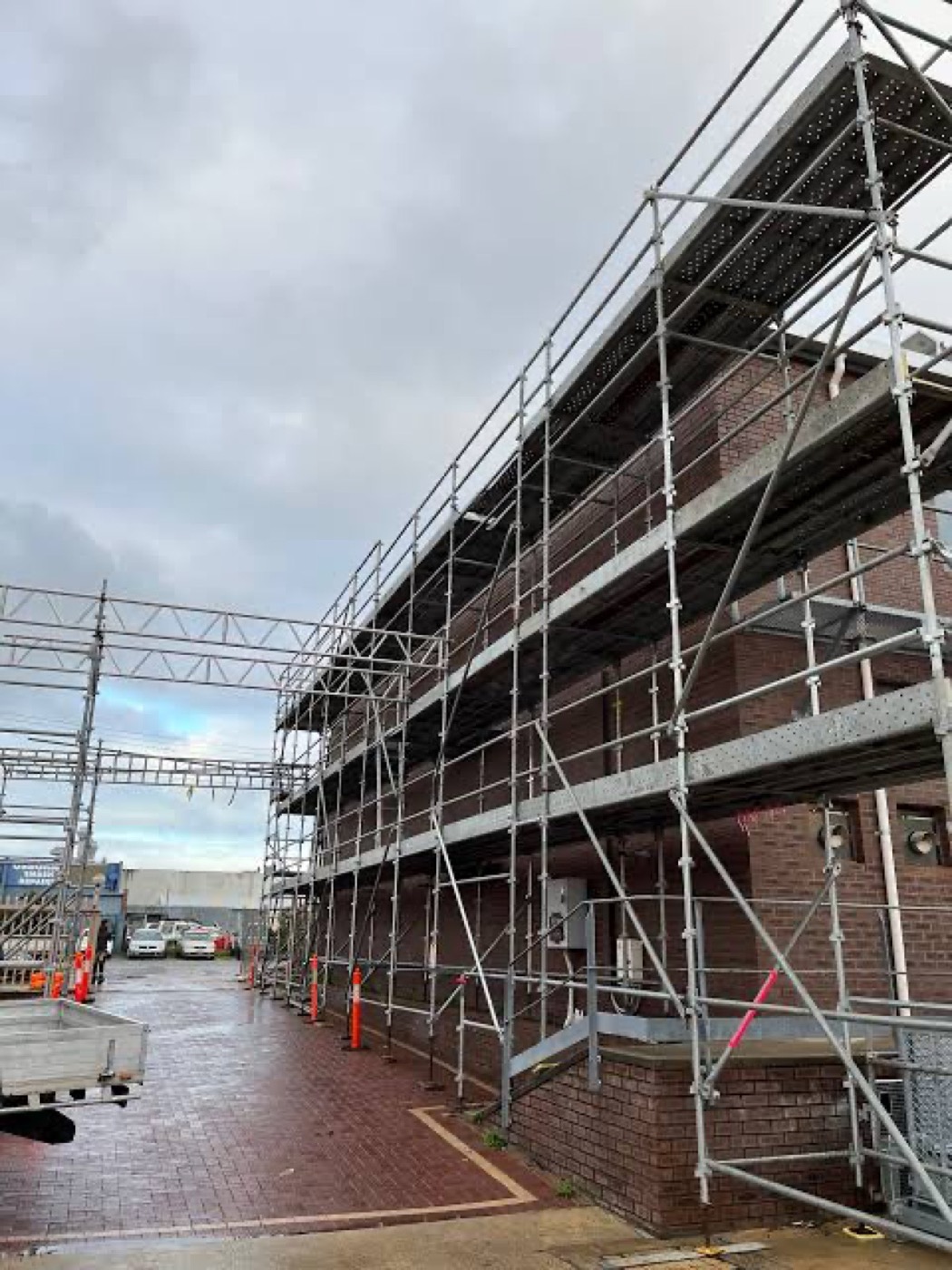
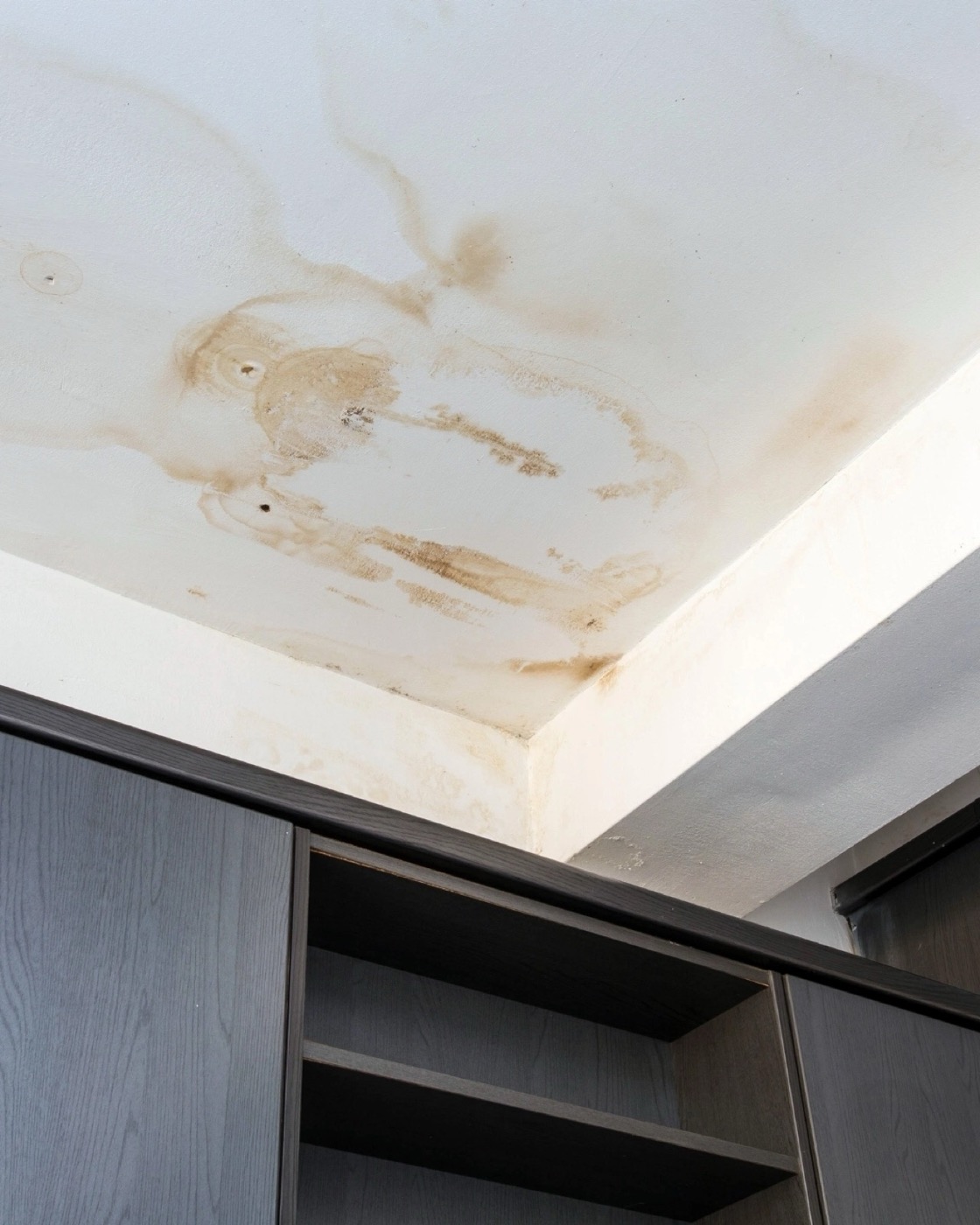
Remedial works are often the biggest spend an owners corporation makes. A clear tender process protects the committee, gets comparable prices and leads to a job done once. Here is how a well-run strata remedial tender works.
Step 1: Get a proper scope of works
Every builder must price the same thing. That means a written scope and specification from a remedial engineer or building consultant, based on an inspection and, where needed, testing. For Class 2 buildings, the scope often becomes the regulated design under the DBP Act.
A good scope includes:
- Drawings or marked-up photos showing each area.
- The repair method and materials for each item.
- Quantities, plus rates for items that cannot be measured until opened up, such as concrete cancer.
- Hold points for inspection.
- Access, working hours, resident protection and site rules.
- Documentation required at completion.
Step 2: Choose who to invite
- Three to five builders is usually enough.
- Choose builders who do remedial work, not general builders who occasionally do it.
- Check the builder's licence on the NSW Government register. See how to check a builder's licence.
- For Class 2 buildings, check registration as a building practitioner.
- Ask for similar strata projects and references.
Step 3: Site meeting
A joint site walk lets every tenderer see the building, ask questions and understand access. Questions and answers should be shared with all tenderers in writing.
Step 4: Compare tenders properly
Lay the tenders side by side, item by item:
- Have they priced every item in the scope?
- What are their rates for provisional items?
- What have they excluded or qualified?
- How long will the job take, and how will residents be affected?
- What warranties are offered on workmanship and products?
- Insurance: public liability, contract works and, where required, home building compensation cover.
The lowest price is not always the cheapest outcome. A low tender that excludes key items or has high rates for provisional work can end up costing more.
Step 5: Interview and decide
Shortlist two or three and meet them. Ask who will run the site day to day, how they handle variations and how they communicate with residents.
Step 6: Approval and contract
The owners corporation approves the contract and funding at a general meeting, often with a special levy. See getting owners to approve remedial works. A written contract with clear scope, price, variations process, program and warranties is essential.
Step 7: Supervision
The consultant inspects at hold points, approves variations and certifies progress claims. This independent check protects the owners corporation.
Tender with METCON
We regularly tender for strata remedial works across Sydney. We are licensed (384697C) and DBP registered (BUP4254812), and we price to your consultant's scope item by item. See our strata remedial service or call 0415 840 500.
Frequently asked questions
How many quotes should a strata get for remedial works?
Usually three to five tenders from builders who specialise in remedial work, all pricing the same written scope.
Who writes the scope of works for strata repairs?
A remedial engineer or building consultant, based on inspection and testing.
Should the strata choose the cheapest tender?
Not automatically. Compare scope coverage, exclusions, provisional rates, program, warranties and experience.