A property improvement plan, or PIP, sets out work a brand expects when a hotel joins, renews or changes hands. It usually concentrates on guest-facing standards. Owners still need to find the base building work beneath it.
Read each item twice
First ask what the brand wants to see. Then ask what must be sound for that finish to last. "Replace vanity" may involve old valves, damaged walls and waterproofing.
Sort the list
- Safety or law.
- Building condition.
- Brand requirement.
- Owner upgrade.
- Operating equipment.
The groups have different deadlines and may have different people paying.
Inspect before agreeing dates
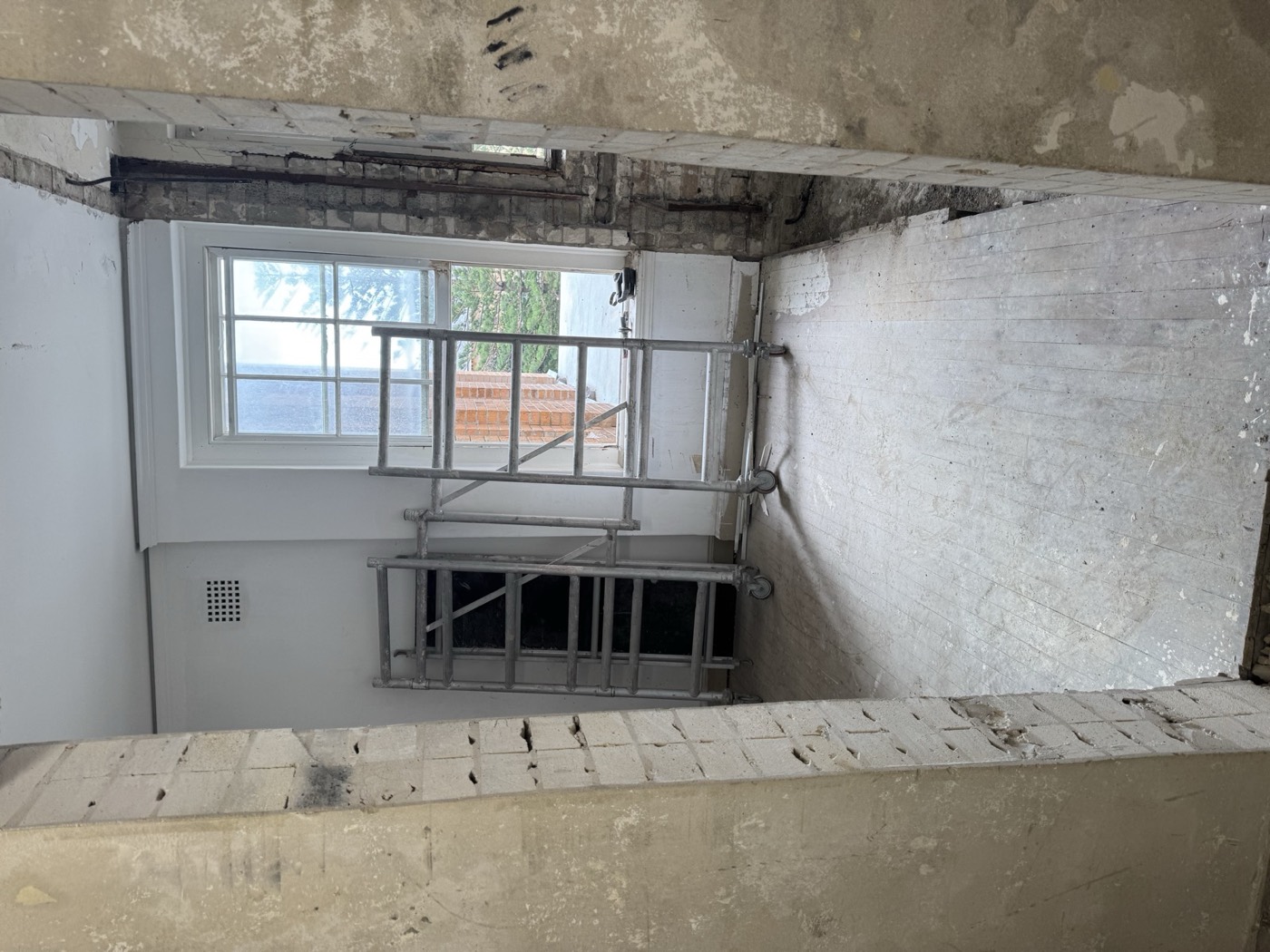
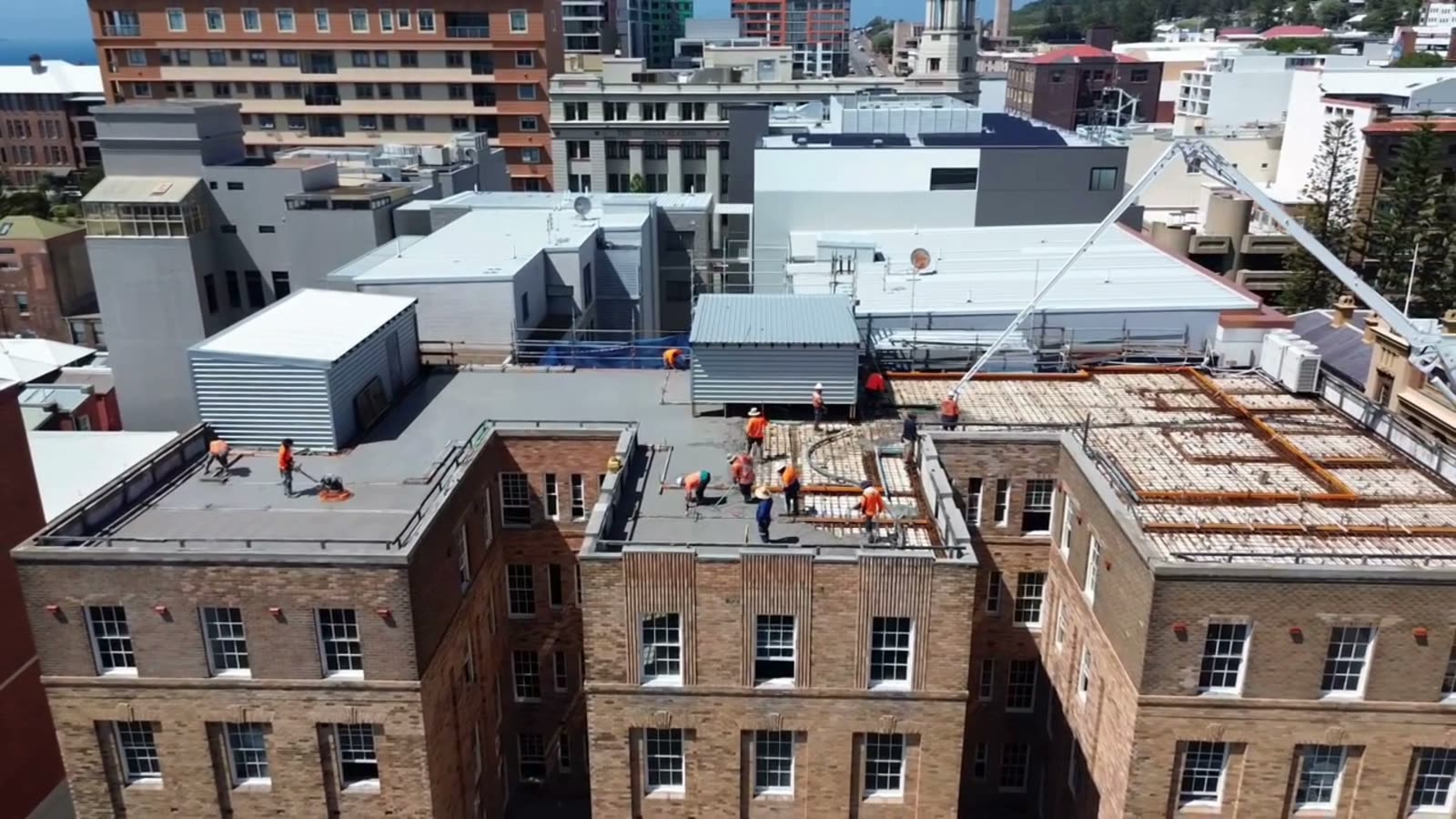
Open representative rooms, check isolation valves, survey roofs and facades, and allow for approvals. A deadline based on a one-day walk can put construction pressure on an unsafe or untested detail.
Price in packages
Keep sample room, bathrooms, corridors, public areas and building repairs separate. This shows what can be moved and makes negotiations clearer.
Ask for equivalent options
Where an old building cannot easily take a standard detail, prepare the reason, drawings and an alternative early. Do not build it first and request acceptance later.
Keep proof
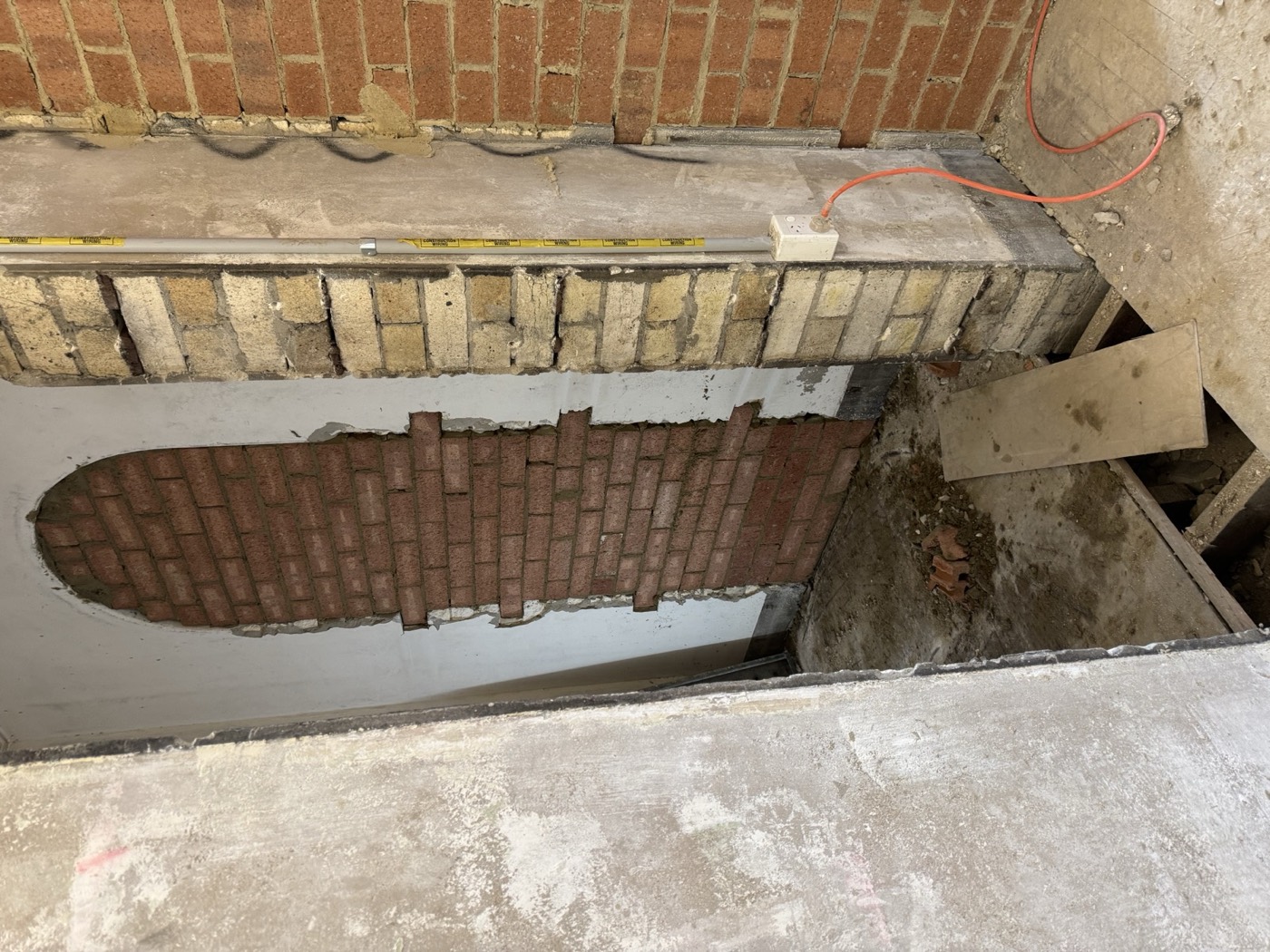
Use the PIP item number on drawings, photographs, invoices and completion records. Hidden work should be photographed before it is closed.
During a purchase
A buyer should price both the PIP and the building condition. One does not replace the other. See hotel due diligence and capex planning.
Call 0415 840 500 or book an inspection. METCON is a licensed NSW builder (384697C) and DBP registered (BUP4254812).
Frequently asked questions
Does a PIP include structural repairs?
Not necessarily. It may assume the building is sound unless an inspection says otherwise.
Can PIP works be staged?
Often, subject to the agreement and the brand's approval.
Who pays for hidden defects?
Sale, lease, management and franchise terms can all matter. Get legal advice.