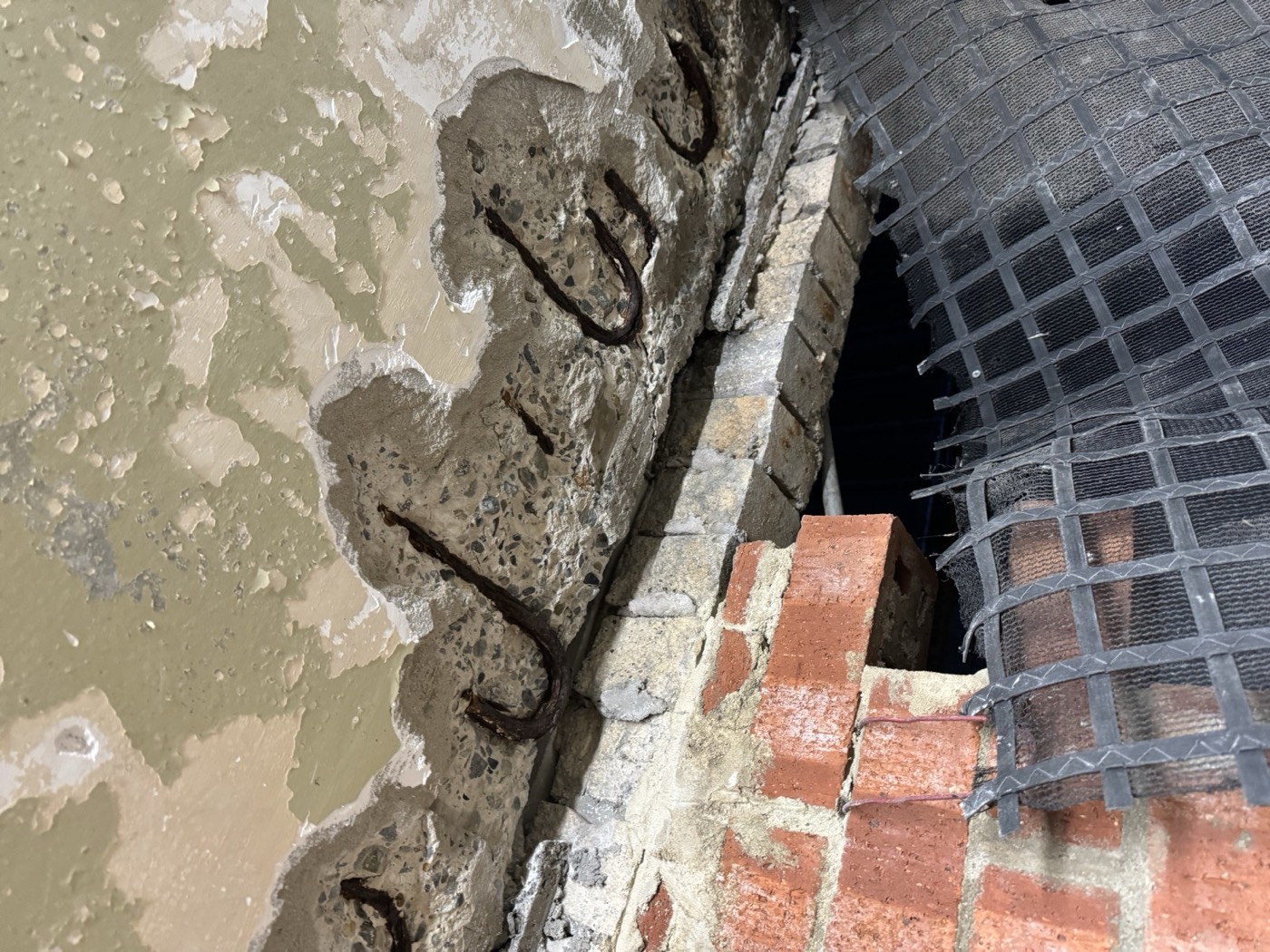
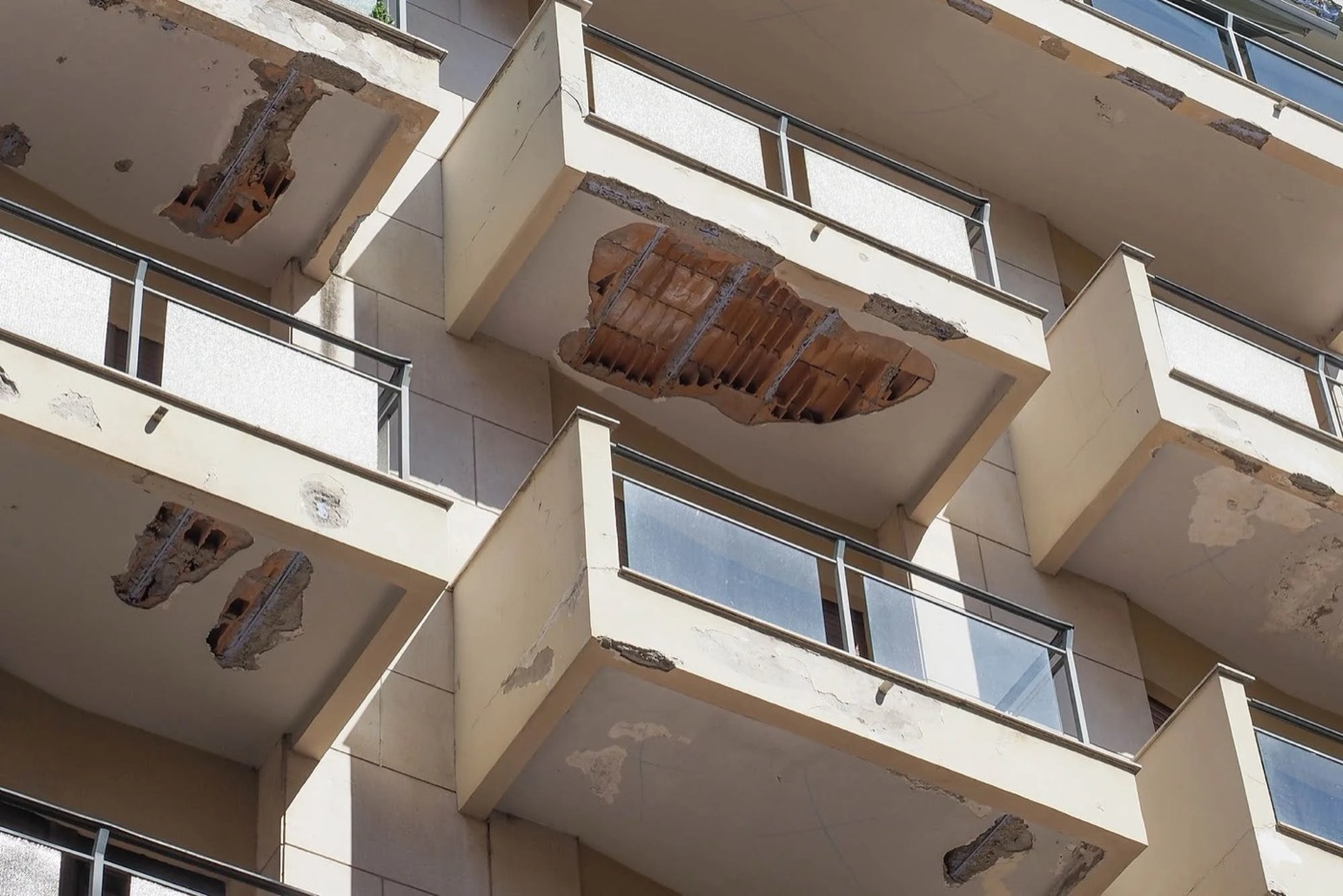
Concrete cancer repairs fix the damage you can see. To slow down new damage across the rest of the concrete, engineers often specify a protective treatment over the whole surface. The two most common are anti-carbonation coatings and penetrating sealers.
Anti-carbonation coatings
These are elastomeric or acrylic coatings designed to slow carbon dioxide getting into concrete. Carbonation lowers the alkalinity that protects the steel, so slowing it slows corrosion. Good coatings also shed rain and can bridge fine cracks. They look like paint, so they double as the finish colour. See elastomeric coatings.
Penetrating sealers
Silane and siloxane sealers soak into the surface and make it water repellent without forming a film. They reduce the amount of water and dissolved salt that can get in, which matters most in coastal buildings where chlorides are the main problem. They do not change the look much, so they suit off-form concrete, sandstone-coloured finishes and areas where a painted look is not wanted.
Which one?
- Carbonation is the main issue: an anti-carbonation coating is usually specified.
- Chlorides and salt spray are the main issue: a penetrating sealer, sometimes with a coating over it.
- Exposed aggregate or natural finish to keep: a clear penetrating sealer.
- Many projects use both: sealer first, coating on top.
Getting it right
- Repairs must be finished and cured first.
- Surfaces must be clean, sound and dry enough for the product.
- Application rates and number of coats must follow the manufacturer.
- Cracks need repairing, not just painting over.
Maintenance
No coating lasts forever. Coatings need inspecting and recoating over time, usually alongside the building's repaint cycle. Put it in the capital works fund plan. See capital works planning.
Repairs and protection together
We complete concrete repairs and apply the specified protective coatings or sealers in one program, so the access is only set up once. See facade repairs. METCON is a licensed builder (384697C) and DBP registered (BUP4254812) for Class 2 apartment buildings. Call 0415 840 500 or book an inspection.
Frequently asked questions
Is an anti-carbonation coating just paint?
It looks like paint but is formulated to resist carbon dioxide and water, and is usually applied thicker. Normal paint does much less.
How long do protective coatings last?
It depends on the product, exposure and application. Plan to inspect them regularly and recoat with the repaint cycle.
Can coatings stop existing concrete cancer?
No. Existing damage must be repaired first. Coatings slow new deterioration.