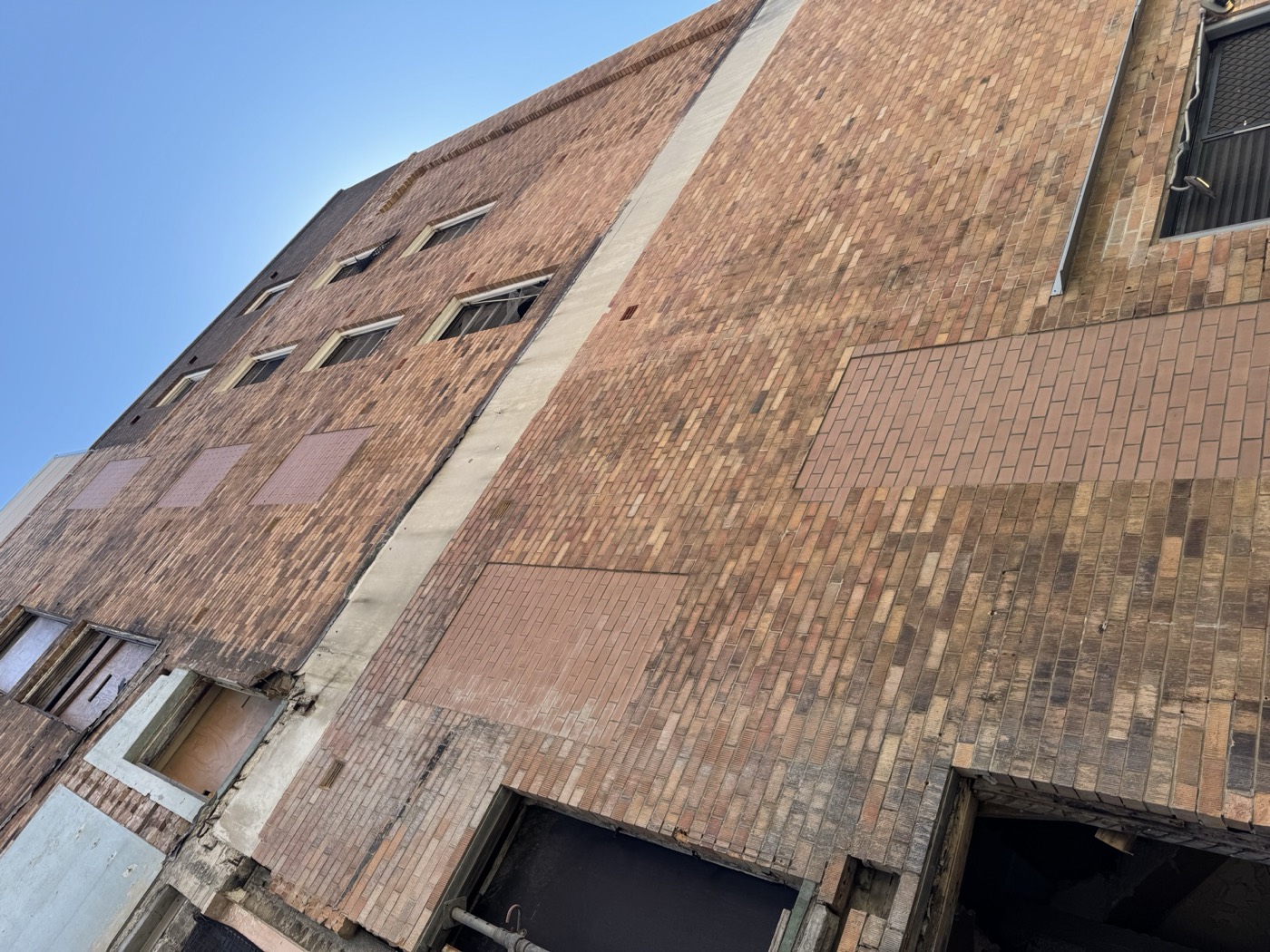
Many Sydney apartment blocks from the 1950s to the 1980s are cavity brick. The outer and inner skins of brick are joined by metal wall ties. Over decades, especially near the coast, the ties rust. When enough fail, the outer skin can crack, bulge and in the worst cases come away.
Signs of corroded wall ties
- Horizontal cracks in mortar joints at regular heights.
- Bulging or bowing brickwork.
- Cracks at corners and around windows.
- Rust staining on mortar joints.
- Brickwork that sounds loose or moves.
Why ties rust
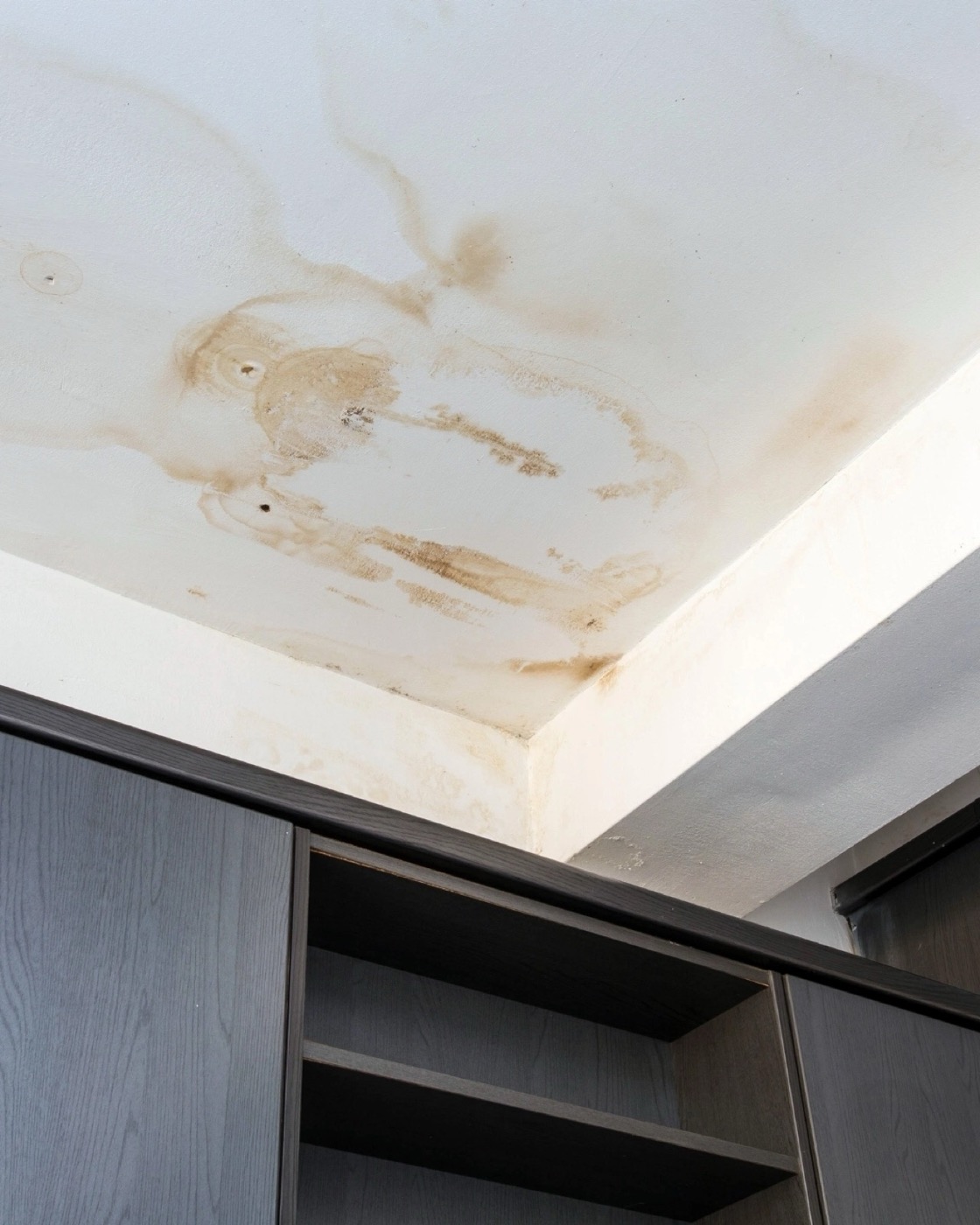
Older ties were often galvanised steel with limited protection. Salt air, wet cavities, blocked weep holes and poor mortar speed up corrosion. Coastal and harbourside buildings are hit hardest. See salt damage near the harbour.
Testing
A specialist inspection removes bricks or uses a borescope through small holes to see the ties, at sample locations around the building. That shows how widespread the problem is before a scope is written.
Replacement methods
- Retrofit ties: stainless steel helical or mechanical ties installed through the outer skin into the inner skin, without rebuilding the wall.
- Isolating old ties: where needed, so they stop rusting and cracking the brickwork.
- Rebuilding: sections of badly damaged brickwork are taken down and rebuilt with new ties.
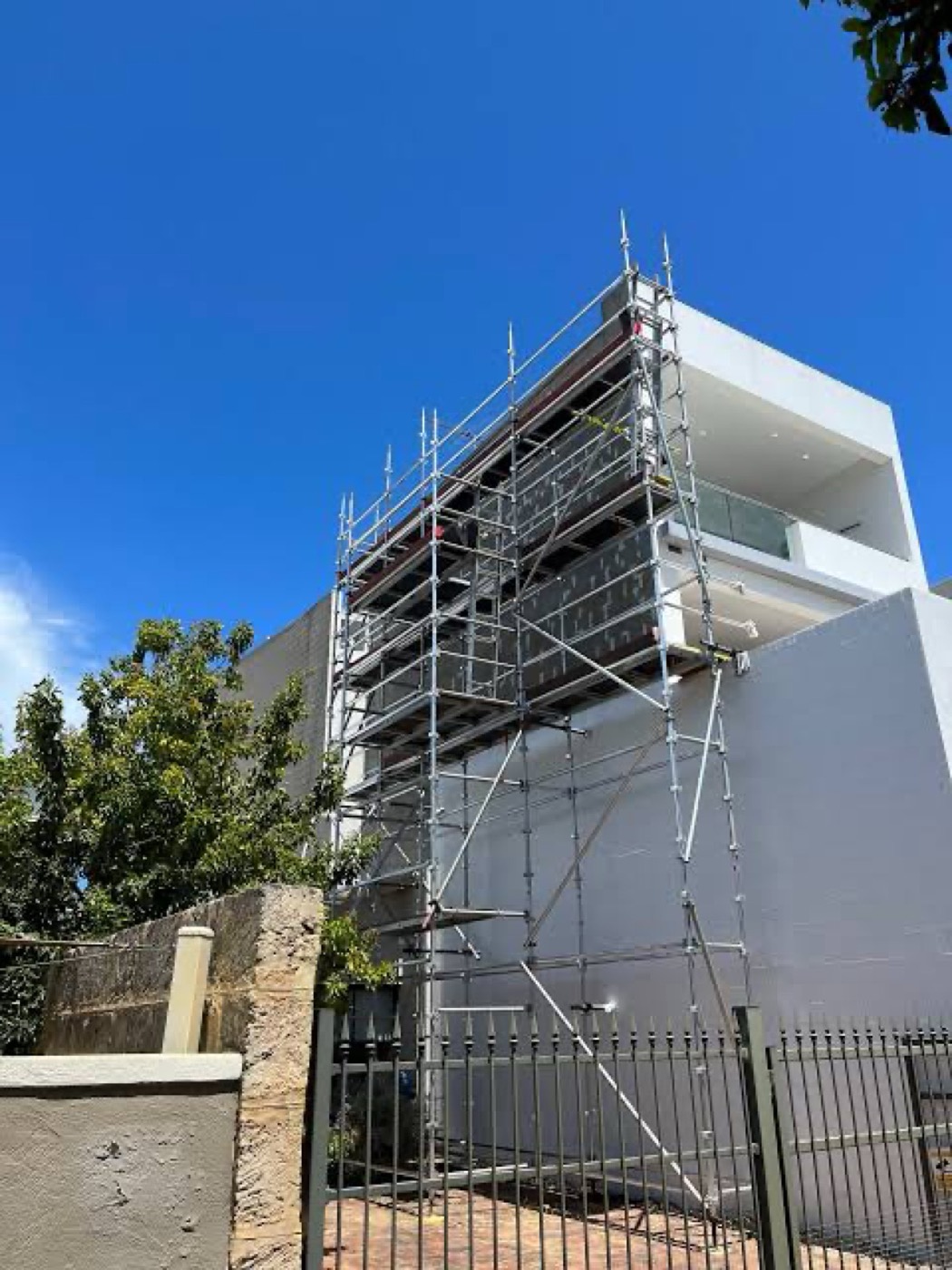
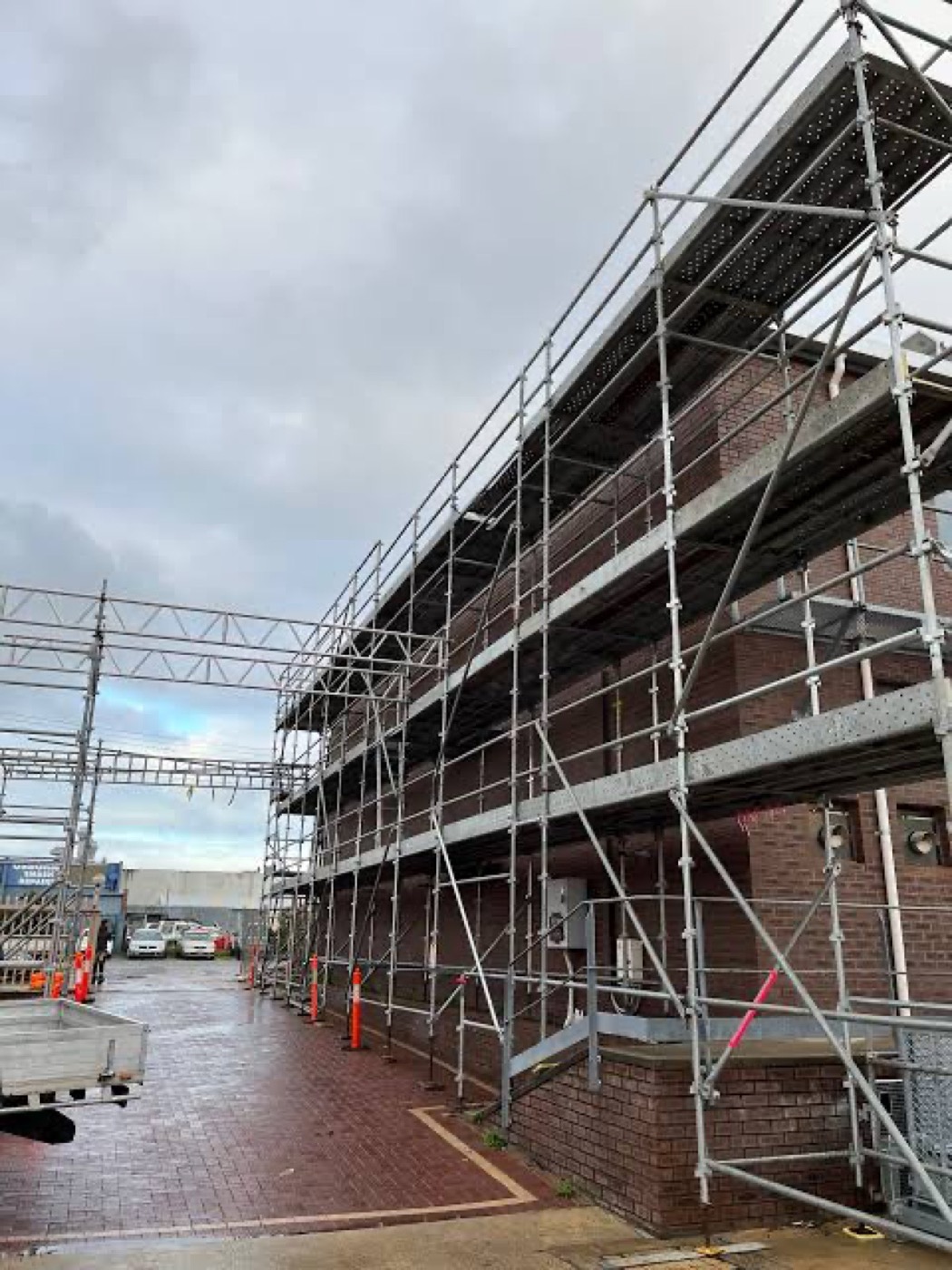
Retrofit work is done from the outside, so residents stay put. It needs scaffold or swing stages.
Do it with other facade work
Wall tie works pair well with repointing, lintel replacement, weep hole clearing and repainting, sharing the access cost. See wall ties explained.
Wall tie replacement for strata
We assess and replace wall ties on apartment buildings with engineering input. See brickwork repairs and strata remedial works. METCON is a licensed builder (384697C) and DBP registered (BUP4254812) for Class 2 apartment buildings. Call 0415 840 500 or book an inspection.
Frequently asked questions
Is wall tie failure dangerous?
It can be, especially at height. If brickwork is bulging or moving, keep the area below clear and get it assessed quickly.
Do all ties need replacing?
Not always. Sampling shows how widespread corrosion is. The engineer then sets the scope.
Will the new ties be visible?
Retrofit ties are installed in mortar joints and patched, so they are hard to see once finished.