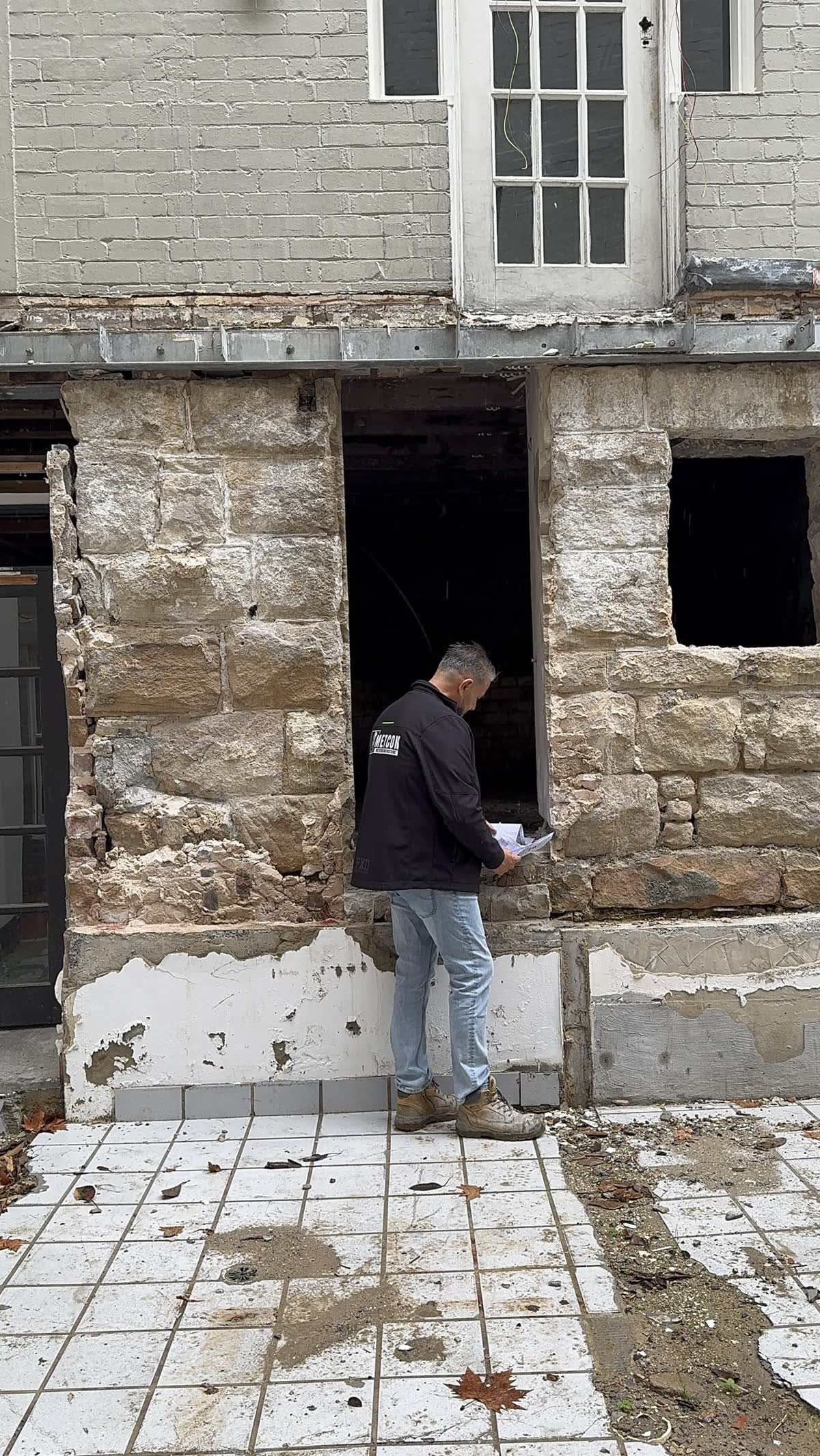
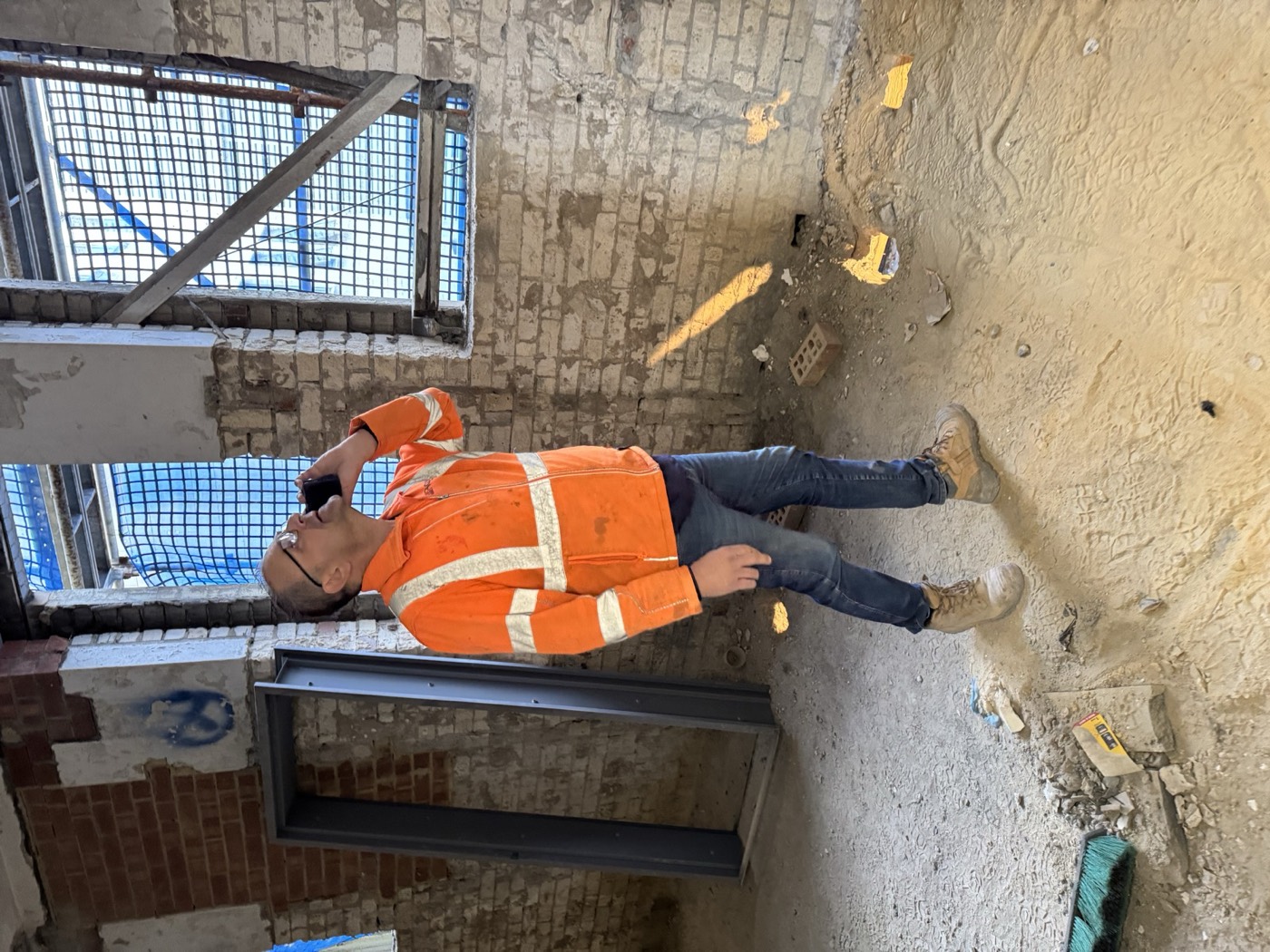
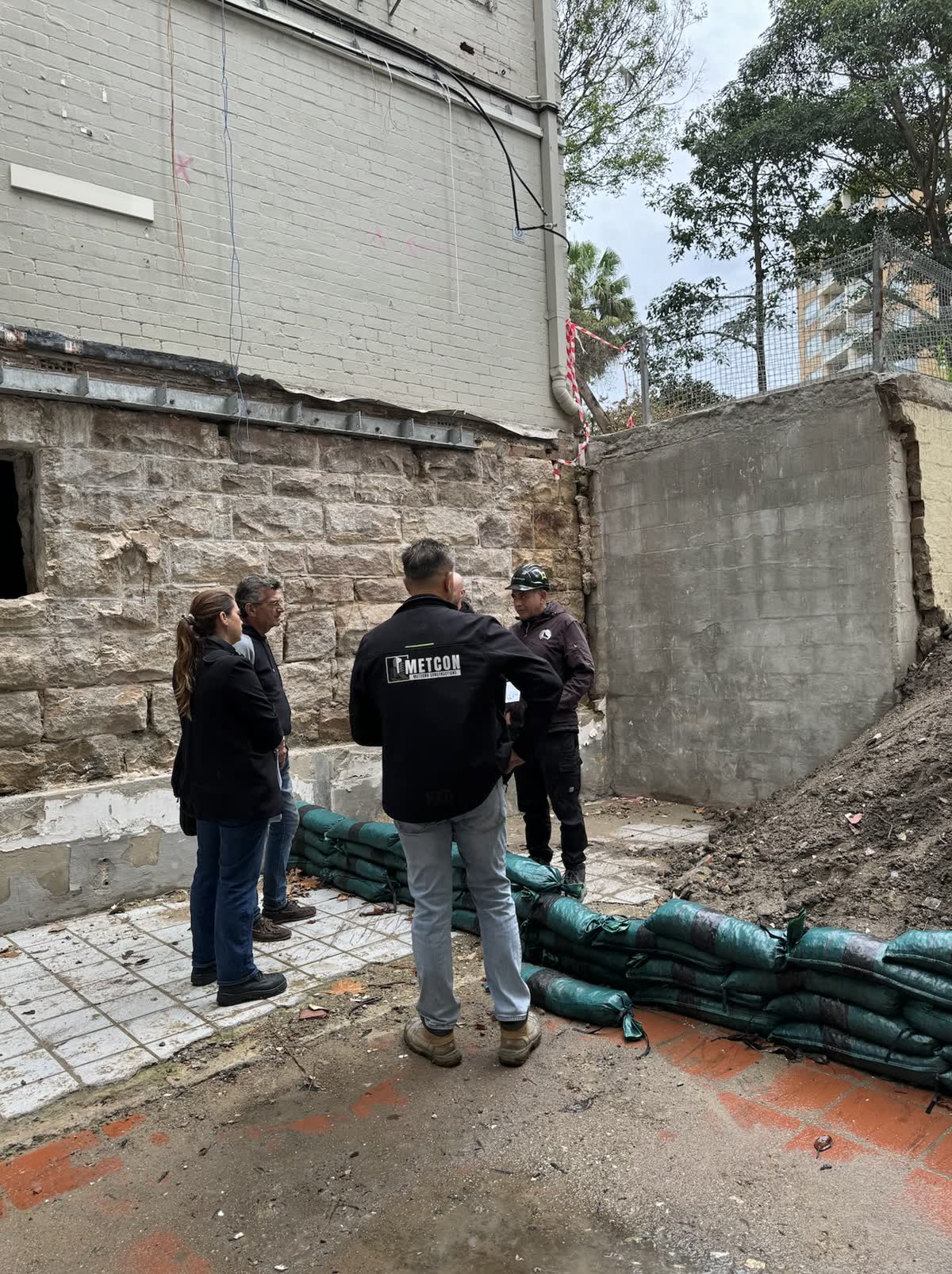
If you are taking a builder to the NSW Civil and Administrative Tribunal (NCAT), or defending a claim, the expert report is usually the most important document in the case. The Tribunal member is not a builder. They rely on expert evidence to decide what is defective, why, how it should be fixed and what that will cost.
Do you need an expert report?
For almost every defect claim, yes. NCAT's home building guideline says applicants should only lodge once they have obtained all the necessary expert reports. Photos and a letter of complaint show there is a problem. An expert report proves it.
| Amount in dispute | What usually happens |
|---|---|
| $30,000 or less | Listed for conciliation and hearing. Expert evidence still helps, but formal expert rules may not apply unless directed. |
| Over $30,000 | Listed for directions. NCAT Procedural Direction 3 applies to expert evidence. |
| Up to $500,000 | The general limit for home building claims at NCAT. |
What the report must include
Procedural Direction 3 lists what an expert's report must contain. In summary:
- An acknowledgement that the expert has read the experts' code of conduct and agrees to be bound by it.
- The expert's name, address and qualifications.
- Any relationship with the party, and any actual or perceived conflict of interest.
- The instructions and documents the expert was given.
- The facts and assumptions the opinions are based on.
- The reasons for each opinion, and any tests or investigations relied on.
- A declaration that the expert has made all appropriate inquiries.
- For building work, the scope of any recommended rectification, the likely cost and how it was calculated, and whether there is a reasonable alternative remedy.
- Disclosure of any use of generative AI, as required by Procedural Direction 7.
See Procedural Direction 3 explained.
What makes a report persuasive
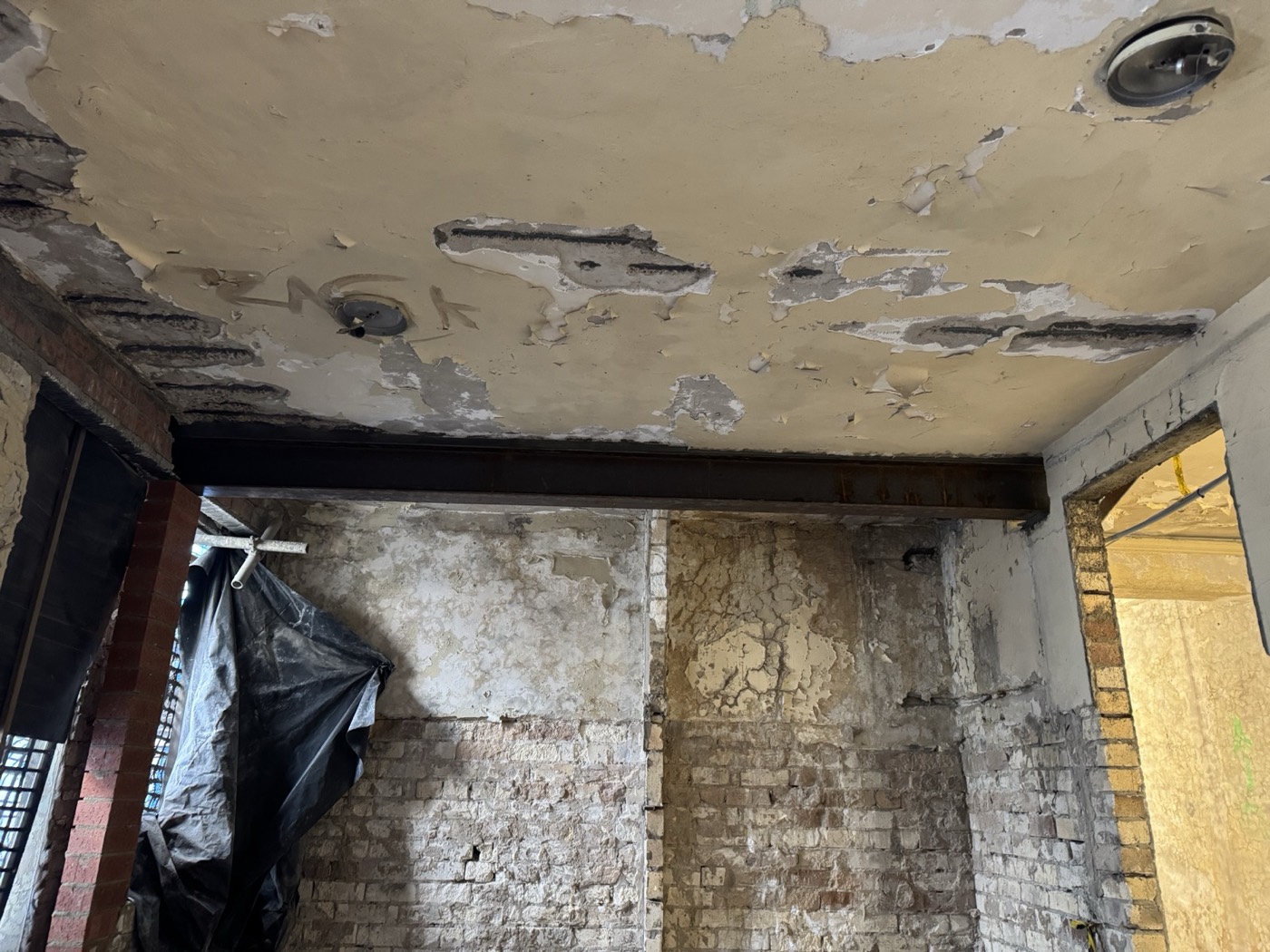
- Every item is located and photographed. The member should be able to find each defect.
- Every opinion has reasons. Not just "defective", but which plan, contract term, code clause or standard it fails, and why.
- The costs are itemised. A lump sum is easy to attack. Item-by-item costs can be allowed one at a time.
- It is balanced. An expert's duty is to the Tribunal, not to you. A report that calls everything a defect loses credibility in a conclave.
How long does it take?
Allow a few weeks from instruction to final report for a typical house, longer for apartment buildings or long defect lists. If you already have a hearing date or a direction to file evidence, tell the expert straight away.
What to send your expert
- The building contract, plans and specifications.
- Variations, invoices and payment records.
- Correspondence with the builder about the defects.
- Any Fair Trading report or previous inspection reports.
- Any NCAT directions and their dates.
After the report
The Tribunal may direct a Scott Schedule, a conclave of experts or a joint report. A good report makes all of these quicker and cheaper.
NCAT expert reports in Sydney
We prepare NCAT expert reports written to Procedural Direction 3, with fixed-price, itemised rectification costs. See NCAT expert reports. METCON is a licensed builder (384697C) and DBP registered (BUP4254812), and we fix building defects for a living. Call 0415 840 500 or request a report or quote. We confirm a fixed fee before we start.
This article is general information, not legal advice. For your situation, speak to a lawyer, NSW Fair Trading or the Tribunal.
Frequently asked questions
How much does an NCAT expert report cost?
It depends on the property, the number of defects and the documents to review. Ask for a fixed fee in writing before the inspection so you know the cost upfront.
Can my builder's quote be used instead of an expert report?
A quote helps prove cost, but it usually does not explain why the work is defective. For claims over $30,000, a report that follows Procedural Direction 3 carries much more weight.
Does the expert have to agree with me?
No. The expert's duty is to the Tribunal. An honest, reasoned report is more persuasive than one that simply takes your side.