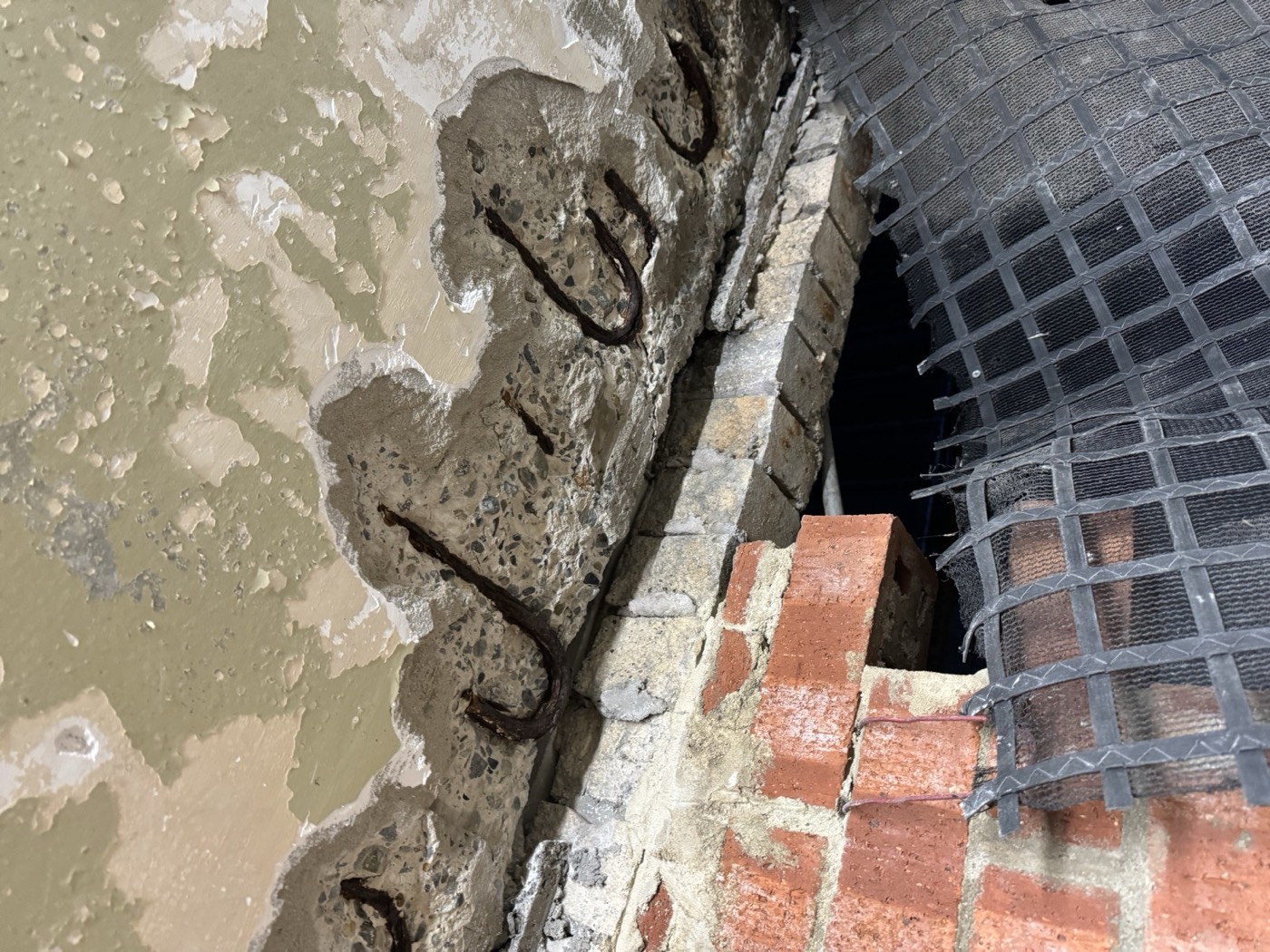
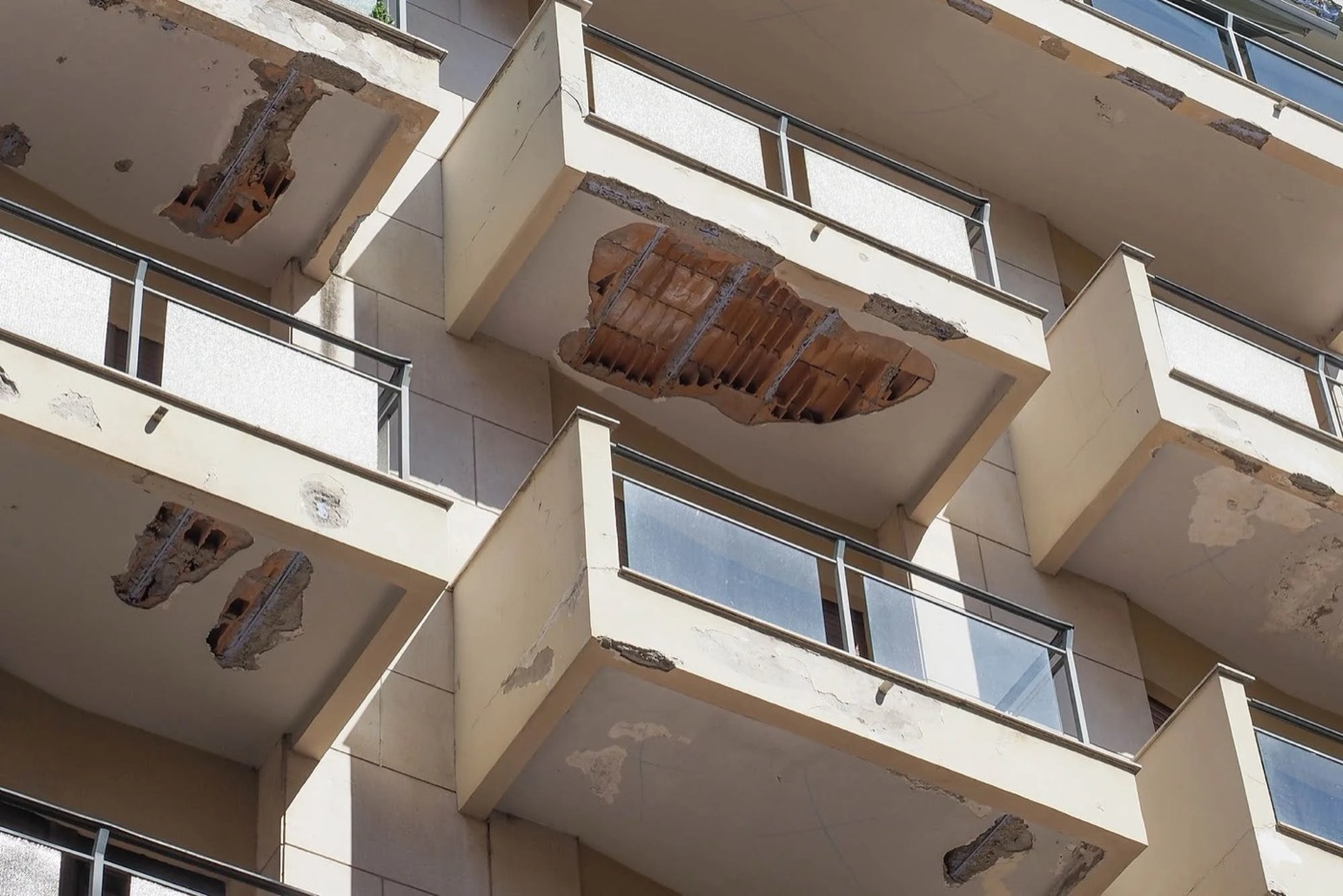
Magnesite was a popular floor topping in Sydney apartment buildings from about the 1950s to the 1970s. It was laid over the concrete slab as a smooth base for carpet, lino or tiles. It works well while dry. Once moisture gets into it, it can release chlorides that attack the reinforcing steel in the slab underneath.
Signs of a magnesite problem
- Cracked, lifting or drummy floor tiles, often near bathrooms, kitchens or balcony doors.
- Uneven or crumbly floor surfaces under old carpet or lino.
- Cracks or rust stains on the ceiling of the unit below.
- Spalling concrete on the soffit below wet areas.
Testing first
Because magnesite looks like concrete, it is often missed. A sample can confirm it, and chloride testing of the slab shows how far the damage has spread. Some magnesite was mixed with asbestos fibre, so it should be tested for asbestos before anyone cuts or grinds it. Any asbestos removal is done by a licensed removalist.
Who is responsible
In many strata plans the magnesite topping and the slab are common property, so repairs are usually the owners corporation's responsibility. It depends on the strata plan and any by-laws, so check before work starts. See who is responsible for repairs.
How it is repaired
- Asbestos test, and licensed removal if needed.
- The magnesite is removed back to the structural slab.
- Concrete damaged by chlorides is cut out and the steel treated or replaced.
- The engineer may specify corrosion protection, such as galvanic anodes, where chlorides remain.
- A new screed or levelling layer is laid, then waterproofing in wet areas, then finishes.
Plan it with renovations
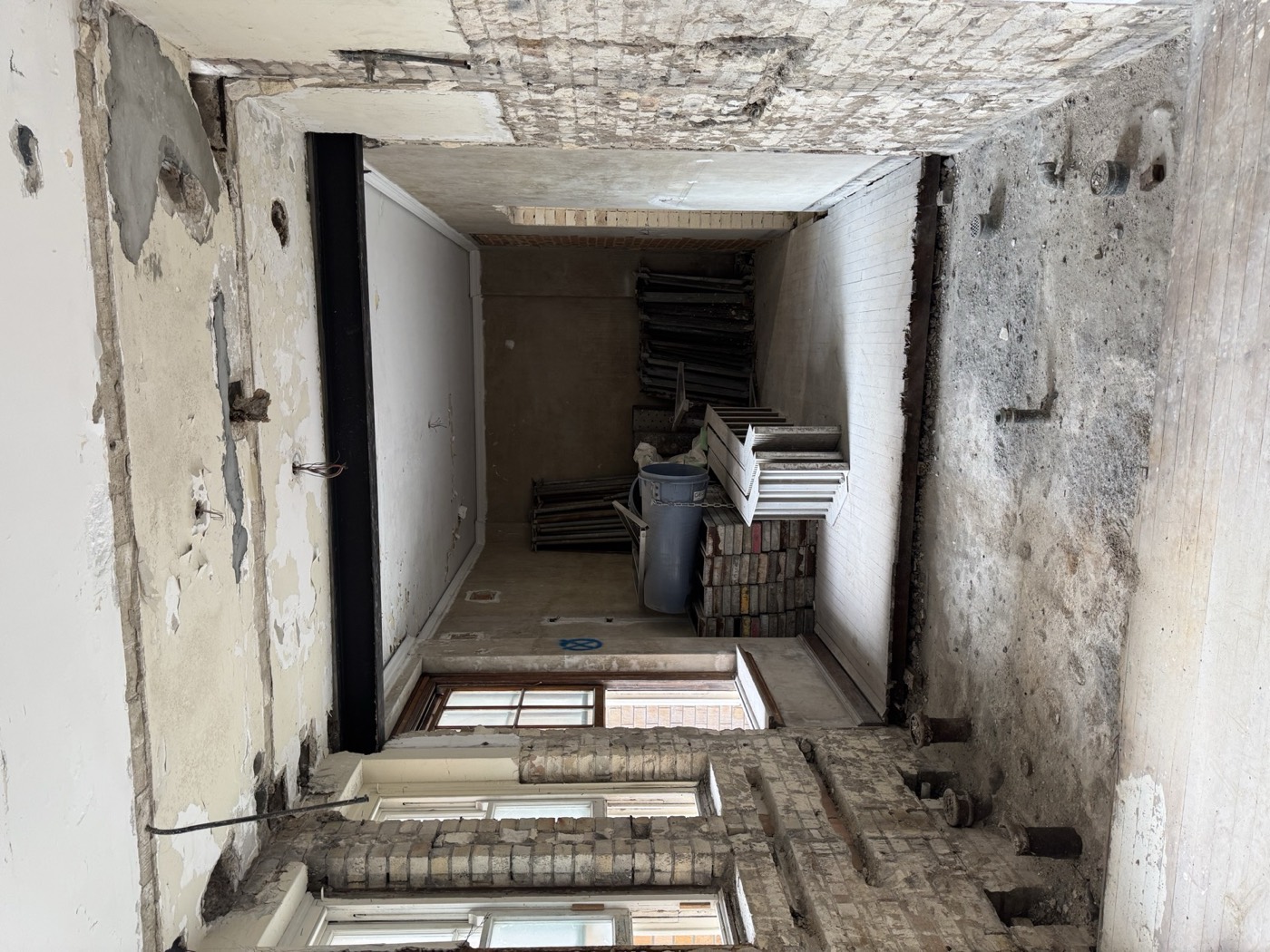
Magnesite is often discovered when an owner renovates a kitchen or bathroom. Stop and tell the strata manager. Fixing the slab properly before the new finishes go down avoids paying twice. See found concrete cancer during a renovation.
Magnesite repairs
We remove magnesite toppings, repair the slab and reinstate floors in occupied apartment buildings, working with the engineer and strata manager. See concrete cancer repair. METCON is a licensed builder (384697C) and DBP registered (BUP4254812) for Class 2 apartment buildings. Call 0415 840 500 or book an inspection.
Frequently asked questions
How do I know if my floor is magnesite?
Age is the first clue: buildings from about the 1950s to the 1970s. A sample tested by a lab confirms it. It is often pinkish or grey and softer than concrete.
Does magnesite contain asbestos?
Some does. Always test before cutting, grinding or removing it.
Can we just tile over it?
Not if it is damp or the slab is corroding. The problem continues underneath and will crack the new tiles.