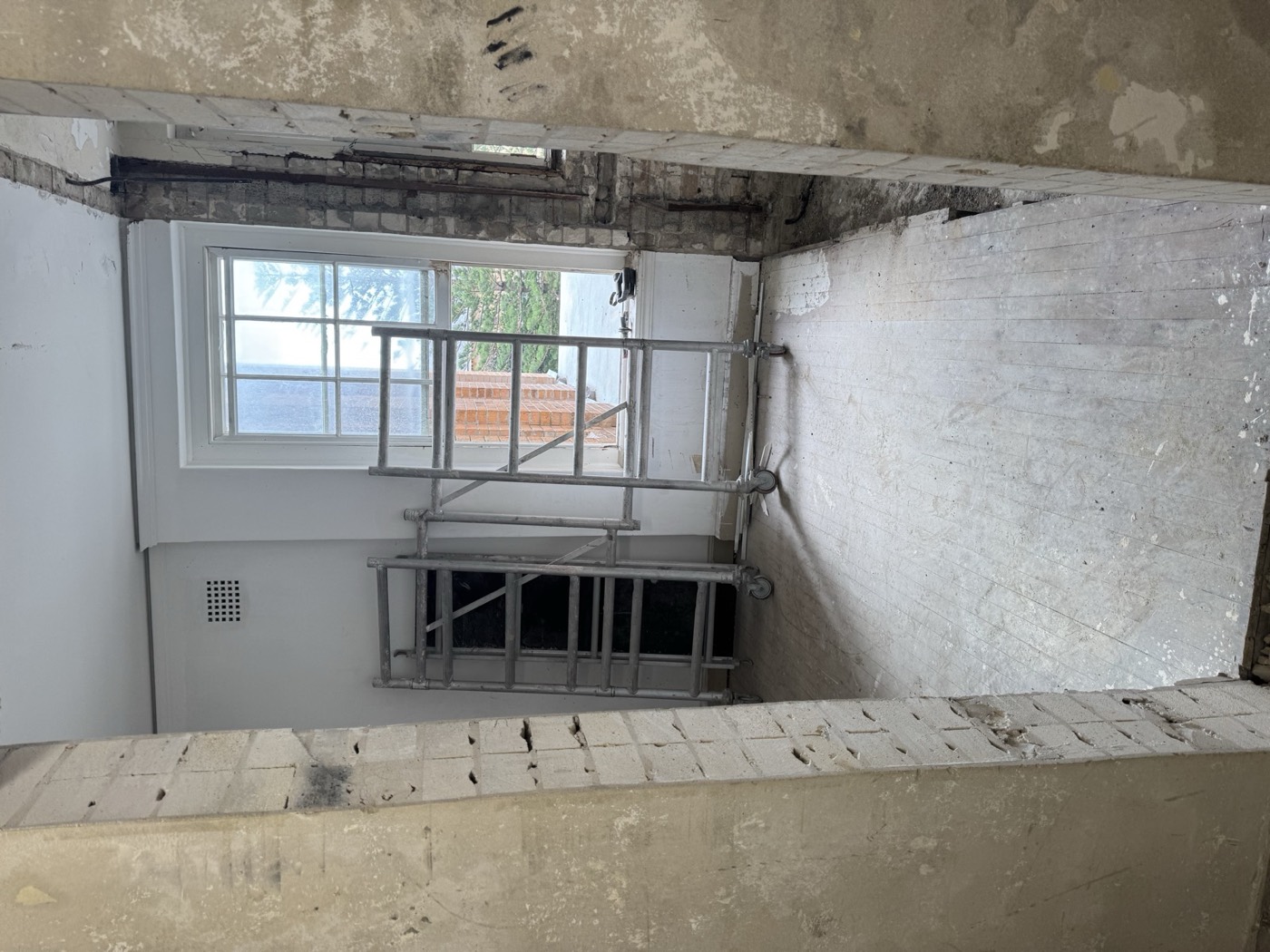
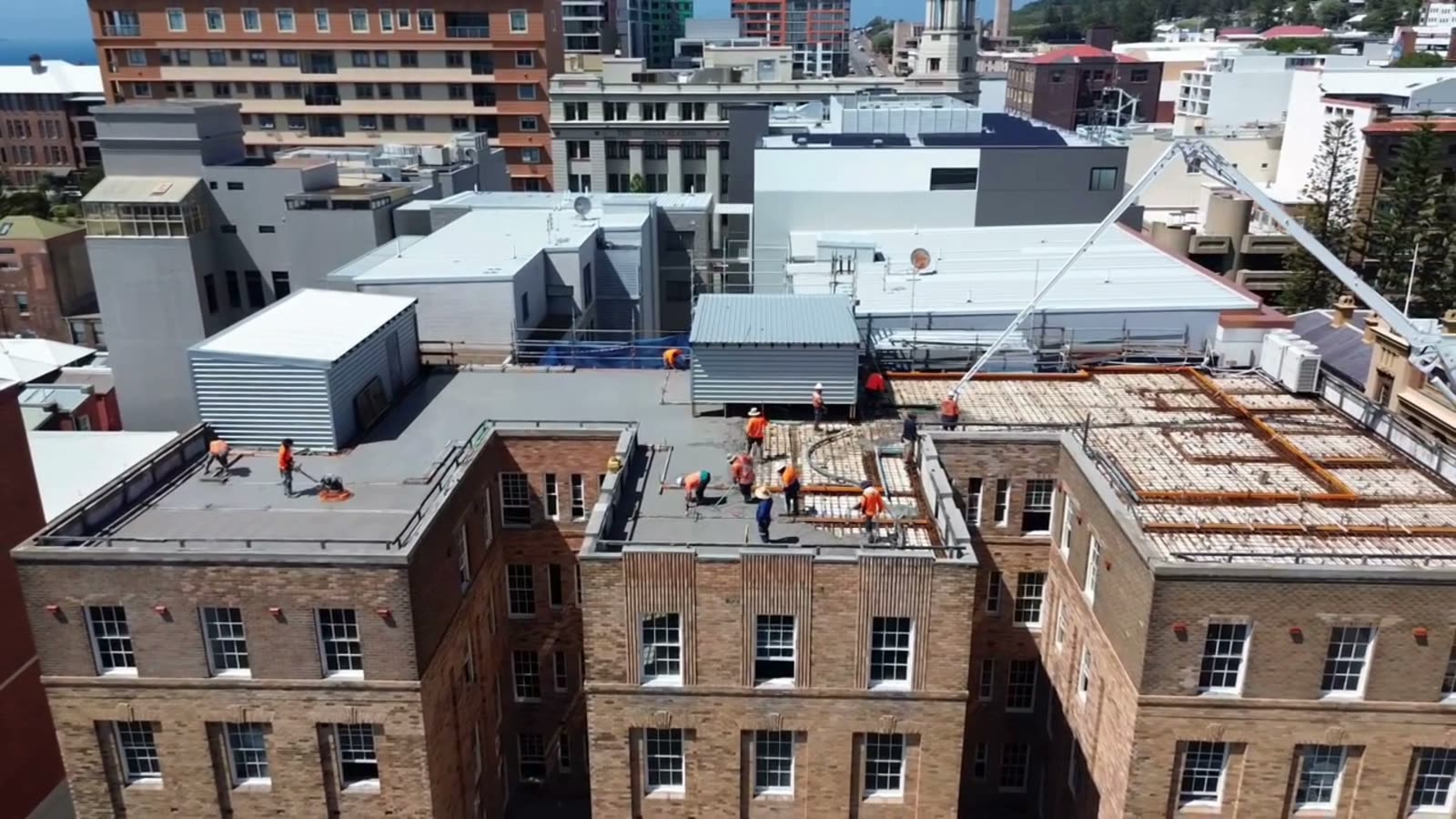
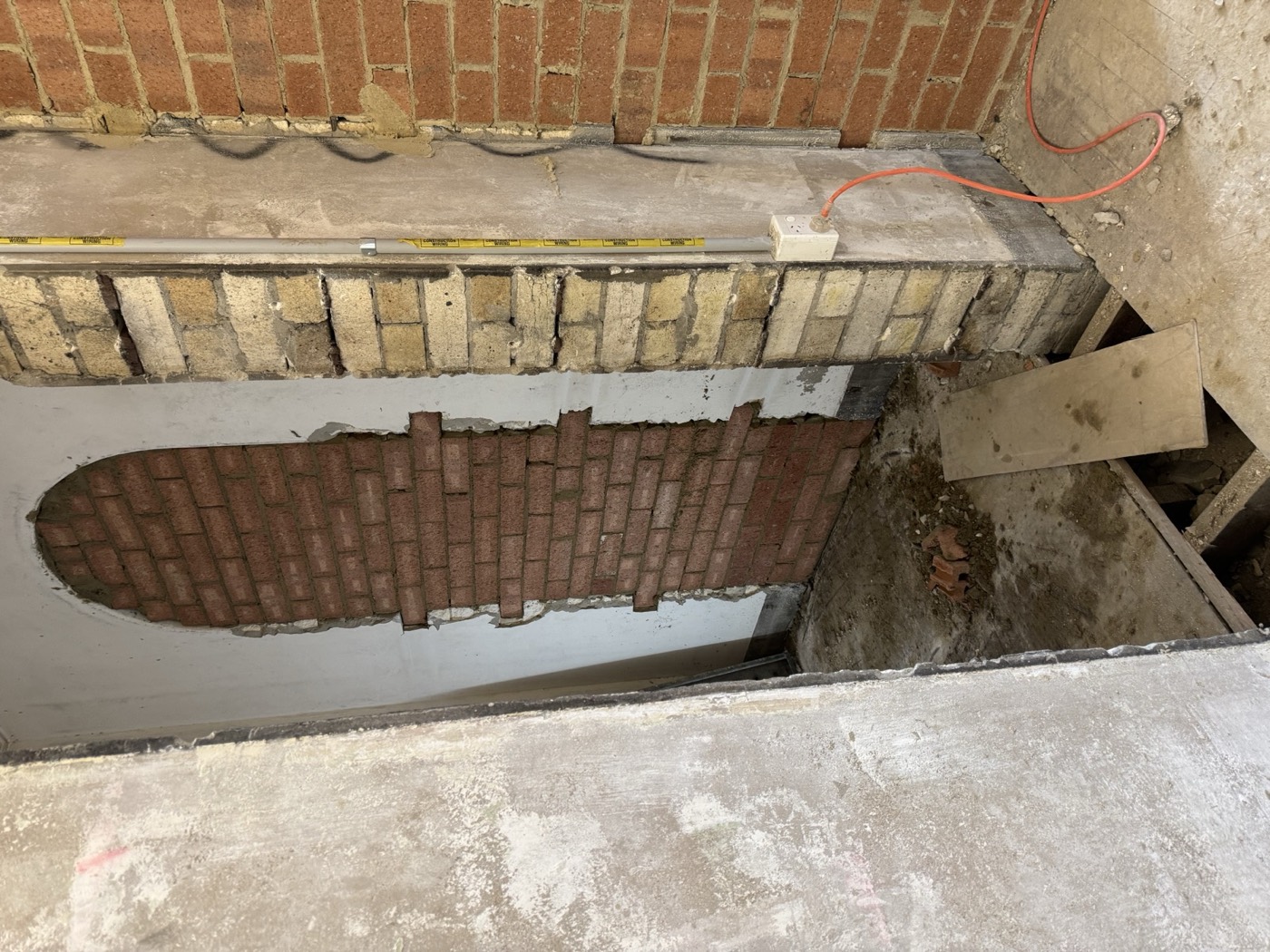
A quote for hotel repairs is only part of the cost. Closed rooms, moved bookings, kitchen shutdowns and guest complaints can exceed the trade package if staging is poor.
Define the operational envelope
Set check-in hours, quiet times, loading access, event dates, fire exits and rooms that must stay available. Give this to tenderers as part of the scope.
Investigate above and below finishes
Corrosion behind a bathroom or balcony may affect the beam below. Work with the engineer to choose representative rooms, then use findings to set quantities for the rest.
Stage by systems
A vertical bathroom stack may share plumbing, ventilation and waterproofing. Closing every second room can be less useful than closing one riser and completing it.
A simple decision table
- Urgent risk: make safe immediately.
- Repeated hidden defect: test more locations before full program.
- Revenue-critical space: plan off-peak or temporary facilities.
- Reusable finish: remove, label and store before demolition.
Protect finished rooms
Separate rubbish, guest and completed-room routes. A long corridor used for demolition after carpet is laid creates preventable rework.
Measure progress in useful units
Report rooms made safe, rooms ready for finishes and rooms handed back, rather than one building-wide percentage. The hotel can then make realistic booking decisions.
METCON's published case study covers the Great Northern Hotel. See hotel work while trading and structural remediation.
Call 0415 840 500 or book an inspection. METCON is a licensed NSW builder (384697C) and DBP registered (BUP4254812).
Frequently asked questions
Can a hotel remain open?
Often, with defined closures, but structural risk and fire exits decide the limits.
Should rooms be repaired one at a time?
Not always. Vertical stacks and shared services can make grouped stages better.
Who estimates lost revenue?
The operator should supply the booking impact, separate from the builder's work price.