Most renovation stress comes from surprises: hidden damage, approvals that take longer than expected, and costs that creep. Good planning removes most of them.
1. Decide what you really need
List what is not working: space, light, layout, kitchen, bathrooms, storage. Separate needs from wants. This drives the design and the budget.
2. Check the house first
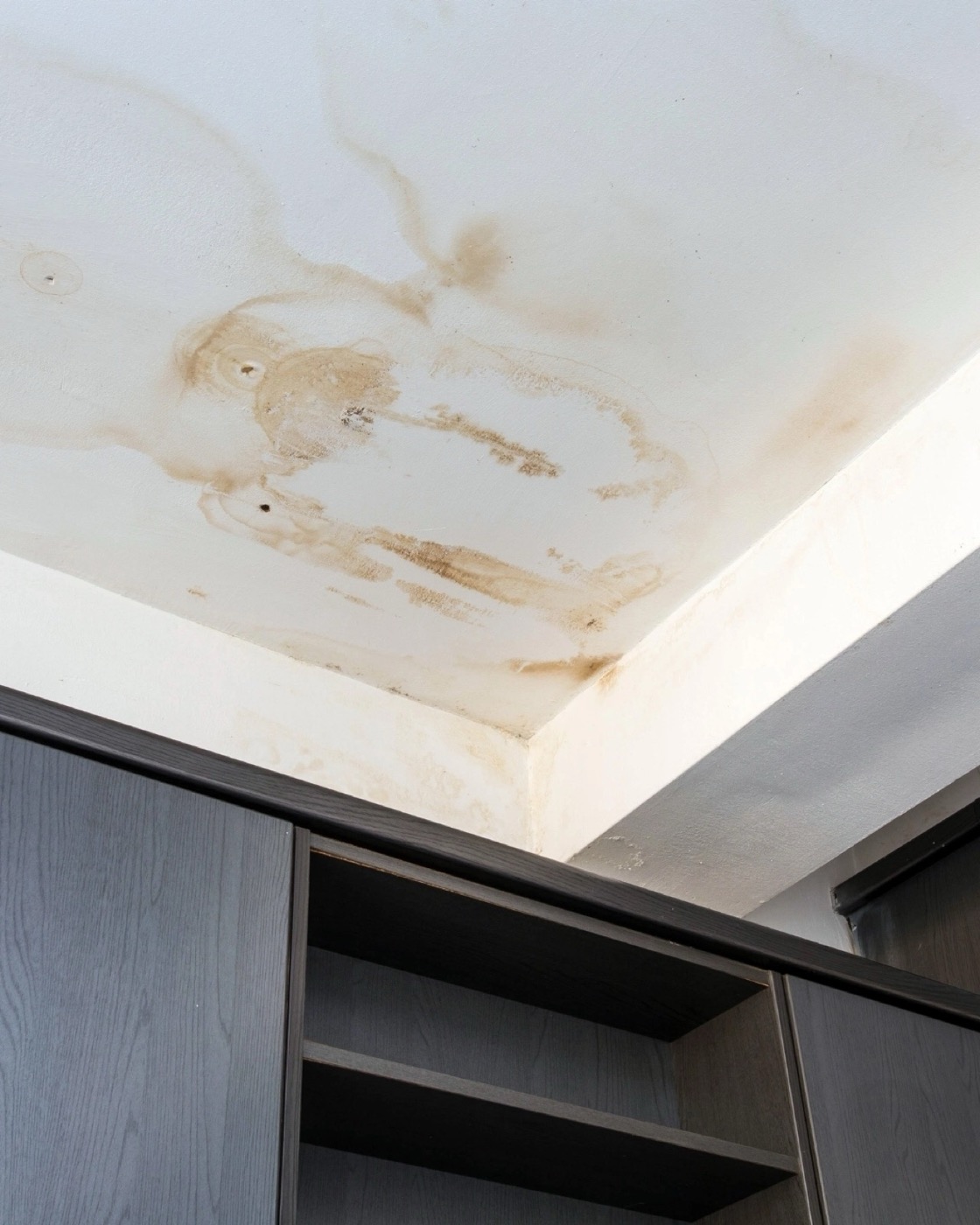
Before designing finishes, check the building: structure, damp, termites, roof, wiring and plumbing. Older Sydney homes often hide rising damp, failed footings or corroded lintels. Fixing these first protects everything you spend later.
3. Set a realistic budget
- Get an itemised quote, not a square-metre guess.
- Allow a contingency for hidden problems, especially in older homes.
- Include design, engineering, approvals and certifier fees.
- Budget for living elsewhere if needed.
4. Approvals
Some internal renovations need no approval, while structural changes, extensions and work in heritage areas usually need a CDC or DA. See DA vs CDC in NSW.
5. The right order of works
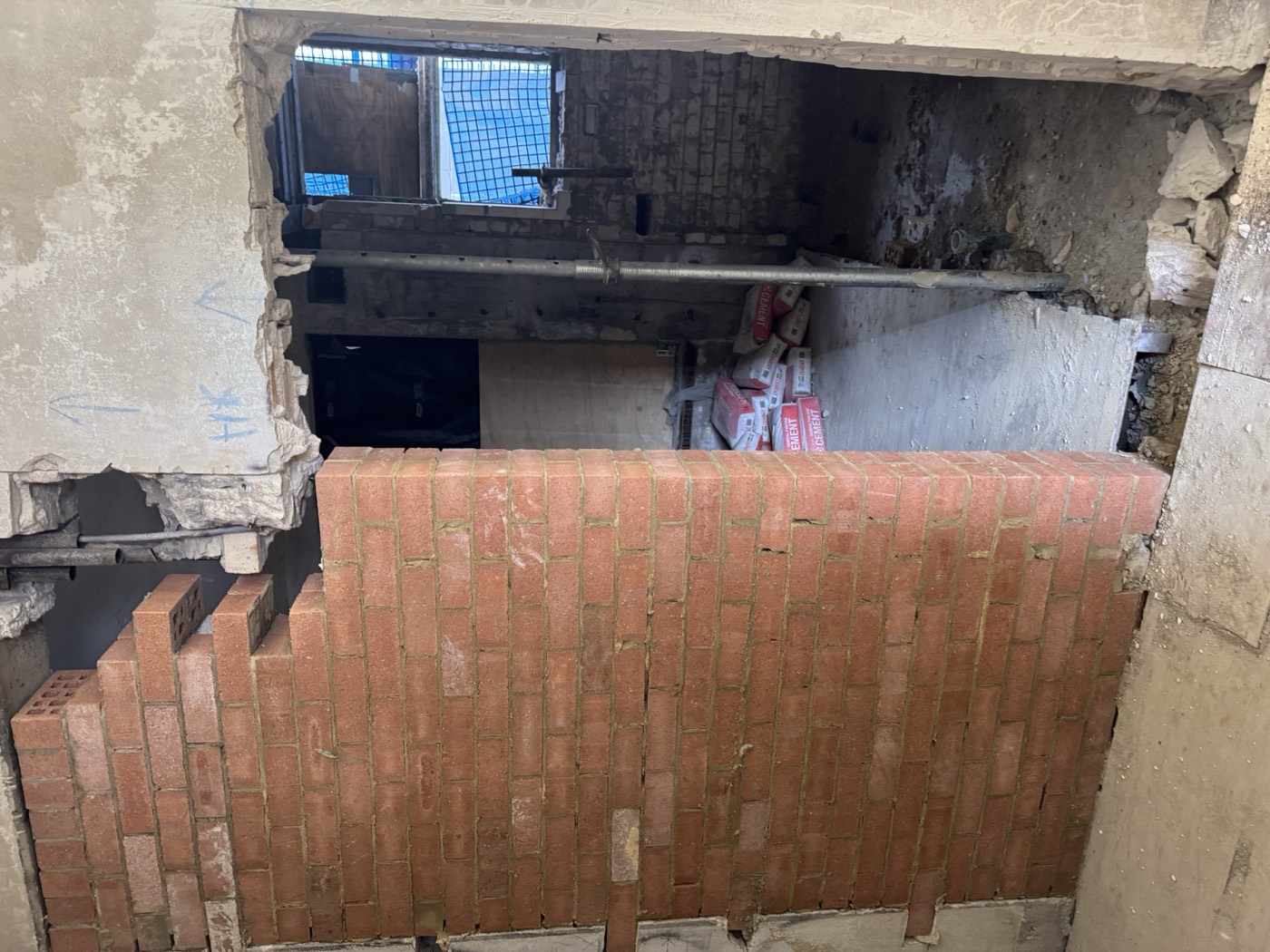
- Demolition and strip-out.
- Structural work: walls, beams, footings.
- Roofing, windows and weatherproofing.
- Services rough-in: plumbing, electrical, air conditioning.
- Waterproofing, linings and floors.
- Joinery, tiling and fixtures.
- Painting and finishes.
Doing finishes before structure or weatherproofing is the most common way renovations end up paying twice.
6. Living arrangements
Kitchen and bathroom renovations are hard to live through. Many families move out for the noisiest, dustiest stages.
7. Choosing a builder
Check the licence and insurance, get an itemised quote and a written contract, and ask how variations are priced. See our builders licence check guide.
Renovations in Sydney
See our renovation service or book a free site assessment on 0415 840 500.
Frequently asked questions
How much contingency should I allow for a renovation?
Allow a meaningful contingency for hidden problems, more for older homes where structure, damp and services are unknown.
Do I need approval to renovate my house in NSW?
Some internal works need none, but structural changes, extensions and heritage areas usually need a CDC or DA.
What order should renovation work be done in?
Strip-out, structure, weatherproofing, services, waterproofing and linings, then joinery, fixtures and finishes.