To build a house, pool, driveway or yard on a sloping block, you usually need level ground. Cut and fill earthworks dig soil from the high side (cut) and place it on the low side (fill). It sounds simple. The difference between good and bad earthworks shows up years later, when fill settles and slabs crack.
Balancing cut and fill
Where possible, the design balances the two, so soil dug out is reused as fill. That saves carting soil away and bringing new fill in. Rock, wet clay and topsoil are not suitable fill, so the balance is rarely perfect.
Fill must be compacted
- Placed in thin layers, not dumped in one go.
- Moisture-conditioned so it compacts properly.
- Compacted with suitable rollers or plate compactors.
- Tested for compaction where it will support structures.
The Australian Standard for earthworks on commercial and residential developments, AS 3798, sets out how fill should be placed, tested and supervised. Uncontrolled fill under a slab or footing is a common cause of cracking. See what causes cracked slabs.
Batters or walls
The edges of cut and fill areas need to be stable. Either:
- Batters: slopes at a safe angle, stabilised with planting or erosion control.
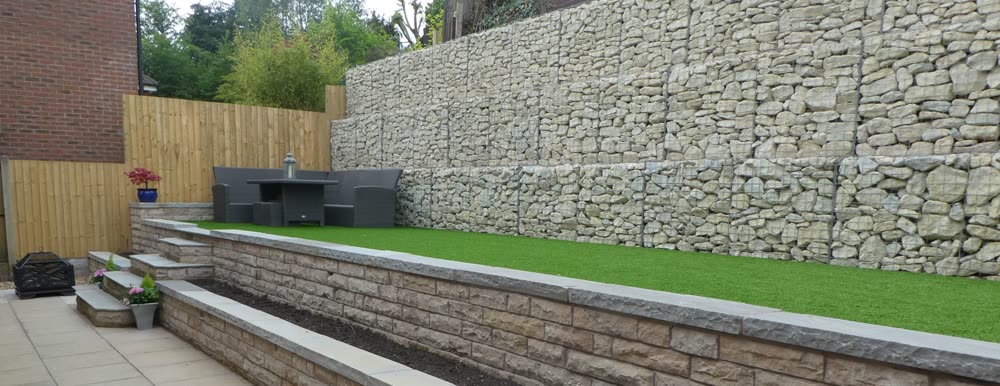
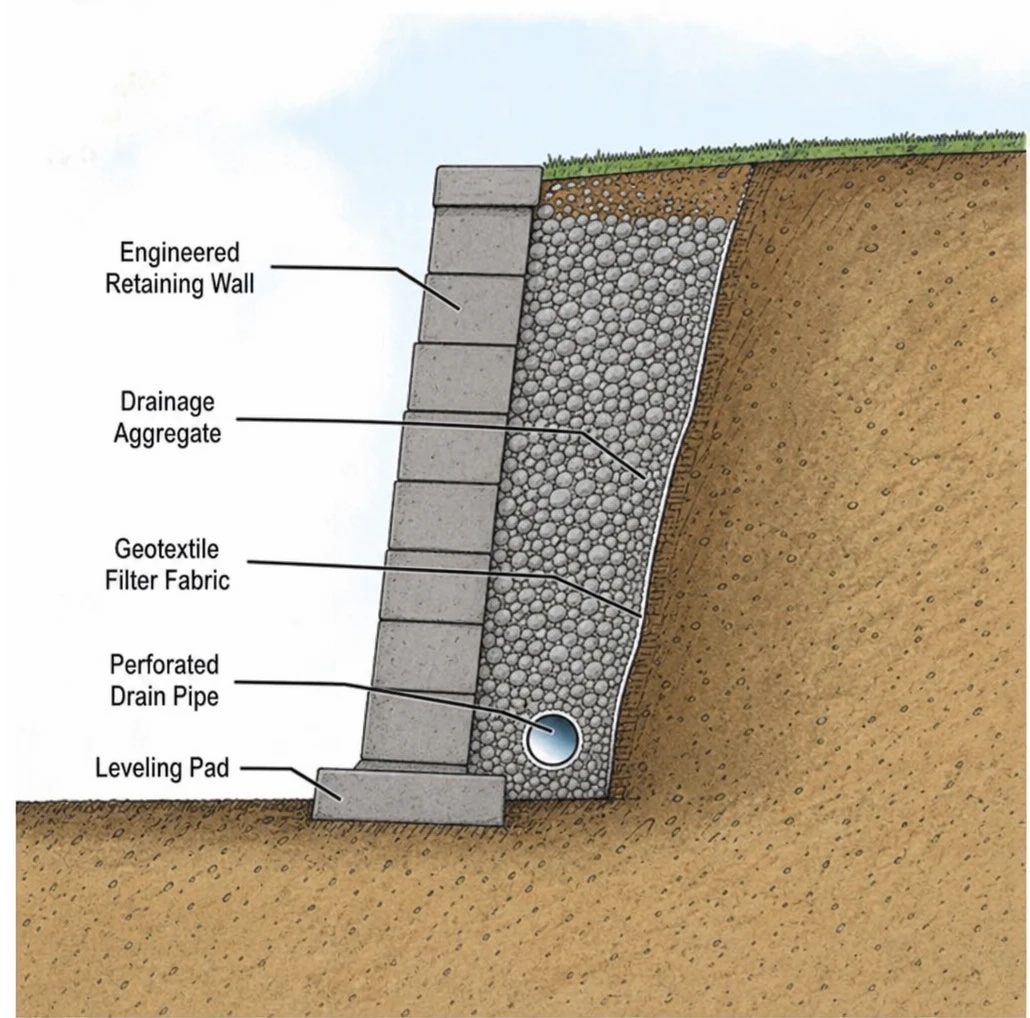
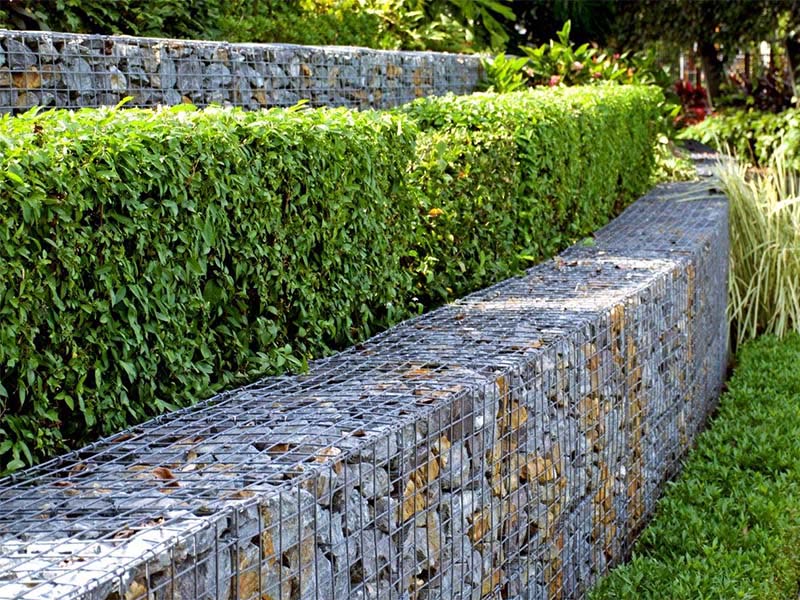
- Retaining walls: where there is no room for a batter. See gabion walls and concrete retaining walls.
Drainage
Cuts intercept groundwater, and fill changes how water moves. Plan subsoil drainage and surface drainage with the earthworks. See drainage on sloping blocks.
Approvals
Earthworks beyond small amounts usually need approval, and fill near boundaries is closely controlled. Many councils limit how much the ground can be raised near neighbours.
Earthworks in Sydney
We carry out cut and fill earthworks, compaction and retaining walls on sloping sites. See excavation and site clearing. METCON is a licensed NSW builder (384697C) delivering civil works, excavation and retaining walls across Sydney. Call 0415 840 500 or request a quote.
Frequently asked questions
Can I build a slab on fill?
Only on fill that has been placed and compacted properly, or with footings taken down to natural ground, as the engineer specifies.
Do I need compaction testing?
Where fill supports structures, driveways or retaining walls, testing is good practice and often required.
Can I use the soil from my pool dig as fill?
Often, if it is suitable material. Rock and wet clay usually need to be handled differently.