Most ceiling cracks are cosmetic, but some are early warnings of water damage or structural movement. The pattern of the crack tells you a lot.
Common types of ceiling crack
Cornice cracks
Cracks where the ceiling meets the wall, often opening and closing with the seasons. Usually caused by normal movement of the roof framing or walls, and generally cosmetic.
Joint cracks
Straight cracks along plasterboard joints, usually from poor jointing or minor movement. Cosmetic in most cases.
Truss uplift cracks
In homes with trusses, the roof framing can lift slightly in cooler, damper months, pulling the ceiling away from internal walls. Seasonal and usually not structural.
Cracks with stains
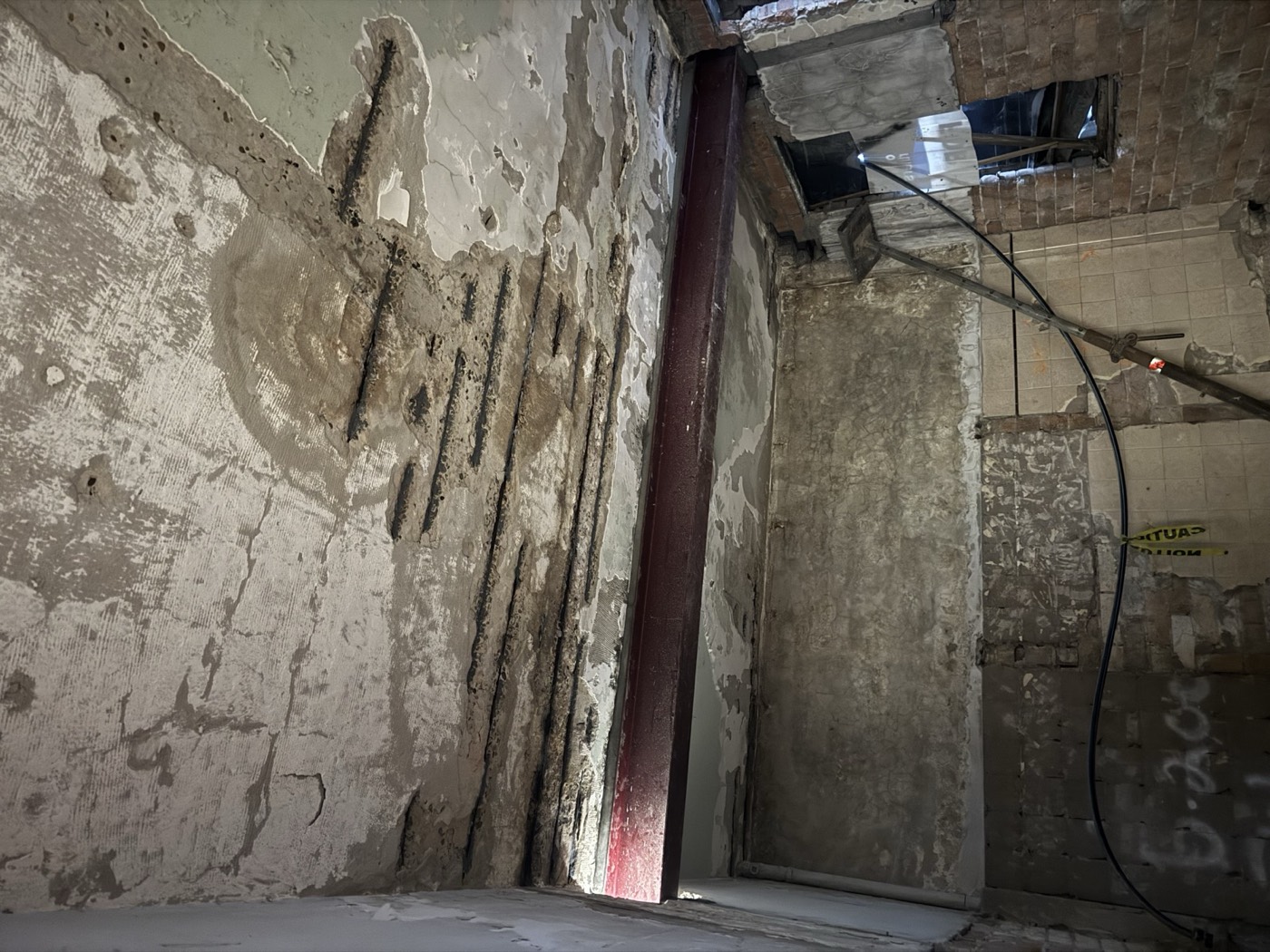
Cracks with brown or yellow staining point to water: a roof leak, a bathroom or balcony above, or plumbing. The water is the problem, not the crack.
Sagging ceilings
A ceiling that dips or bulges between joists can mean loose fixings, water-damaged plaster or failing old lath and plaster. Sagging ceilings can fall and need urgent attention.
Cracks that continue into walls
Ceiling cracks that line up with diagonal wall cracks, sticking doors or sloping floors suggest the building is moving. See types of cracks in walls.
When to worry
- The ceiling is sagging or bulging.
- Cracks are wide, long or getting bigger.
- Stains, damp or mould appear with the crack.
- Cracks run down into the walls.
- Doors and windows have started sticking.
How ceiling cracks are repaired
- Find and fix the cause: leaks, movement or loose fixings.
- Re-fix or replace damaged plasterboard.
- Re-tape and set joints, or install flexible sealant at cornices that move seasonally.
- Prime and repaint.
Cracks in older homes
Old lath and plaster ceilings can fail suddenly. If one is cracking and sagging, keep people out of the room and get it assessed.
Crack repairs in Sydney
See our crack repair service, or send us photos of the ceiling and any matching wall cracks.
Frequently asked questions
Are cracks in the ceiling normal?
Fine cornice and joint cracks are common and usually cosmetic. Sagging, stained or growing cracks need inspection.
Why do ceiling cracks come back after repair?
Usually because the ceiling moves seasonally or the cause, such as a leak or structural movement, was not fixed.
Is a sagging ceiling dangerous?
It can be. Sagging plaster can fall, so keep people out of the room and get it inspected promptly.