Thousands of Sydney apartment buildings went up in the 1980s: brick and concrete walk-ups, townhouse-style complexes and the first wave of mid-rise towers. Most are now around 40 years old, and many original materials have reached the end of their life.
Balconies and membranes
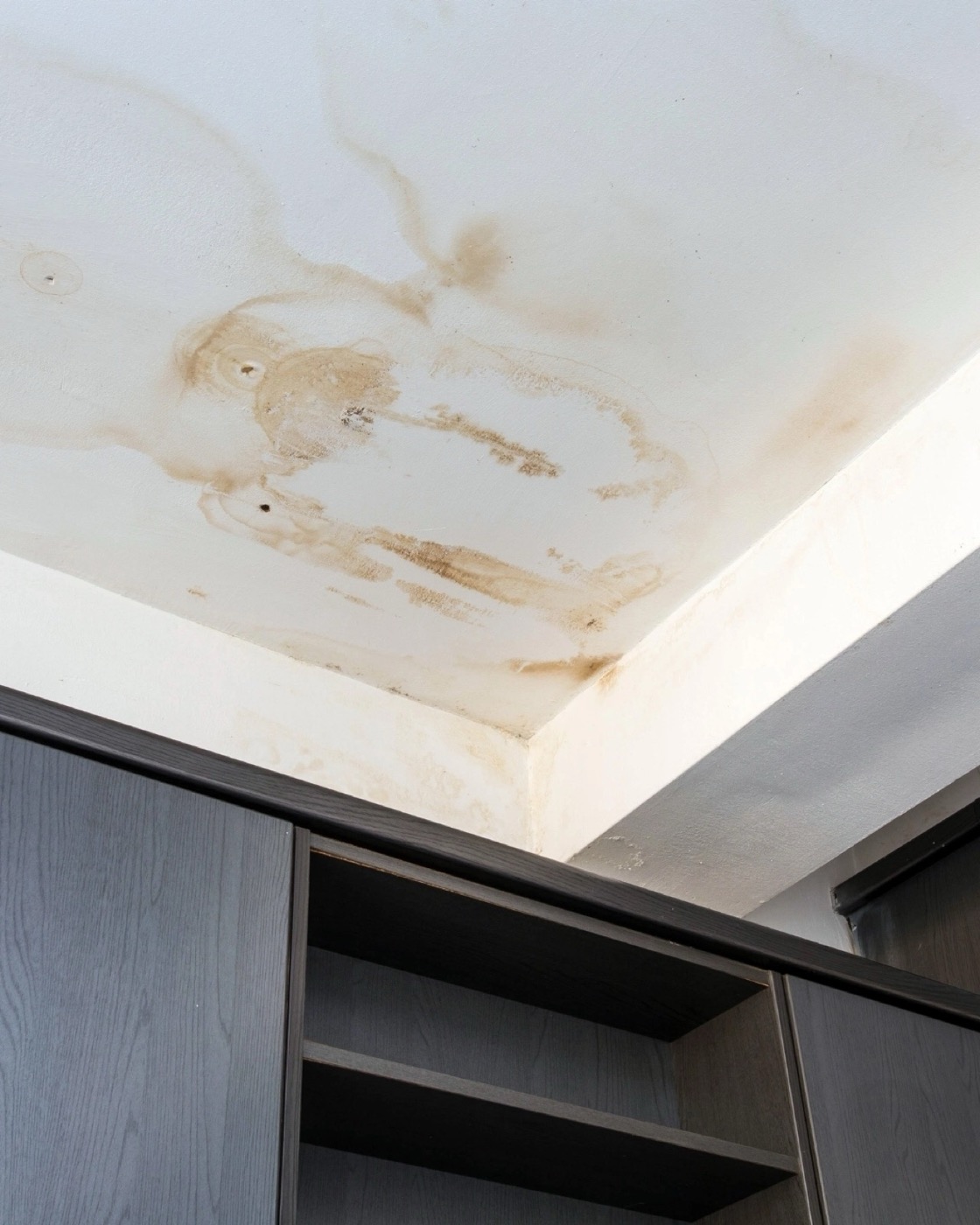
Original balcony membranes were often thin, or there was no membrane at all, just tiles on screed. Expect leaking balconies, drummy tiles, efflorescence and staining on soffits, and concrete cancer at slab edges. See leaking balcony repairs.
Windows and sliding doors
Aluminium windows and sliding doors from this era often have perished seals, worn tracks and failed perimeter sealants. Low or missing door sills on balconies let water in. See sliding doors leaking.
Brickwork and wall ties
Cavity brick and brick veneer walls rely on steel wall ties, which corrode over time, especially near the coast. Signs include horizontal cracks in mortar joints and bulging walls. See wall tie corrosion.
Concrete
Carbonation has had 40 years to reach the steel where cover was thin. Slab edges, balcony soffits, car park beams and window hoods are typical problem spots.
Roofs and drainage
- Concrete roof slabs with original membranes now well past their life.
- Tiled roofs with tired flashings and valleys.
- Undersized box gutters and stormwater systems.
Plan, do not react
Because these items fail at similar ages, a condition report and a 10-year plan is the best way to spread the cost. See capital works planning.
Remedial works for older blocks
We repair balconies, facades, roofs and concrete on 1970s and 1980s apartment buildings across Sydney. See strata remedial works. METCON is a licensed builder (384697C) and DBP registered (BUP4254812) for Class 2 apartment buildings. Call 0415 840 500 or book an inspection.
Frequently asked questions
Are 1980s apartment buildings a bad buy?
Not necessarily. Many are well built. Check the strata records, the capital works fund and any recent condition reports before buying.
What usually fails first?
Balcony waterproofing and window sealants are typically the first items, followed by concrete and wall tie issues.
How often should an older building be inspected?
A full condition assessment every few years is sensible, with annual visual checks of roofs, gutters and balconies.