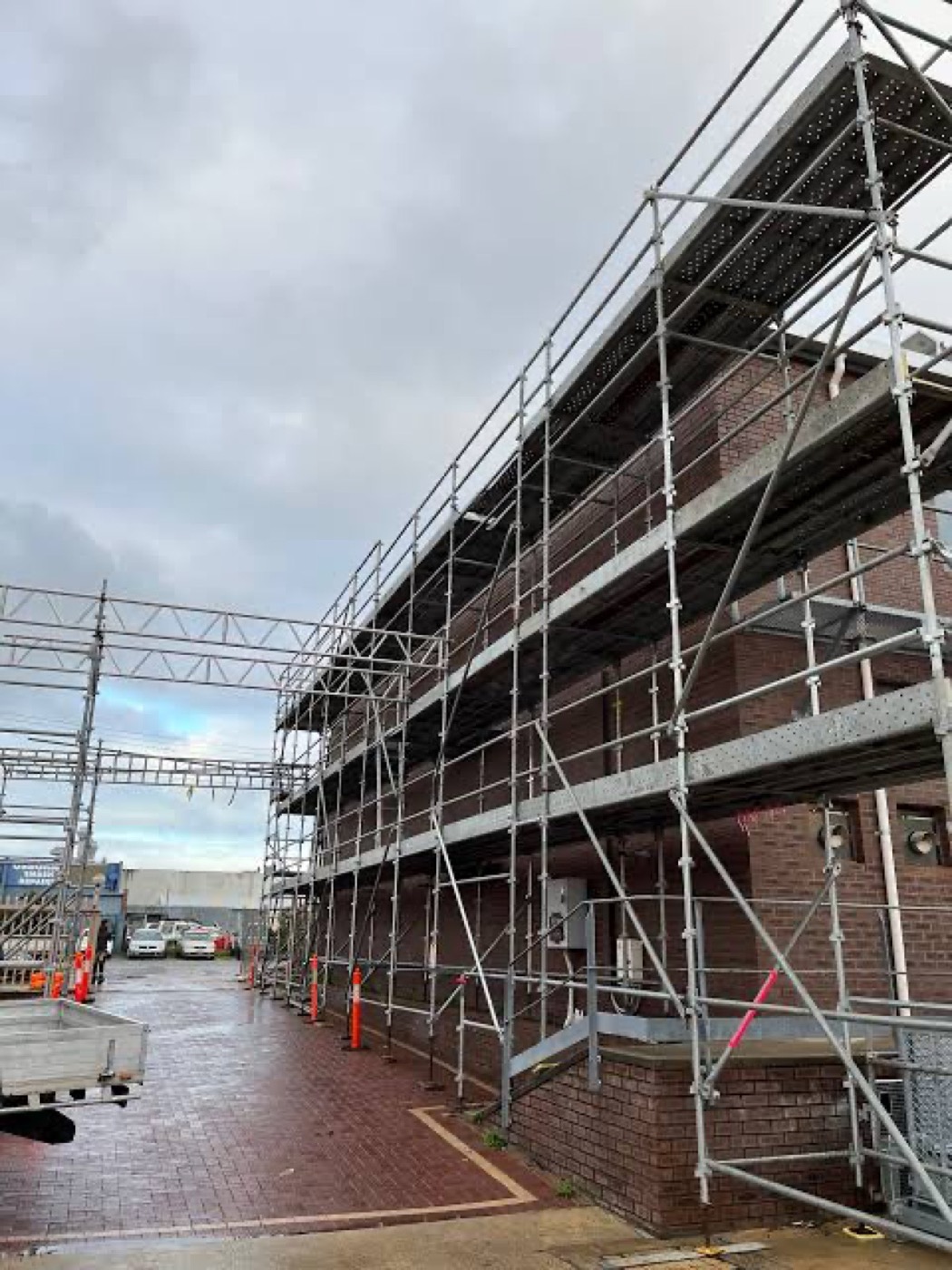
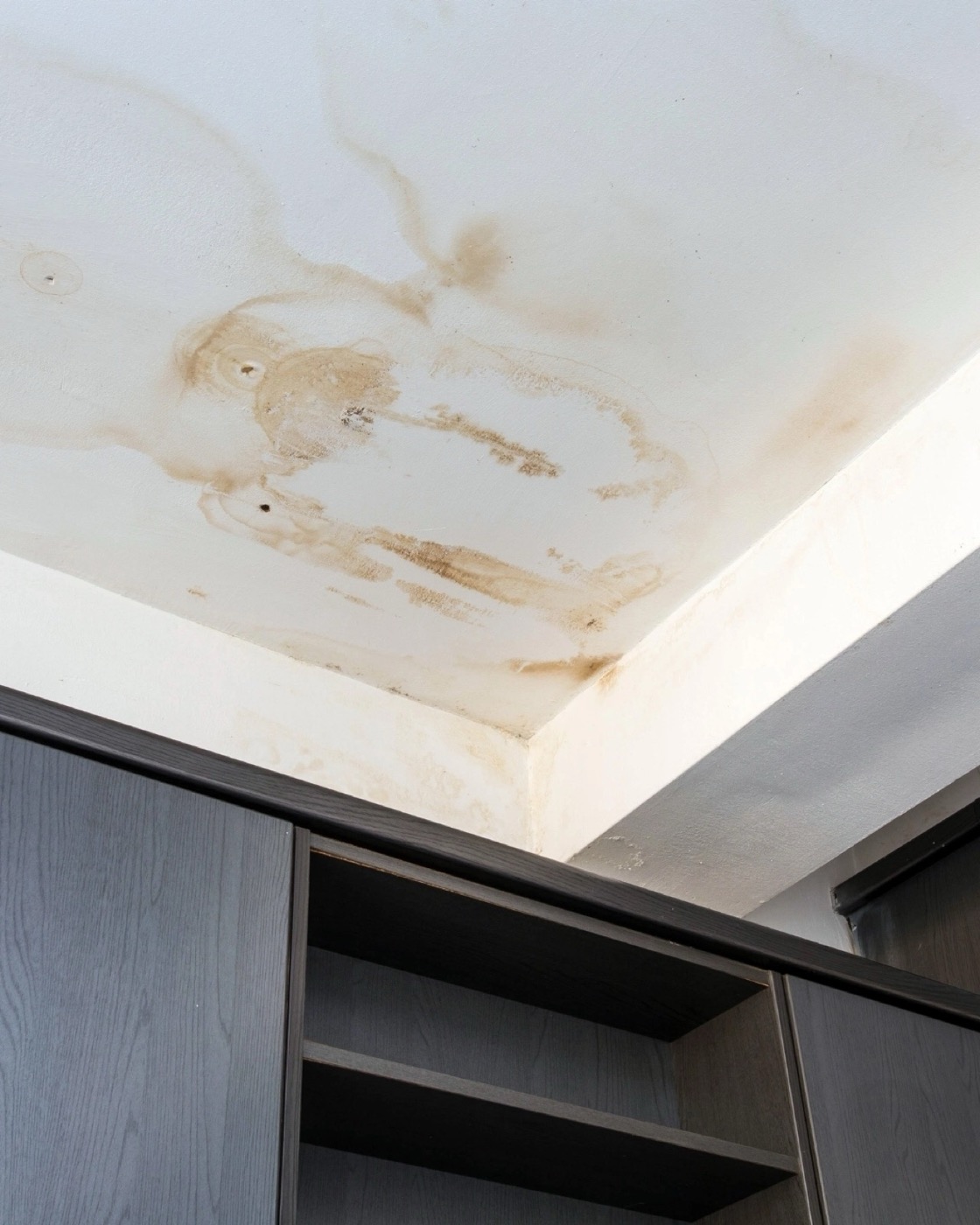
On high-rise towers, the repair itself may be similar to a low-rise balcony, but getting people, materials and waste up and down is very different.
Access options
- Through the apartment: much balcony work can be done from inside.
- Swing stage: for slab edges, soffits and facades.
- Rope access: for inspections and smaller repairs.
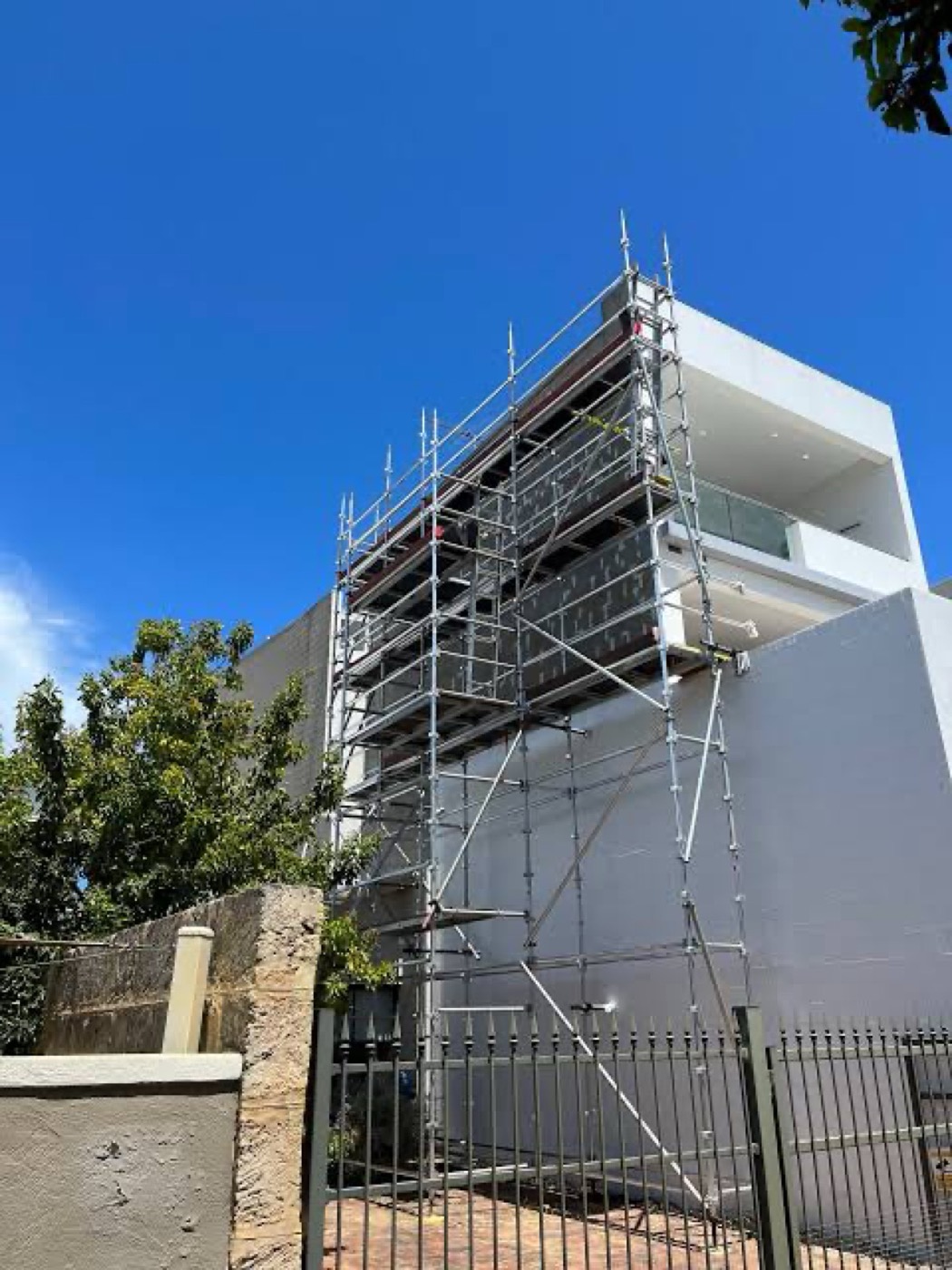
- Mast climbers or scaffold: on some buildings.
Moving materials and waste
- Goods lifts booked and protected.
- Waste bagged and taken down regularly.
- Materials delivered in manageable loads.
- Loading docks coordinated with the building manager.
Safety at height
- Edge protection when balustrades are removed.
- Securing tools and materials against wind.
- Exclusion zones below.
Weather
High balconies are windy, which affects membranes, coatings and swing stages. Programs need allowances for weather.
Staging
Work stack by stack, or a group of floors at a time, to limit lift use and disruption. See balcony programs.
Compliance
High-rise towers are Class 2 buildings, so DBP Act requirements may apply. See the DBP Act.
How good logistics help
Well-planned access keeps the job safe, the building running and the program on track.
High-rise balcony works
We plan and deliver balcony repairs on towers across Sydney, including the CBD, North Sydney and St Leonards. METCON is a licensed builder (384697C) and DBP registered (BUP4254812) for Class 2 work. Call 0415 840 500 or book a free inspection.
Frequently asked questions
How are balconies repaired on tall buildings?
Much of the work is done from inside the apartment, with swing stages or rope access for edges and soffits.
Do balcony repairs on towers need scaffold?
Not usually for the full height. Swing stages, rope access and internal access are common.
How is waste removed from high-rise balcony works?
Bagged and taken down in protected goods lifts, coordinated with the building manager.