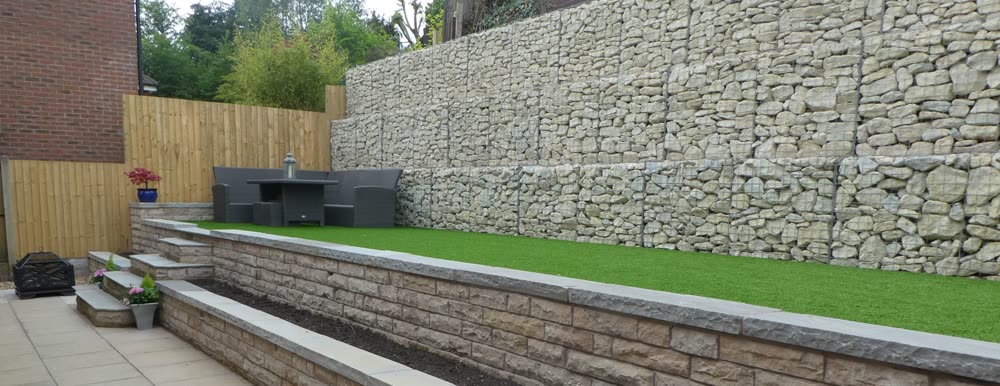
Gabion mattresses, sometimes called reno mattresses, are shallow, wide wire mesh baskets filled with rock. Instead of being stacked into a wall like gabion baskets, they are laid flat or on a slope to form a flexible, permeable armour layer against erosion.
Where they are used
- Lining drainage channels and swales that carry fast water.
- Culvert and pipe outlets, where water exits fast and scours the ground. See headwalls and culverts.
- Creek banks and the toe of gabion walls.
- Slopes and batters exposed to runoff.
- Spillways for dams and detention basins.
Why use a mattress
- Flexible: they follow ground movement and settlement without cracking.
- Permeable: water drains through, so no pressure builds up.
- Natural look: silt and plants fill the voids over time.
- Thinner than baskets: economical for large areas.
Installation
- Shape and compact the subgrade to the design profile.
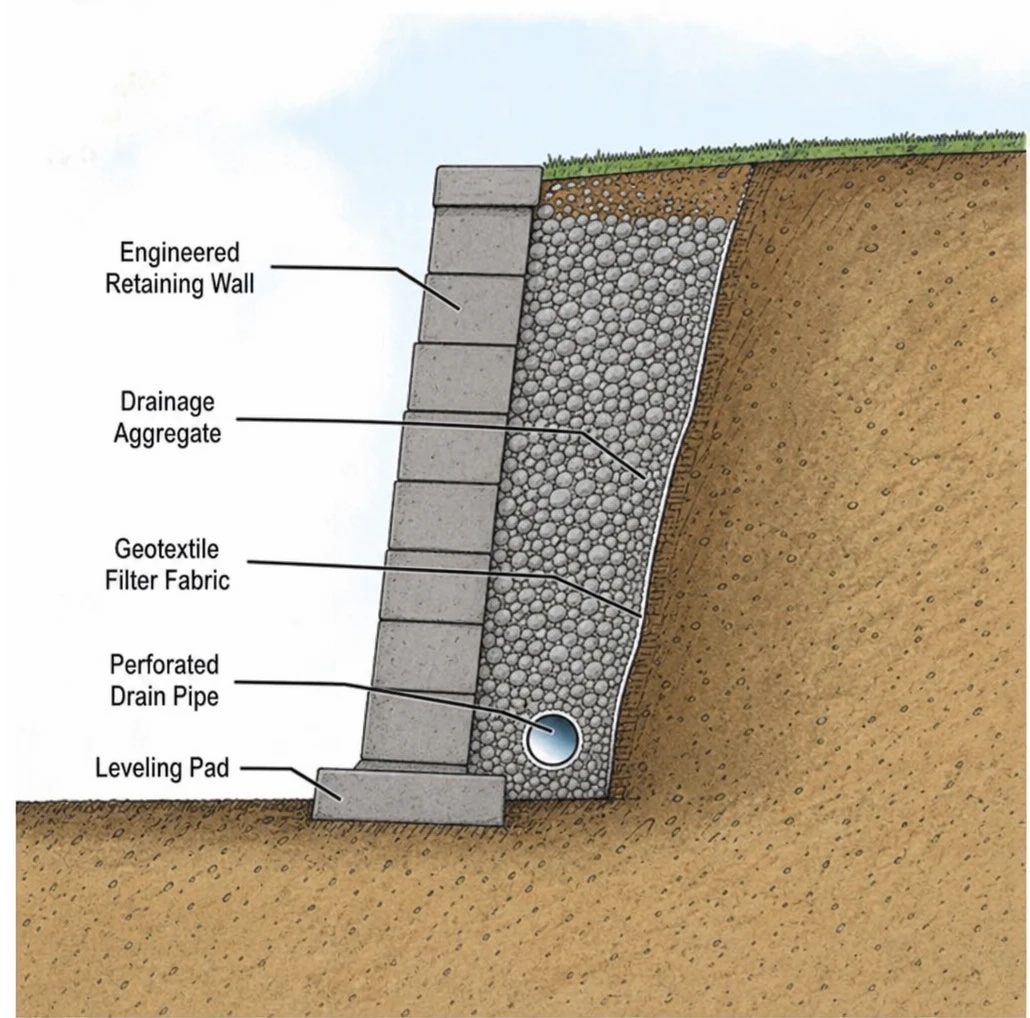
- Lay a geotextile fabric to stop soil washing out through the rock.
- Assemble and lace the mattresses together.
- Fill with graded rock of the specified size, with internal diaphragms keeping it evenly spread.
- Close and lace the lids.
Design
Mattress thickness, rock size and mesh coating are chosen for the water velocity and environment. Galvanised and PVC coated mesh are common; coating matters in creeks and salty water. Works in watercourses may need approvals. See gabions for creek bank erosion.
Gabion works
We build gabion walls, mattresses and scour protection for drainage and erosion control on Sydney sites. See gabion walls. METCON is a licensed NSW builder (384697C) delivering civil works, excavation and retaining walls across Sydney. Call 0415 840 500 or request a quote.
Frequently asked questions
What is the difference between a gabion basket and a mattress?
Baskets are deeper boxes stacked into walls. Mattresses are shallow and laid flat or on slopes to stop erosion.
Do gabion mattresses need geotextile?
Usually yes, to stop the soil underneath washing out through the rock.
Can plants grow through gabion mattresses?
Yes. Over time silt fills the voids and vegetation can establish.