Commercial property maintenance is about protecting safety, tenants and the value of the asset. The most expensive maintenance is the kind that waits until something fails: concrete falling from an awning, water through a tenancy ceiling, or a structural defect found halfway through a refurbishment.
Start with a condition audit
A periodic building condition audit records the state of the roof, facade, structure, waterproofing, balconies, carparks and services, and ranks defects by urgency. It turns maintenance from reacting to planning.
Early warning signs to act on
- Rust stains, cracking or drummy concrete on slabs, awnings, columns and carparks.
- Water stains on ceilings, efflorescence on walls, or recurring leaks.
- Cracked render, failed sealant joints and fretting brickwork on facades.
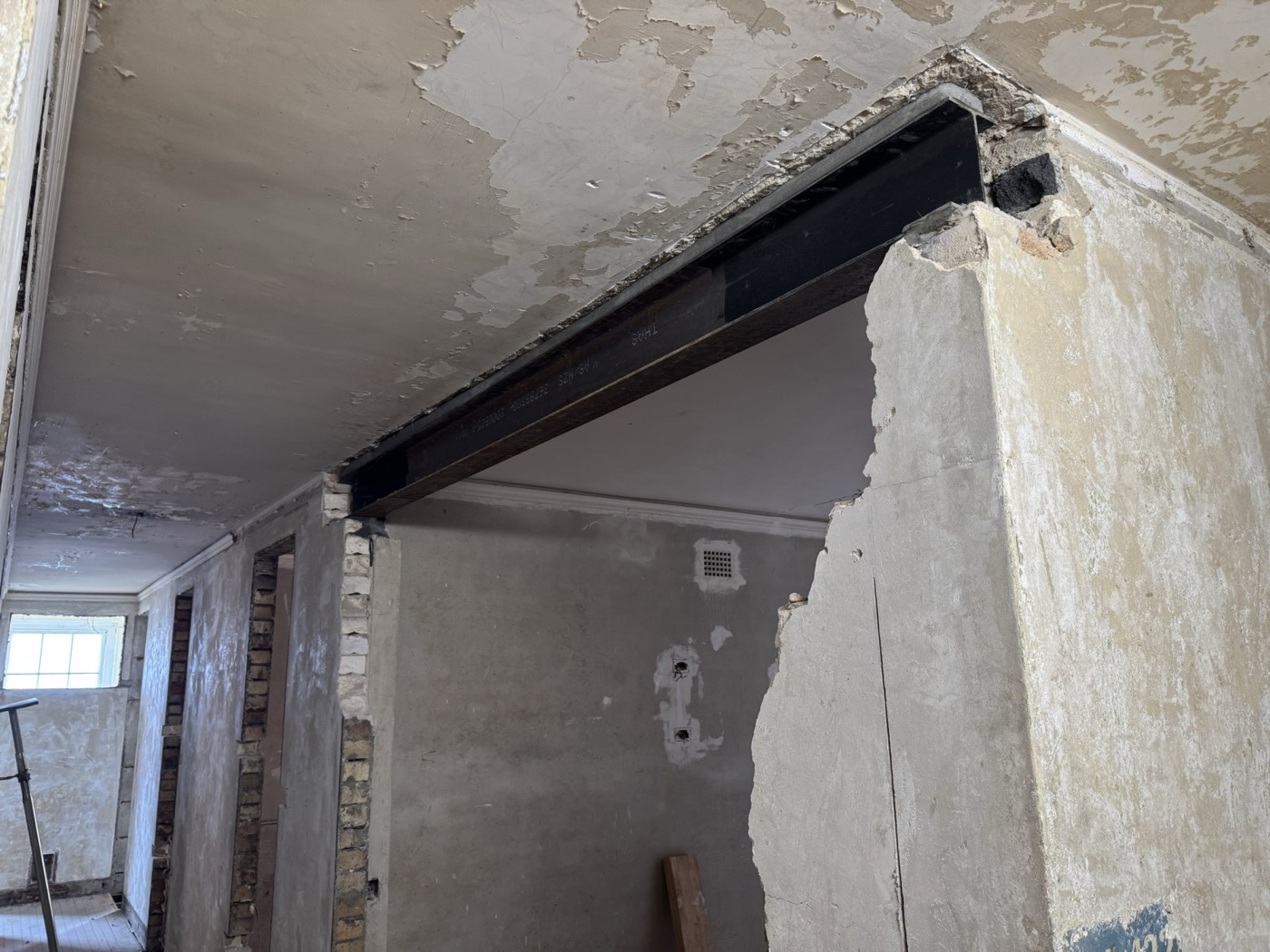
- Sagging or cracking over windows and doors.
- Ponding water on roofs and podiums.
Prioritising remedial works
- Safety first: anything that could fall on people, or structural defects that reduce strength.
- Water ingress: leaks cause most of the damage that follows, including concrete cancer and corrosion.
- Compliance: fire safety, access and defect notices.
- Durability: protective coatings, sealants and repairs that extend the life of the building.
- Appearance: finishes after the structure and envelope are sound.
Budgeting
A forward maintenance plan spreads major remedial items over several years, so owners are not hit with one large emergency bill. Itemised quotes from remedial builders against an engineer's scope give realistic numbers to plan with.
Plan works around tenants
Staging, after-hours work, hoardings and clear notices keep buildings trading during repairs. Our guide to commercial building remedial works covers this in detail.
When to call a remedial builder
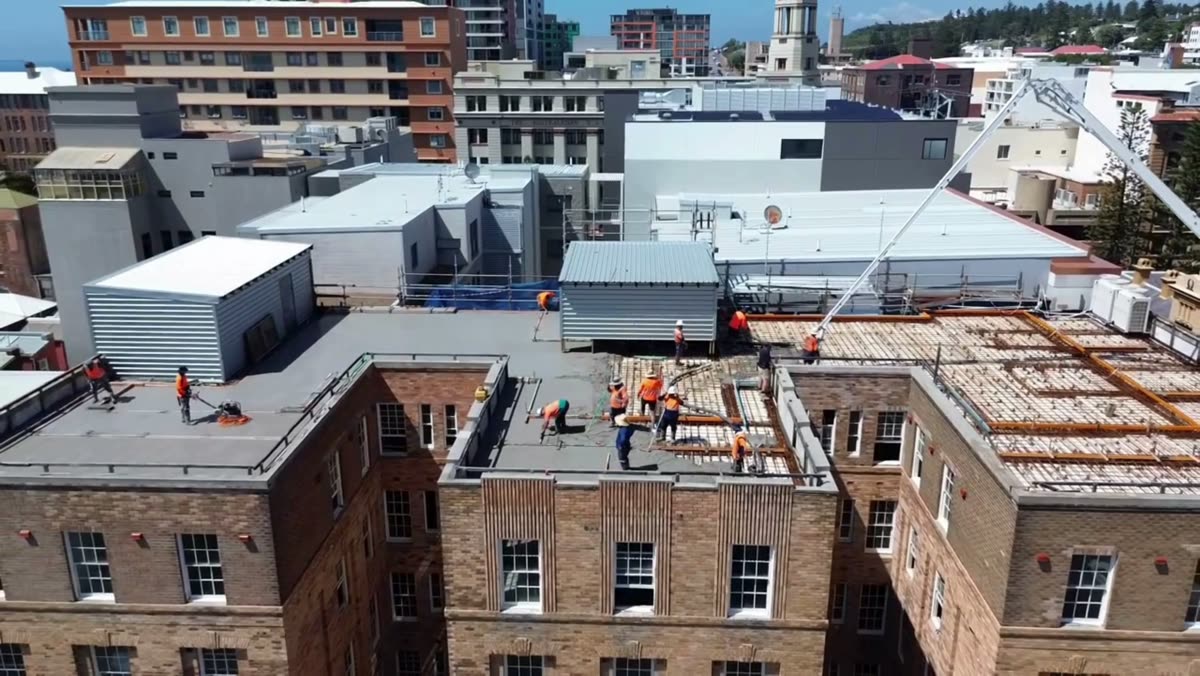
When an audit or a tenant complaint points to concrete, steel, waterproofing or facade defects, a remedial builder can inspect, price the repair and coordinate an engineer. See how this worked on the Great Northern Hotel, or our commercial remedial services.
Frequently asked questions
How often should a commercial building be inspected?
Many owners commission a condition audit every few years, with more frequent checks of roofs, gutters, balconies and carparks, and inspections after severe weather.
What are the most common commercial building defects?
Water ingress through roofs, podiums and facades, concrete cancer, corroded steel, failed sealants and facade deterioration.
Can remedial works be done without closing the building?
Usually, yes. Works can be staged, done after hours and isolated with hoardings so the building keeps operating.