Remedial projects are expensive and disruptive, so owners need to understand them before they vote. Committees that hold an information session before the general meeting find motions pass more easily, levies are accepted and complaints during the works drop.
When to hold it
A few weeks before the general meeting, once the engineer's report and quotes are in. Late enough to have real information, early enough for owners to think it over.
Who should present
- The committee chair, to explain why and the process so far.
- The engineer, to explain the problem and the repair.
- The preferred builder, to explain how the work will be done.
- The strata manager, on levies, the capital works fund and the vote.
What to show
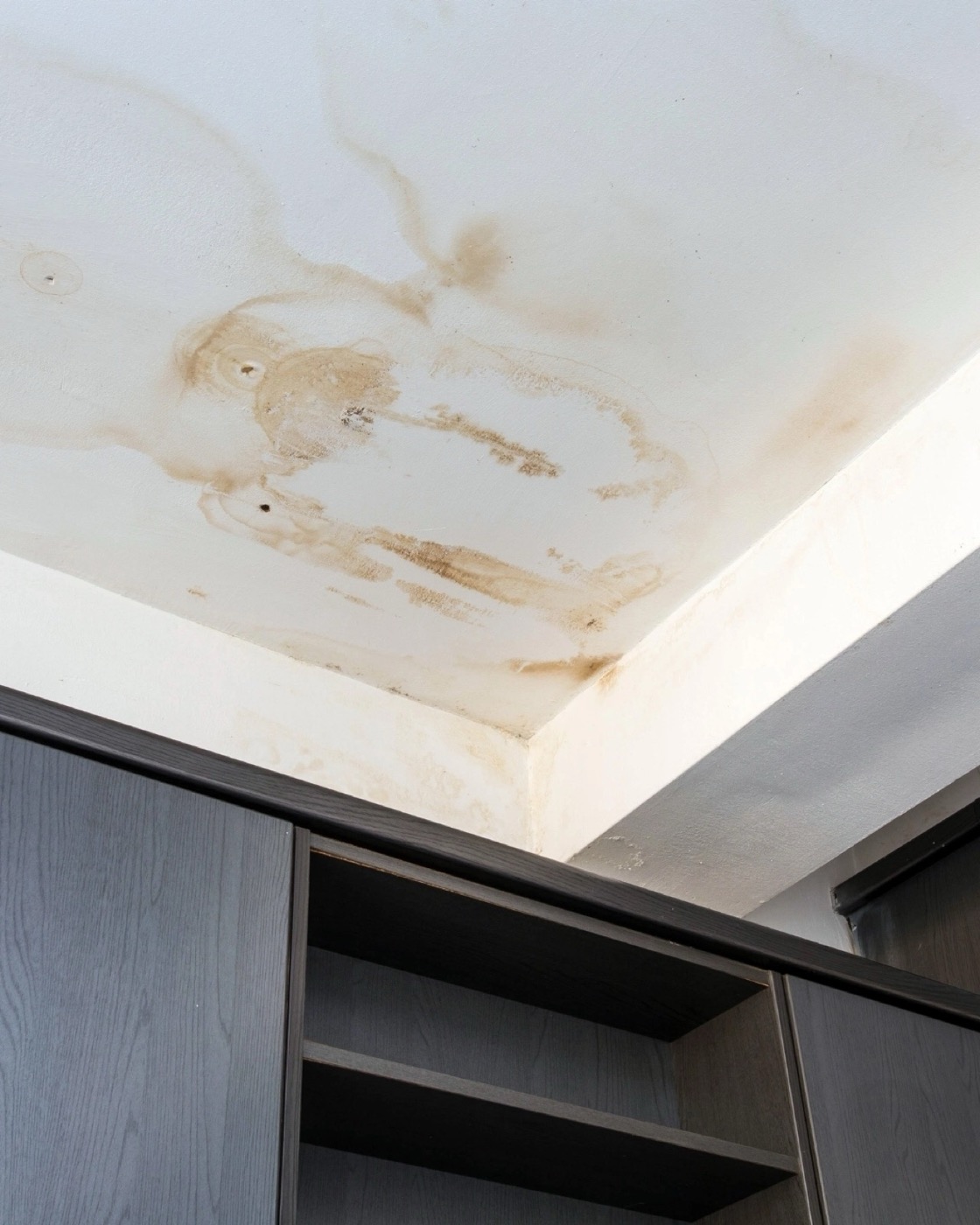
- Photos of the problem: spalling, rust, leaks and damage in units.
- What happens if nothing is done: safety, cost growth and insurance.
- The scope of work in plain language.
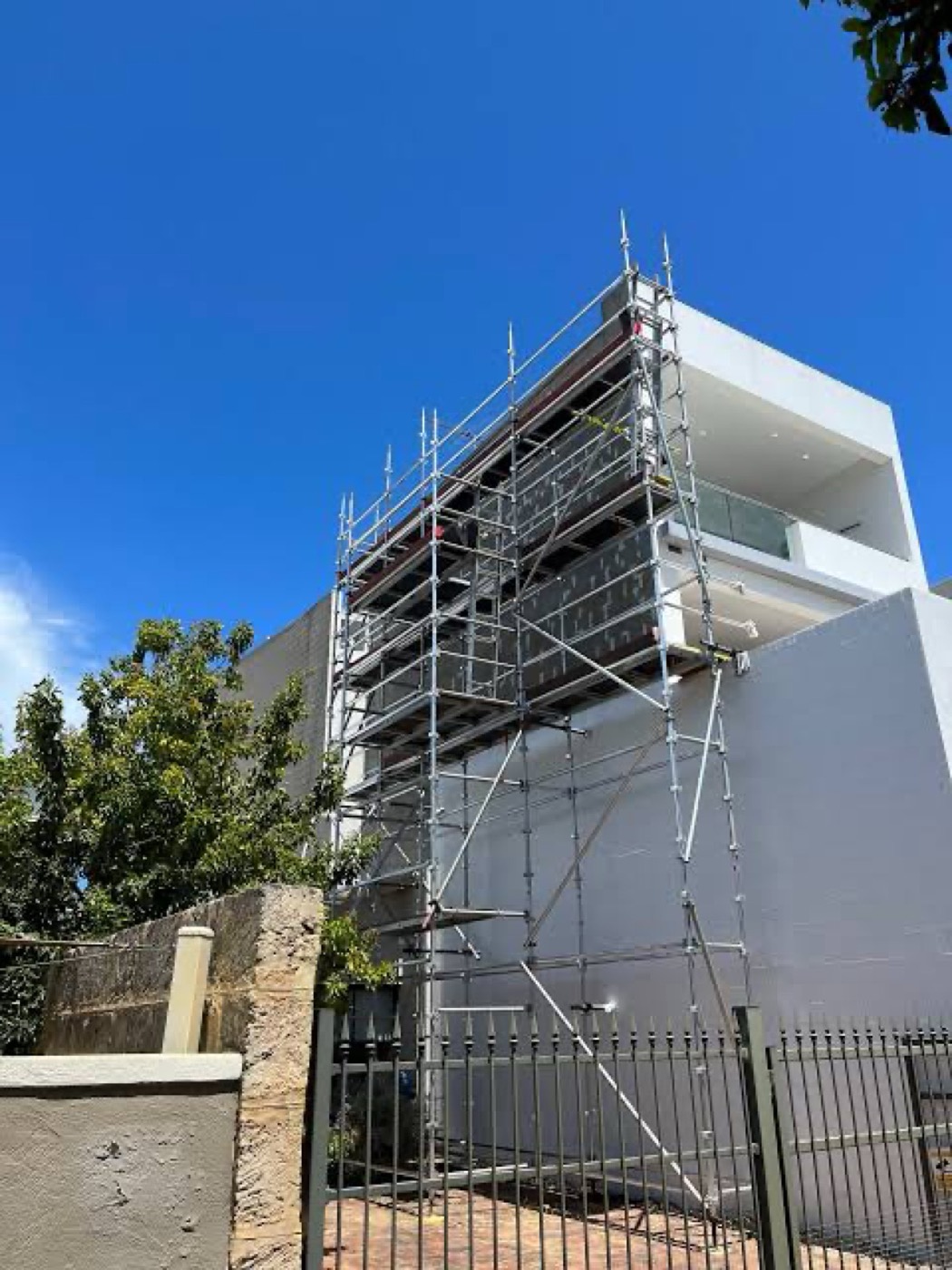
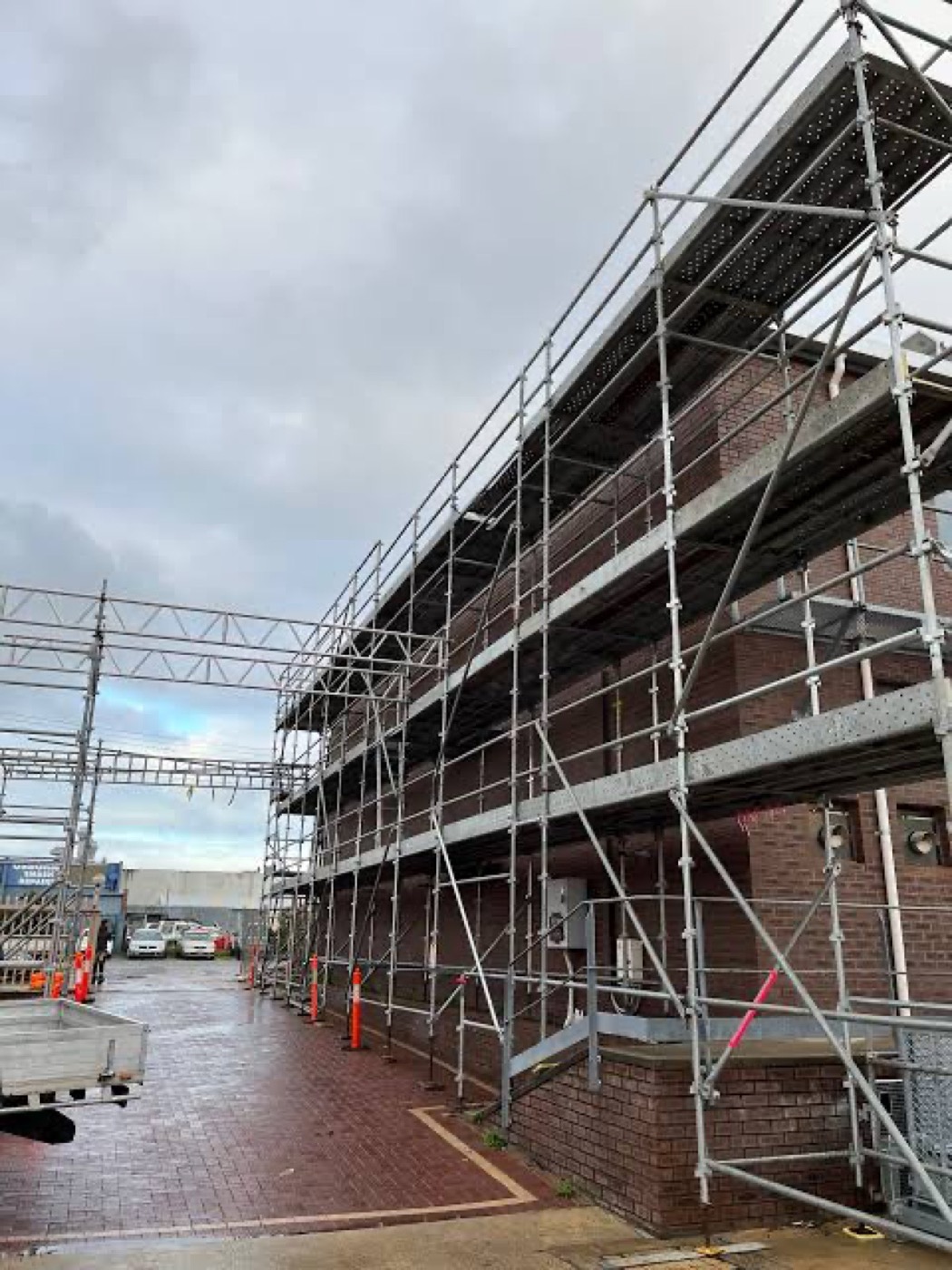
- The program, access and what residents will experience.
- The cost, how it is funded and the levy timing.
Answer the hard questions
- Why can't we just patch it?
- Why does it cost so much?
- Can we stage it?
- Is the developer responsible?
- How long will we have scaffold?
Honest answers build trust. See getting owners to approve remedial works and the cost of delaying repairs.
After the session
Send a summary, the slides and an FAQ to all owners, including those who could not attend, with the meeting notice.
We present to owners
We attend owners information sessions to explain the works, the program and what residents can expect. See strata remedial works. METCON is a licensed builder (384697C) and DBP registered (BUP4254812) for Class 2 apartment buildings. Call 0415 840 500 or book an inspection.
Frequently asked questions
Can the information session be online?
Yes. Online sessions get more owners along, especially investors. Record it for those who miss it.
Is the session a formal meeting?
No. Decisions are made at the general meeting. The session is to inform owners.
Should tenants be invited?
A separate briefing for residents closer to the start of works is a good idea, focused on access and disruption.