On a concrete sleeper or timber retaining wall, the posts do almost all the structural work. The sleepers span between them, but the posts carry the soil pressure down into the footings. When sleeper walls lean or fail, undersized, shallow or corroded posts are usually the reason.
Types of retaining wall posts
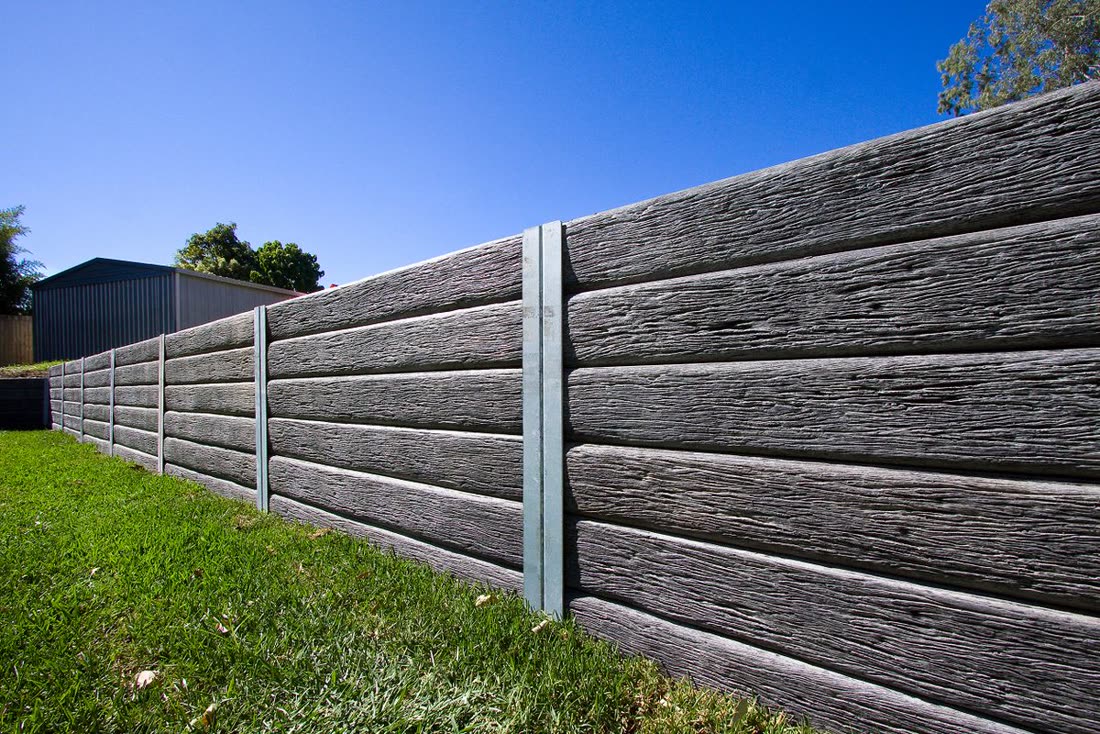
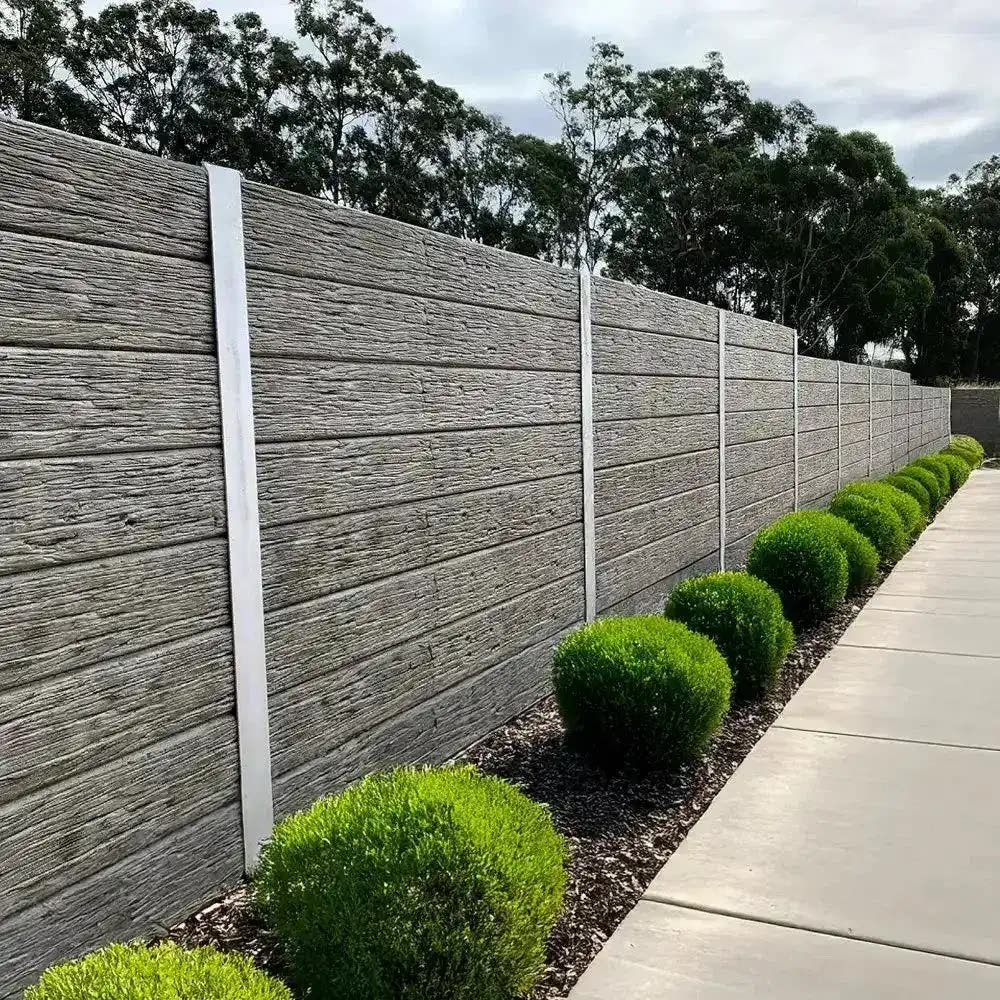
Steel H posts
Universal column sections shaped like an H, used for intermediate posts. The sleepers slot into the channels on each side.
Steel C posts
Channel sections used at the ends of walls and at changes of direction, where sleepers only need to sit on one side.
Timber posts
Used on some timber walls, but timber in wet soil rots over time. Steel posts with timber or concrete sleepers last much longer.
Galvanising matters
Posts should be hot-dip galvanised to resist corrosion. The most vulnerable point is at ground level, where the post meets soil and water. Near the coast, salt air makes corrosion protection even more important.
Footings and embedment
Each post sits in a concrete footing. The required depth and diameter depend on the wall height, soil type, slope and any load above the wall, such as driveways or pools. A common rule of thumb is that posts are embedded at least as deep as the wall is high, but taller and loaded walls should always be designed by an engineer.
Post size and spacing
Post spacing is set by the sleeper length, and post size by the height and load. A taller wall needs heavier steel sections, not just deeper holes. Using posts that are too light for the height is a common shortcut in cheap quotes.
Common post failures
- Leaning wall: posts too shallow or too light for the soil pressure.
- Rust at ground level: poor galvanising or water sitting around the post.
- Sleepers popping out: posts rotating or spreading apart.
- Cracked footings: undersized or poorly compacted footings.
What to ask your builder
- What size and type of steel are the posts?
- Are they hot-dip galvanised?
- How deep and wide are the footings?
- Is the wall engineered for its height and any loads?
Built properly from the posts up
See our concrete sleeper retaining walls, or retaining wall repairs if your posts are already failing.
Frequently asked questions
How deep should retaining wall posts be?
A common rule of thumb is at least as deep as the wall is high, but the correct depth depends on soil, height and loads. Taller or loaded walls should be engineered.
What posts are used for concrete sleeper walls?
Hot-dip galvanised steel H posts for intermediate posts and C posts at ends and corners, set in concrete footings.
Why are my retaining wall posts leaning?
Usually because they are too shallow or too light for the soil pressure, or because poor drainage has added water pressure behind the wall.