When a build starts to get technical, unstable ground, cracked walls, a new level added to an older house, a retaining wall near a boundary, or a commercial fitout with structural changes, one question comes up quickly: what does civil and structural engineering entail? For property owners, it usually means the difference between a job that is properly designed and documented, and one that runs into delays, defects or compliance problems halfway through.
Civil and structural engineering are closely related, but they are not the same thing. Both deal with how a project performs in the real world, not just how it looks on paper. They influence whether a site drains properly, whether footings are suitable for the ground conditions, whether walls can retain soil pressure, and whether a building frame can safely carry the loads placed on it over time.
What does civil and structural engineering entail on a real project?
In practical terms, civil engineering deals with the way a site works, while structural engineering deals with the way a structure stands. On many residential and commercial jobs, the two overlap. That is why these disciplines are often discussed together.
Civil engineering usually covers external and ground-related elements. That can include site levels, stormwater management, excavation strategy, drainage, access, pavements, retaining walls and the way water and soil movement affect the project. If the site has slope, poor drainage, reactive soil or tight council requirements, civil input becomes more important.
Structural engineering focuses on load-bearing parts of the build. Think footings, slabs, beams, columns, lintels, suspended concrete, structural steel, timber framing, bracing and tie-down systems. It also covers structural remediation, underpinning and modifications to existing buildings where walls are removed or loads are redistributed.
For a homeowner, developer or asset manager, the key point is simple: this work is about safety, performance and compliance. It is not optional detail added for paperwork. It is what supports the build physically and legally.
The structural side: keeping the building sound
Structural engineering starts with one basic question, what loads will this building or element need to carry, and how will those loads transfer safely to the ground? That sounds straightforward, but the answer depends on the building type, materials, spans, intended use, existing conditions and local standards.
For a new house, that may mean engineering for slabs, footings, framing and roof loads. For an extension, it may involve checking whether the existing structure can support additional work. For a first-floor addition, the engineer may need to assess the current walls, footings and load paths before any design can be confirmed. In older properties across Sydney, that matters. Many were not built for the loads or configurations owners now want to introduce.
Structural engineering also becomes critical when people want open-plan layouts. Removing a wall is rarely just a demolition issue. If that wall is load-bearing, the structure above needs a new path to transfer weight safely. That usually means engineered beams, posts, connection details and installation sequencing that builders must follow closely.
Then there are remediation and rectification projects. Cracking, movement, sagging floors, failing retaining walls or settlement around footings can all point to structural issues. In those cases, engineering is not just about designing something new. It is about diagnosing why failure is happening and specifying a compliant, durable repair method.
The civil side: making the site work properly
If structural engineering is about the skeleton of the build, civil engineering is about the conditions around it. A well-designed structure can still run into trouble if the site itself is not managed correctly.
Civil engineering deals with how water moves, how soil behaves and how external works interact with the building. Poor stormwater design can lead to ponding, erosion, saturated soil and movement around footings. In sloping sites, retaining structures and drainage need to work together. On tighter suburban blocks, site access, excavation support and finished levels can affect adjoining properties and approval requirements.
This is where the trade-offs start to matter. A cheaper retaining wall detail may not suit the soil conditions. A simpler drainage layout may not satisfy fall requirements. An excavation approach that works on one block may create risk on another if neighbouring structures sit close to the boundary. Civil design is rarely one-size-fits-all.
For projects in built-up parts of Sydney, civil considerations often become more complex because there is less room for error. Limited access, older stormwater infrastructure, narrow sites and close neighbours all place pressure on the design and construction method. That is why proper planning early on saves time later.
What does civil and structural engineering entail during design and approvals?
A lot of people assume engineering begins once construction starts. In reality, it often shapes the project much earlier. Before a builder can price accurately or sequence works properly, the design needs to be backed by realistic structural and site information.
During planning and approvals, engineering may include site assessments, footing design, retaining wall design, stormwater concepts, structural drawings, connection details and certifications required for council or private certifier review. The exact scope depends on the project, but the pattern is consistent: without proper engineering, approvals can stall and pricing can become guesswork.
This is especially true on compliance-heavy jobs. If a proposal involves excavation near boundaries, structural changes to an existing building, major concrete works or any element that affects stability, the supporting documentation needs to be clear. Vague sketches and assumptions tend to create variation claims, delays and rework later.
The better approach is coordinated documentation. That means the architect or designer, engineer and builder are working from the same set of assumptions about levels, spans, materials, loads and construction methodology. When that coordination is missing, site problems usually follow.
Where engineering and construction need to meet
Good engineering on paper is only part of the job. It still needs to be built correctly. This is where many projects start to separate into two categories: those that are coordinated by experienced, licensed contractors, and those pieced together by disconnected trades.
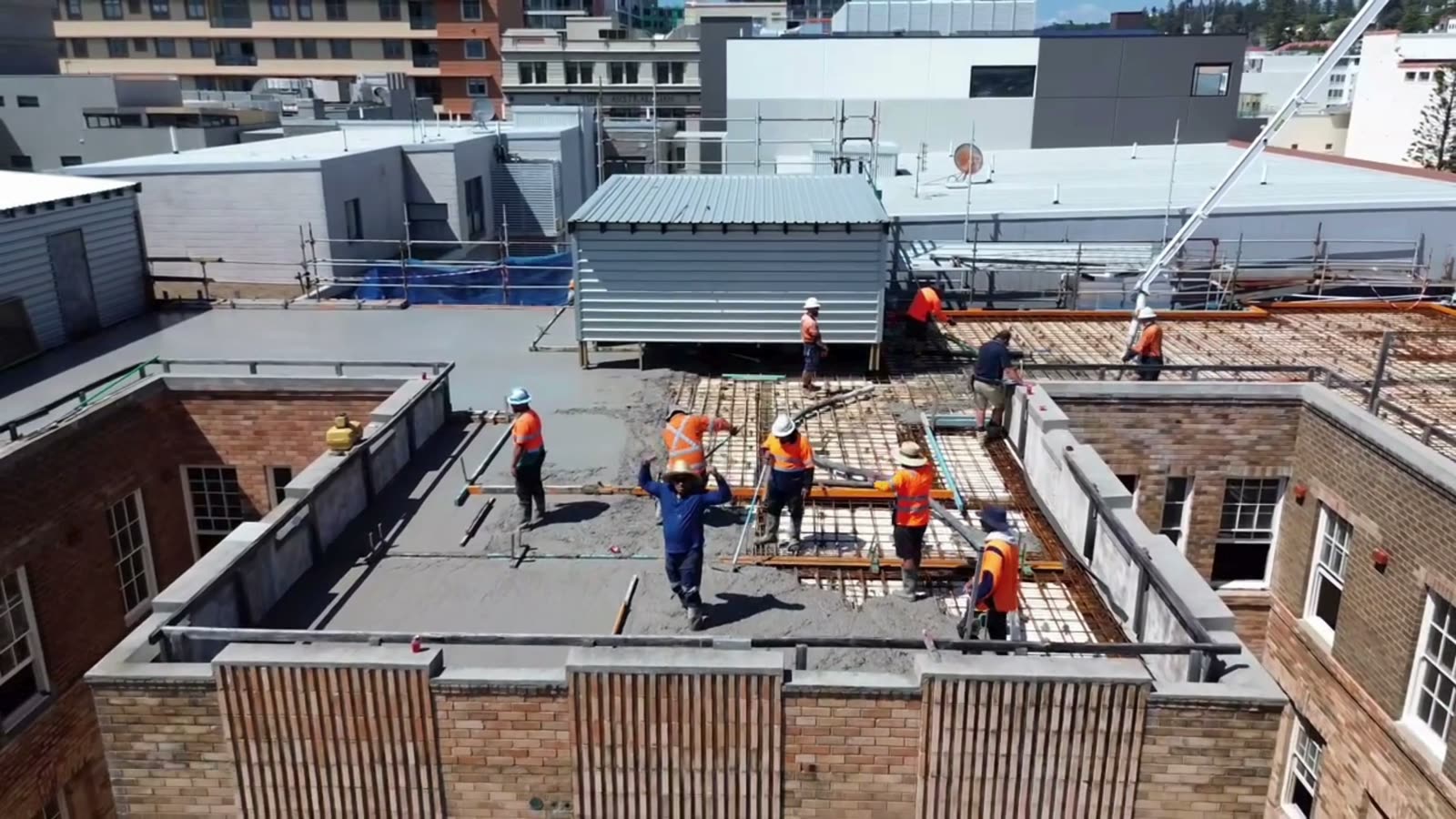
On structurally sensitive works, execution matters as much as design. Reinforcement placement, excavation depth, concrete cover, beam installation, temporary support, waterproofing interfaces and sequencing all affect the final result. If the works are not carried out to specification, even a sound design can be compromised.
That is why clients often look for a builder who can work directly with structural engineers, manage documentation and keep the project aligned with Australian Standards from approvals through to handover. On jobs involving underpinning, remediation, retaining walls, footings, concrete and structural steel, there is very little room for guesswork.
METCON operates in that space because many projects need both sides managed properly, the technical requirements and the construction delivery. That is particularly valuable when the works are complex enough that fragmented subcontractor management becomes a risk in itself.
Common situations where civil and structural engineering matter most
Some projects need minimal engineering. Others depend on it from day one. Extensions, first-floor additions, knock-down rebuilds on difficult sites, granny flats with site constraints, commercial refurbishments with structural changes, demolition tied to rebuild works, and any job involving excavation, footings, retaining or remediation usually fall into the second category.
The same applies where there is visible movement or known site issues. Cracking brickwork, sloping floors, drainage problems, subsidence, boundary retaining failures or ageing structural elements should not be treated as cosmetic concerns until the cause is properly assessed. Sometimes the fix is straightforward. Sometimes the visible issue is only the symptom.
There is also a budget reality here. Proper engineering and documentation do add upfront cost. But in many cases, that cost is far lower than the price of redesign, rectification, disputes or non-compliant work after construction has begun. The cheapest path at tender stage is not always the cheapest path by handover.
Why it matters for owners, not just engineers
For clients, understanding what civil and structural engineering entail helps with better decisions. It clarifies why certain reports are required, why some designs change after site information comes in, and why competent builders ask detailed questions before they commit to scope and price.
It also helps separate necessary work from sales talk. If a contractor cannot explain how loads are being handled, how drainage is being resolved, what approvals are required or what documentation supports the build, that should raise concerns. Technical work needs technical answers.
The best projects are not the ones with the most drawings. They are the ones where engineering, approvals and construction are aligned from the start, and where everyone involved understands what the site and structure actually require. If you are planning work with retaining, excavation, structural changes or complex ground conditions, getting that foundation right is usually the smartest decision you make.