Cracks that keep widening, floors that slope a little more each year, doors that suddenly stop closing properly, these are not cosmetic problems. They are often signs the structure is moving. If you are looking for an underpinning builder Sydney property owners can rely on, the first step is understanding that underpinning is not a patch-up job. It is structural work that needs proper investigation, engineer input and disciplined construction from start to finish.
In Sydney, movement can happen for a range of reasons. Reactive clay soils, poor drainage, ageing footings, nearby excavation, tree root impact and changes to load from renovations or additions can all play a part. The right response depends on the cause. That is why any builder offering underpinning needs to do more than quote quickly and start digging.
What an underpinning builder in Sydney actually does
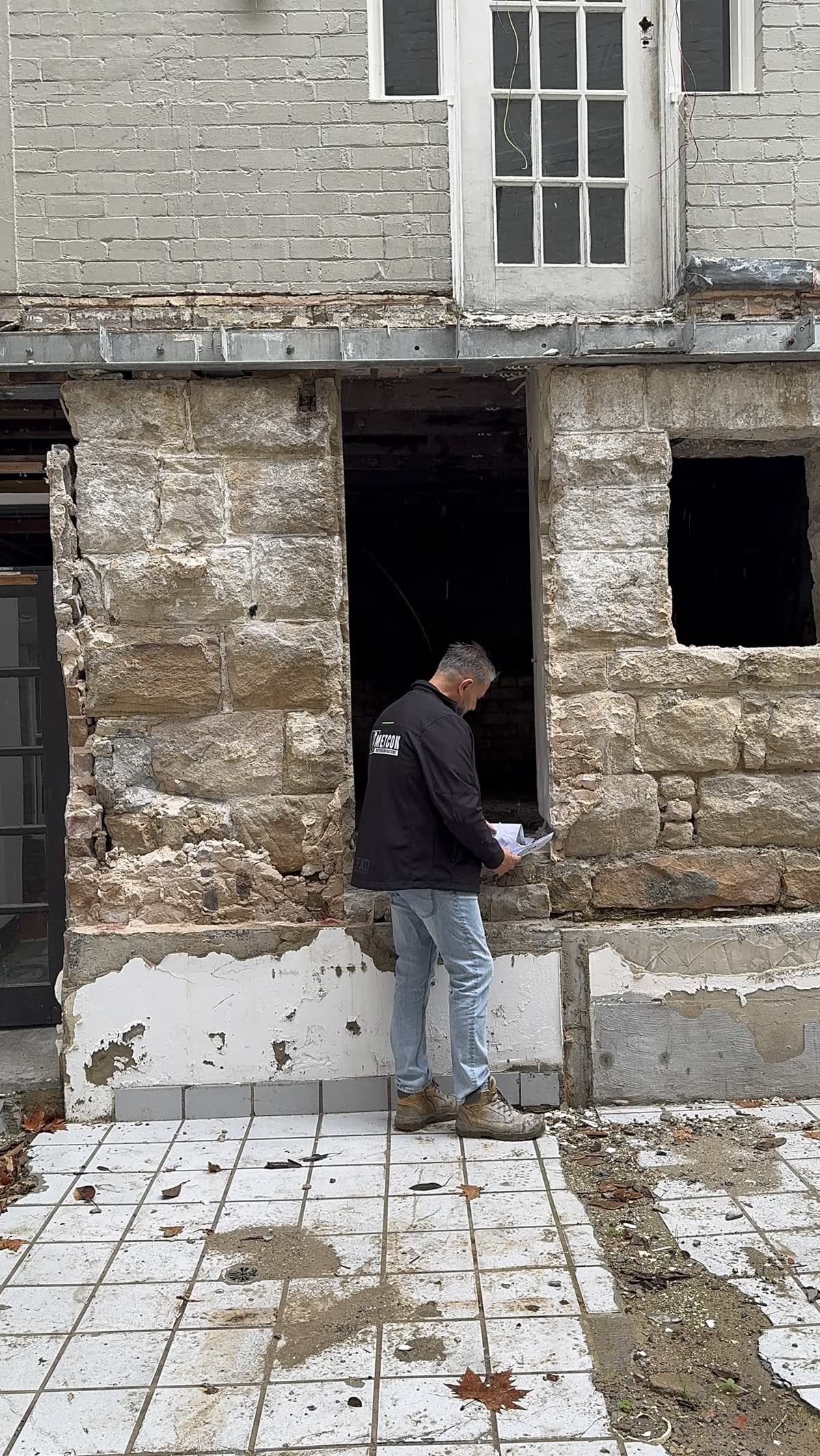
Underpinning is the process of strengthening or extending existing foundations so the building has proper support. In practical terms, that may involve excavating beneath sections of the footing and installing new concrete mass underpinning pins, reinforced concrete supports or other engineered solutions designed for the site.
A qualified underpinning builder in Sydney should not treat every crack the same way. Some buildings need localised underpinning to stabilise one section. Others need broader structural remediation because the issue is tied to drainage failure, retaining pressure, defective footings or changes made to the building over time. On some jobs, underpinning is only one part of the fix.
That broader view matters. If the visible damage is caused by ongoing water ingress or ground movement and those conditions are left in place, even well-executed underpinning may not solve the whole problem. Good builders look at the structure, the site conditions and the engineering intent together.
Signs you may need underpinning
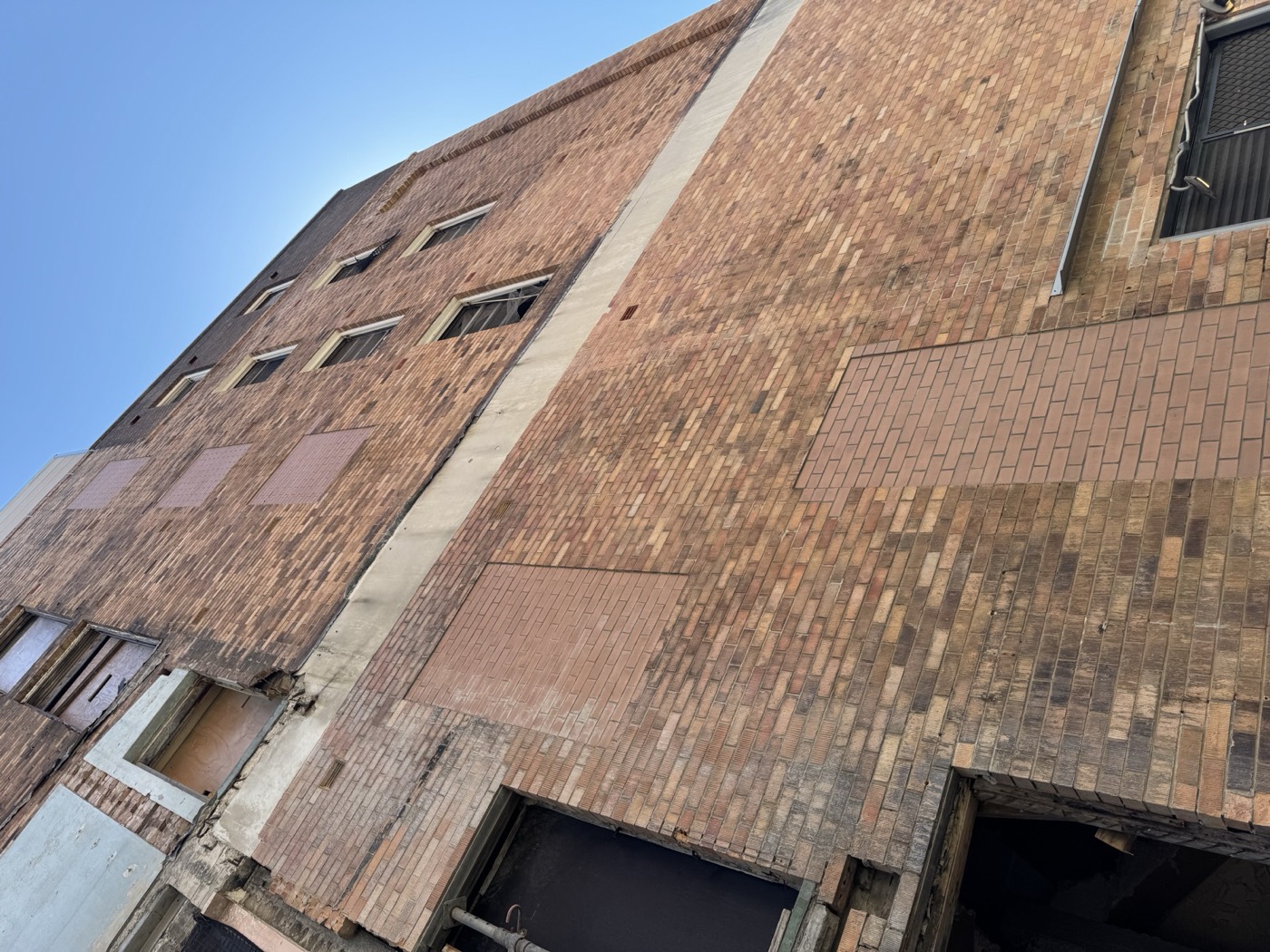
Most owners do not call a builder because they are certain underpinning is required. They call because something looks wrong. Common warning signs include stepped cracking in brickwork, separation around window and door frames, sloping floors, gaps between walls and ceilings, and signs of movement in retaining walls or adjoining external structures.
Not every crack means the footing has failed. Buildings move slightly over time, and some cosmetic cracking can be expected. The issue is pattern, location and progression. A crack that reopens after repair, gets wider across seasons or appears alongside sticking doors and uneven floors deserves proper assessment.
For homeowners planning an extension or first floor addition, underpinning may also come up before visible failure occurs. If the existing footings are not adequate for the extra load, the structure may need strengthening before new work can proceed. In that situation, underpinning is a proactive structural upgrade, not a reaction to damage.
Why engineer-led planning matters
Underpinning is not guesswork. Before works begin, there should be a clear basis for the solution. In most cases that means structural engineering advice, a defined sequence of works and documentation that matches the site conditions.
The reason is simple. Underpinning changes how loads are transferred through the building and into the ground. If sections are excavated in the wrong order, too much is opened at once or the existing footing condition is misunderstood, the structure can be put at risk during the works themselves. This is why experienced builders follow an engineered methodology and stage the job carefully.
It also affects approvals and compliance. Depending on the scope, location and type of property, the project may require council approval, a complying development pathway or formal engineering documentation for construction certification. For commercial assets or multi-unit sites, that process can be more involved again. Shortcuts here create problems later, especially when properties are sold, refinanced or audited for compliance.
How the underpinning process should run
A well-managed underpinning project starts with inspection and review, not excavation. The builder should assess the reported movement, review available plans and engineering information, and identify whether additional investigation is needed. On some sites, that includes drainage review, soil conditions, neighbouring structures and access constraints.
Once the scope is confirmed, the job should be documented properly. That includes the underpinning design or engineer specification, construction sequencing, temporary support requirements if any, and the expected site controls. If approvals are required, they need to be resolved before structural work starts.
During construction, underpinning is usually carried out in stages so the building remains supported throughout. Sections are excavated in a controlled sequence, foundations are prepared to the engineer's detail, reinforcement and concrete are installed as specified, and curing and load transfer are managed carefully. The exact method varies, but the discipline should not.
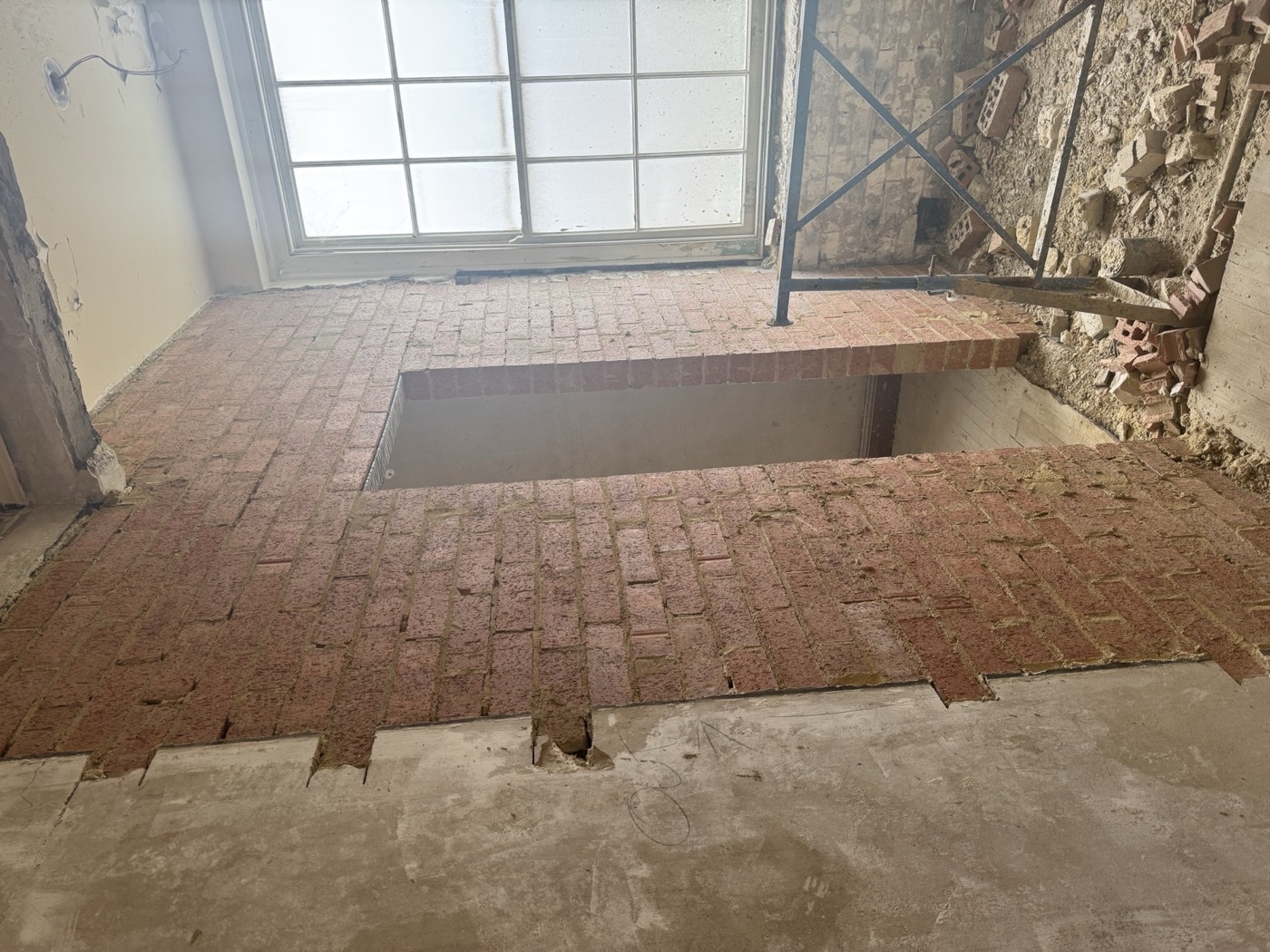
After the underpinning is complete, associated rectification may still be needed. That can include crack repairs, drainage improvements, retaining work, slab or footing integration, and in some cases additional structural remediation. If those items are ignored, the project can look incomplete even when the core foundation work has been done correctly.
Choosing an underpinning builder Sydney owners can trust
The right builder for underpinning is not simply the cheapest quote or the fastest availability. This is structural work. You need a licensed contractor with demonstrated experience in remediation, excavation, concrete and footing systems, and the ability to work directly with structural engineers and certifiers.
Ask direct questions. Who is preparing the structural design? How will the sequence be managed? What approvals are required? What is included in the scope, and what is excluded? Will drainage, excavation spoil, access limitations, adjoining structures and making-good works be addressed in the quote? If the answers are vague, that is a warning sign.
Documentation matters as much as workmanship. You want a builder who is insured, transparent on programme and pricing, and clear about variations if latent conditions are uncovered. Older Sydney properties often reveal surprises once excavation starts. The issue is not whether complications can arise. It is whether the contractor has the systems and experience to deal with them properly.
This is where a full-scope builder has an advantage over a trade-only operator. If underpinning connects to retaining walls, drainage correction, demolition, concrete works or broader structural rectification, having one contractor manage the package reduces handover risk and keeps accountability in one place. For many owners, that is the difference between a controlled project and a drawn-out problem.
Cost, timing and the factors that change both
There is no honest flat rate for underpinning. Costs depend on the number of underpinning sections required, site access, footing depth, soil behaviour, engineering complexity, temporary support needs and whether associated works are bundled in.
A small localised underpinning repair on a straightforward site is very different from stabilising part of a heritage terrace in a tight inner-city location or preparing an existing house for a first floor addition. Commercial sites bring their own complexity with access windows, safety controls and operational constraints.
Timing works the same way. Some jobs move quickly once approvals and design are in place. Others are slowed by weather, restricted access, curing periods, occupied premises or the need to stage works around adjoining assets. A disciplined builder will give you a realistic programme, not an optimistic one.
When underpinning is worth doing
Owners sometimes hesitate because underpinning sounds invasive and expensive. That is fair. It is significant work. But when foundation movement is active, waiting usually does not make the problem cheaper. Cracking worsens, finishes fail, moisture pathways open up and future building works become harder to approve.
On the other hand, underpinning should not be sold where it is not needed. If the issue is cosmetic, isolated or caused by something else, a good builder will say so. The aim is not to prescribe the biggest job. It is to fix the right problem in the right way.
For that reason, the best underpinning projects are the ones built on evidence, engineering and clear site management. No shortcuts, no guesswork. Just a methodical approach to stabilising the structure and protecting the asset.
For Sydney homeowners, developers and asset managers, that is what to look for in an underpinning contractor. Not sales talk. Not broad promises. A licensed builder with structural capability, proper documentation, engineer coordination and the discipline to deliver the work safely and to standard. METCON operates in that space because complex structural jobs need more than labour on site, they need control, compliance and construction that holds up long after the cracks have been repaired.
If your building is showing signs of movement, the most useful next step is not another cosmetic patch. It is getting the structure assessed properly so you can act before a manageable issue turns into a larger one.