A crack over a doorway can look cosmetic until the door stops closing, the floor starts dipping, or the wall shifts again after a quick patch-up. That is where structural repair before and after matters. It is not about polished photos or surface finishes. It is about understanding what failed, what was done to correct it, and whether the building is now stable, compliant and built to last.
For Sydney and broader NSW property owners, that distinction matters more than most realise. Many structural issues sit behind plaster, below slab level, or inside ageing masonry and concrete. The visible damage is often only the symptom. The real question is whether the cause has been properly identified and repaired under engineer direction, with the right documentation and construction method.
What structural repair before and after really shows
When people search for structural repair before and after, they often expect dramatic comparisons. Cracked walls become straight walls. Subsided floors become level. Damaged concrete becomes sound again. Those visual changes matter, but they are only one part of the story.
A proper before-and-after outcome should show three things. First, the original defect or movement pattern. Second, the repair methodology used to rectify it. Third, the condition of the structure after the works, including whether the building is now performing as intended.
That means a genuine before-and-after assessment might include crack mapping, level readings, engineer reports, excavation findings, underpinning details, reinforcement schedules, concrete specifications and completion records. If all you can see is fresh render and paint, you are not really seeing the repair. You are seeing the finish.
Before structural repair: what needs to be established
Before any repair starts, the cause of the problem has to be confirmed. That sounds obvious, but this is where many projects go wrong. A wall crack might be tied to footing movement, poor drainage, reactive soil, failed retaining conditions, inadequate lintels, corrosion in embedded steel or long-term water ingress. Different causes require different repairs.
In residential projects, common warning signs include stepped cracking in brickwork, gaps around windows, sloping floors, jammed doors, separation between walls and ceilings, or movement in retaining walls. In commercial and mixed-use buildings, the signs can include slab settlement, concrete spalling, corrosion-related damage, deflection in structural members or deterioration caused by heavy loading and age.
The before stage should also establish the extent of the issue. Is the movement historic, active or seasonal? Has the structure stabilised, or is it still shifting? Is the damage isolated, or does it point to a broader foundation or load path problem? Without that level of investigation, repairs can become expensive guesswork.
That is why engineer involvement matters. Structural repair should not start with assumptions. It should start with diagnosis, documented scope and a clear sequence of works.
Structural repair before and after in real project terms
The biggest misconception about structural repair before and after is that every project follows the same pattern. It does not. A footing issue under a freestanding home in Western Sydney is a different job to concrete remediation in a strata building near the CBD, or retaining wall failure on a sloping block in the Northern Beaches.
The method depends on the failure.
Footing movement and underpinning
Before repair, you may see cracked masonry, uneven floors and movement around openings. The actual cause may be subsidence, soil movement or inadequate founding depth. In those cases, underpinning may be required to transfer loads to more stable ground.
After repair, the key outcome is not that every old crack disappears. In many cases, some cracking is repaired cosmetically only after the structure has been stabilised. The real result is that the footing system is reinforced or extended, the movement is addressed at its source, and the building has a sounder base.
Retaining wall failure
Before repair, retaining walls often show leaning, bulging, cracking, poor drainage discharge or signs of pressure build-up behind the wall. Left too long, that can affect surrounding structures, boundaries and site safety.
After repair, the difference should be more than a new wall face. A compliant retaining solution includes proper footing design, drainage, reinforcement and construction suitable for the retained load and site conditions. A neat finish means little if the wall is still under-designed.
Concrete spalling and structural remediation
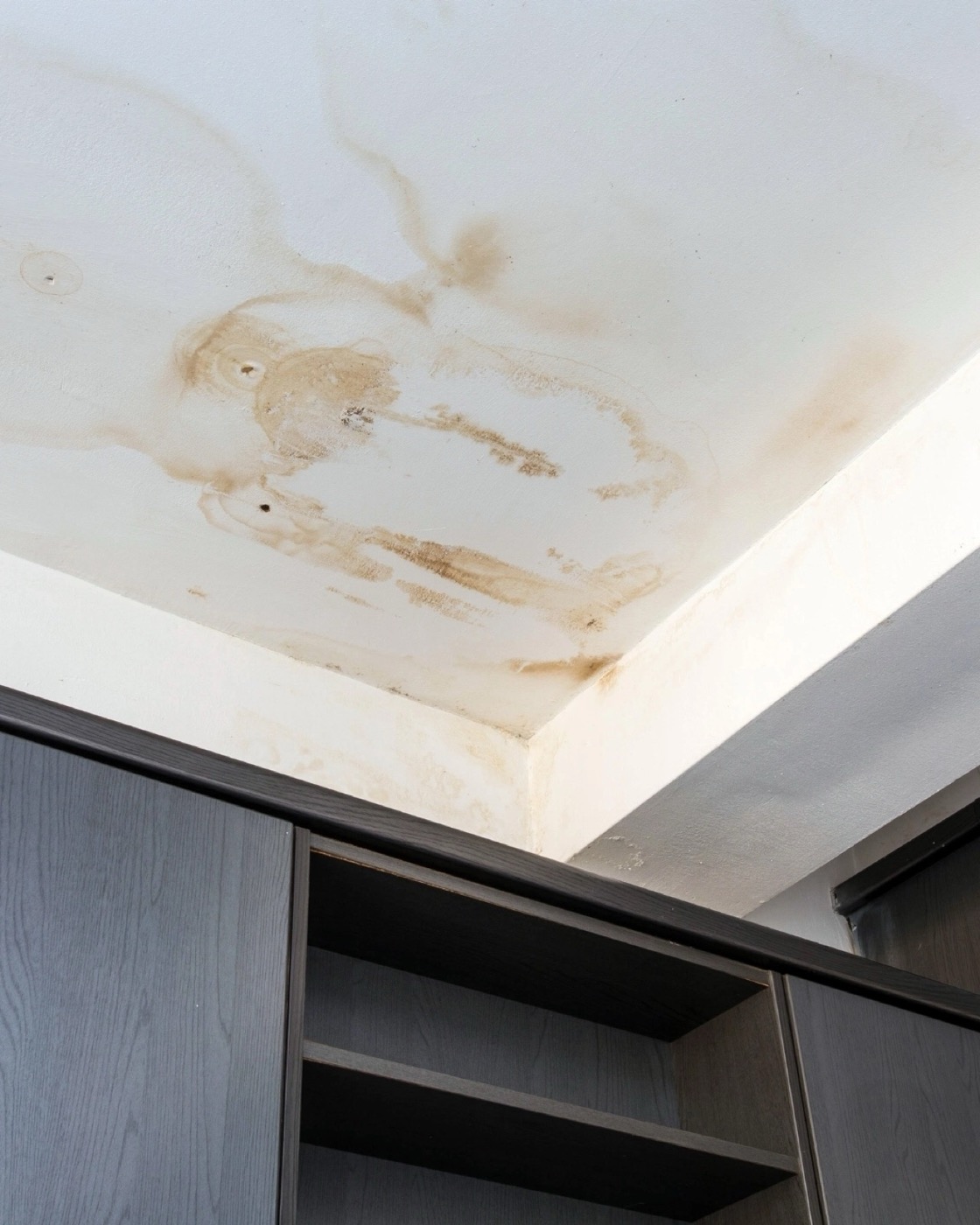
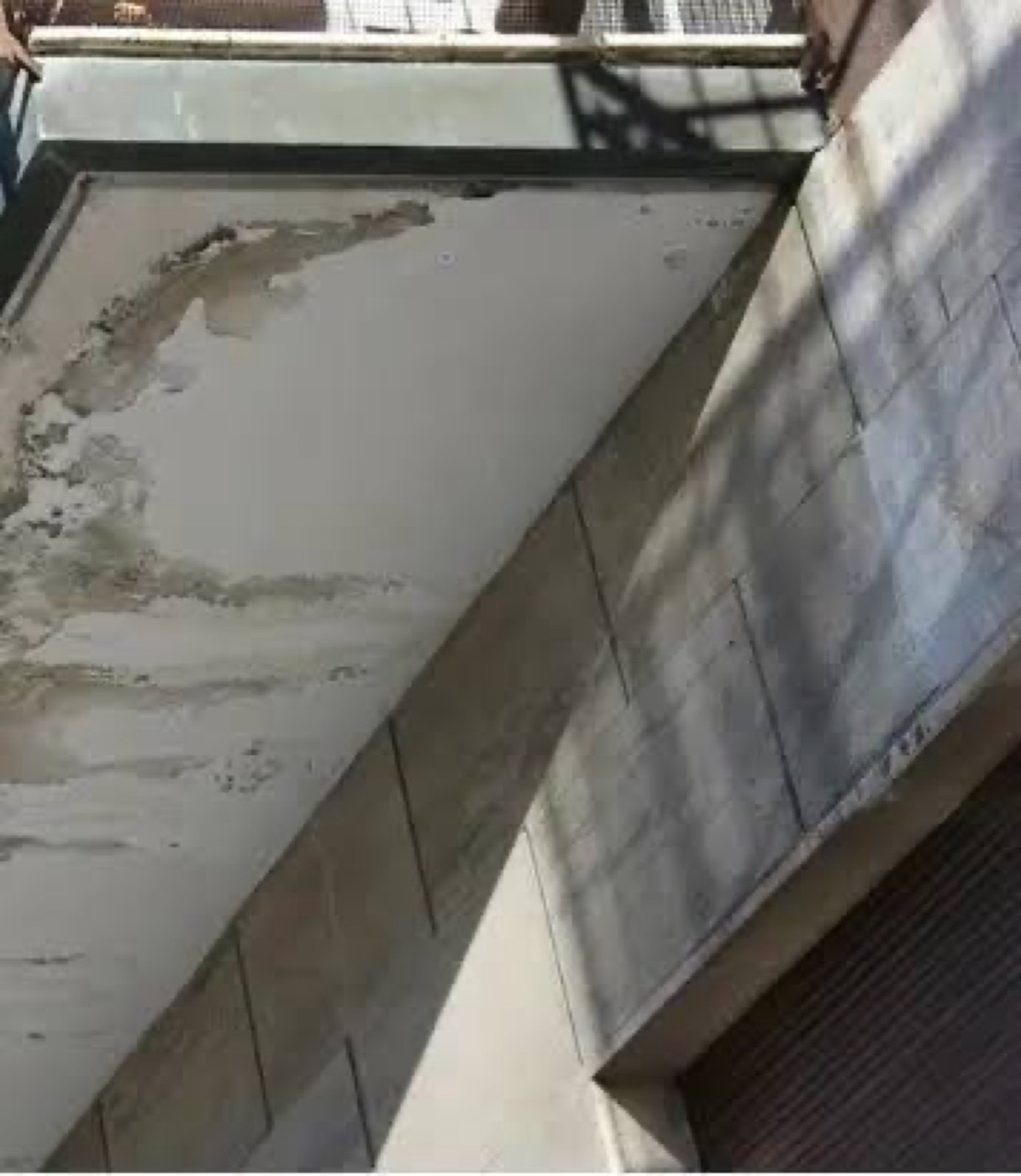
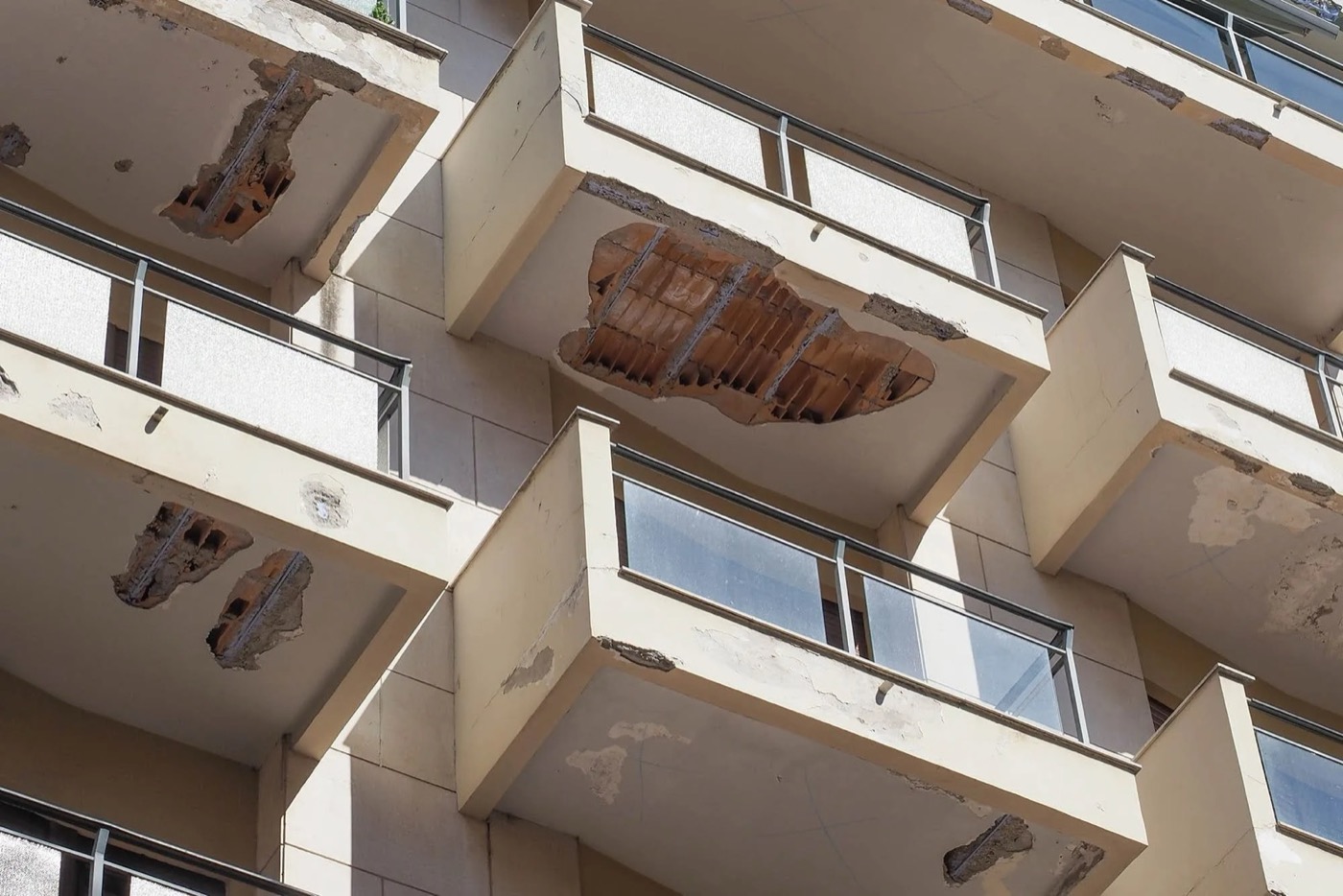
Before repair, deteriorated concrete may show rust staining, cracking, delamination or exposed reinforcement. The underlying problem is often moisture ingress or corrosion of steel within the concrete.
After repair, the standard of the work depends on preparation and reinstatement. Loose material should be removed properly, affected reinforcement treated or replaced where required, and repair mortars or concrete applied to specification. The finished surface may look clean, but the repair only counts if the structural integrity has been restored.
Why cosmetic fixes often fail
A fresh coat of paint can hide a crack for a few months. New plaster can mask movement until the next wet season. Repointing brick joints may improve appearance while the footing problem continues below. This is the gap between cosmetic patching and structural rectification.
Clients often call after a previous fix has failed. The reason is usually simple. The visible symptom was treated, but the structural cause was not. That might mean drainage was ignored, footing instability was left untouched, reinforcement corrosion was not fully addressed, or engineer details were never followed.
There is also a timing issue. Some defects need staged work. For example, a building may need to be stabilised first, monitored, and only then have internal finishes repaired. Rushing to the final appearance can waste time and money if movement is still active.
What a compliant after result should include
A proper after condition is not measured only by appearance. It should be supported by records, approvals where required, and workmanship that aligns with the project documentation.
For many structural jobs, that means the after stage should include evidence that the works were built to engineer specifications, suitable materials were used, inspections were completed and the scope was carried out by a licenced and insured contractor. Depending on the project, that can also involve council approvals, certification and updated documentation for owners or asset managers.
This matters for more than peace of mind. It affects resale, insurance, future renovations and liability. If a structural repair has been done without proper design input or records, the issue can come back during due diligence, tenancy works, refinancing or later development.
For clients managing complex projects, that is why one coordinated builder makes a practical difference. Where structural remediation ties into demolition, excavation, formwork, concrete, steel fixing, retaining works or full reinstatement, fragmented trades can create delays and gaps in accountability. A disciplined construction team managing the sequence from investigation through to handover reduces that risk.
How to judge structural repair before and after properly
If you are reviewing a contractor's past work or assessing your own property, focus on the substance behind the transformation.
Ask what caused the defect, how that cause was confirmed, whether an engineer was involved, what structural method was used and what documentation exists after completion. Ask whether drainage, footing conditions, soil pressure, reinforcement condition or load transfer were considered where relevant. Ask what was repaired structurally and what was only reinstated cosmetically.
Good operators will answer directly. They will not rely on vague claims or polished site photos alone. They will explain the scope, the sequence, the trade-offs and the compliance path.
There are always trade-offs. Some repairs are invasive because the problem sits below ground or inside the structure. Some jobs can be localised, while others require broader rectification once the building is opened up. Some movement can be stabilised but not reversed completely. Straight answers matter because structural work is not a styling exercise. It is risk management, engineering coordination and disciplined construction.
Why the before stage is often the most important part
The strongest after result usually comes from a thorough start. Early investigation can prevent the wrong scope, reduce variation risk and avoid repeat work. It can also show when a problem is less severe than feared, which matters just as much.
For homeowners, that means not panicking at every crack, but not ignoring warning signs either. For developers and commercial asset managers, it means treating structural defects as technical issues that need proper assessment, not maintenance items to push down the line.
At METCON, that approach is straightforward, identify the issue properly, coordinate with engineers, manage approvals where needed, and build the repair to Australian Standards without shortcuts or guesswork.
If you are looking at structural repair before and after, look past the finished surface. The real measure of success is whether the structure is stable, the repair is documented, and the job has been built right for the long term.