Cracks that keep widening, leaking balconies, rusting concrete and movement in walls are not cosmetic problems. They are warning signs. Remedial building work is about finding the actual cause, not covering over the damage and hoping it holds.
For property owners and managers in Sydney and across NSW, remedial projects usually start after something has already gone wrong. Water is getting in. Concrete is breaking down. A wall is moving. Tenants are complaining. An engineer has flagged a defect. At that point, the quality of the response matters just as much as the quality of the repair itself.
What remedial work actually means
In construction, remedial work refers to repairs and corrective building works carried out to fix defects, deterioration, damage or non-compliant construction. That can include structural remediation, concrete repair, waterproofing rectification, crack repair, corrosion treatment, underpinning, façade repairs and rebuilding failed elements.
The key point is that remedial work is not general maintenance. Maintenance keeps a building in serviceable condition. Remedial work corrects a fault, failure or degraded condition that has already affected performance, safety or compliance.
That distinction matters because remedial projects often require more than trades on site. They may need structural engineering input, demolition of failed work, council or strata coordination, detailed documentation and staged construction to keep the building safe while the defect is addressed.
Why remedial projects go wrong
Most failed remedial jobs do not fail because the repair product was wrong. They fail because the diagnosis was incomplete.
A crack in masonry might be caused by footing movement, not the wall itself. Spalling concrete might be driven by moisture ingress and corroding reinforcement, not surface wear. A leaking planter box or balcony might be sending water into multiple areas that look unrelated. If the source is missed, the repair becomes temporary by default.
Another common problem is fragmented scope. One contractor patches concrete, another applies waterproofing, another repaints, and no one takes responsibility for the entire build-up or the underlying structural issue. That is where defects return, arguments start and costs increase.
Remedial work needs a clear line between investigation, engineering, approvals where required, site execution and final sign-off. No shortcuts, no guesswork.
Common types of remedial building work
Structural remedial work
This covers defects that affect the integrity or stability of a structure. It can involve cracked or displaced walls, failed lintels, slab issues, corroded steel, damaged load-bearing elements or movement caused by poor founding conditions. Depending on the defect, the solution may include structural steel installation, concrete strengthening, rebuilding affected sections or underpinning.
Concrete cancer and concrete repair
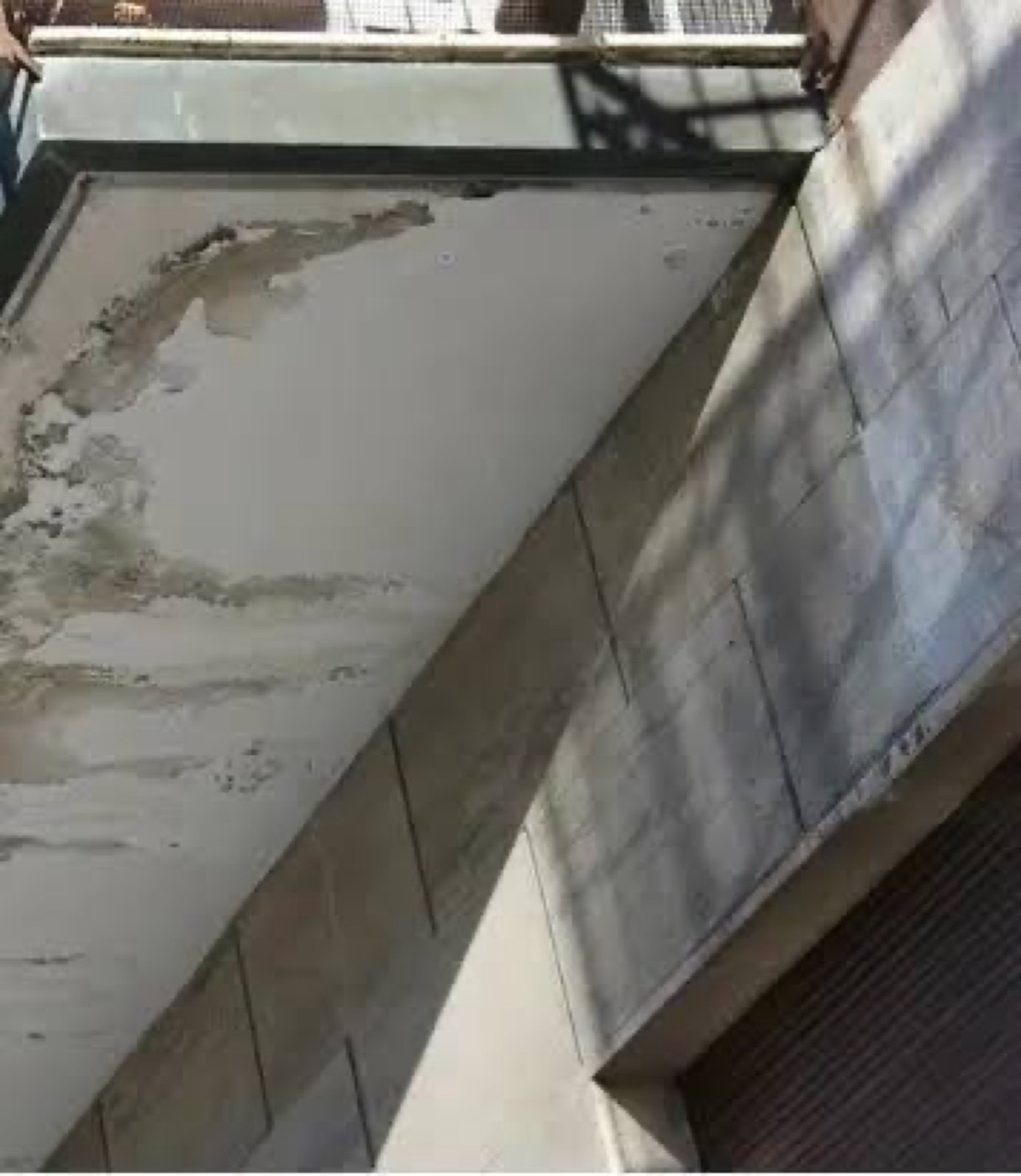
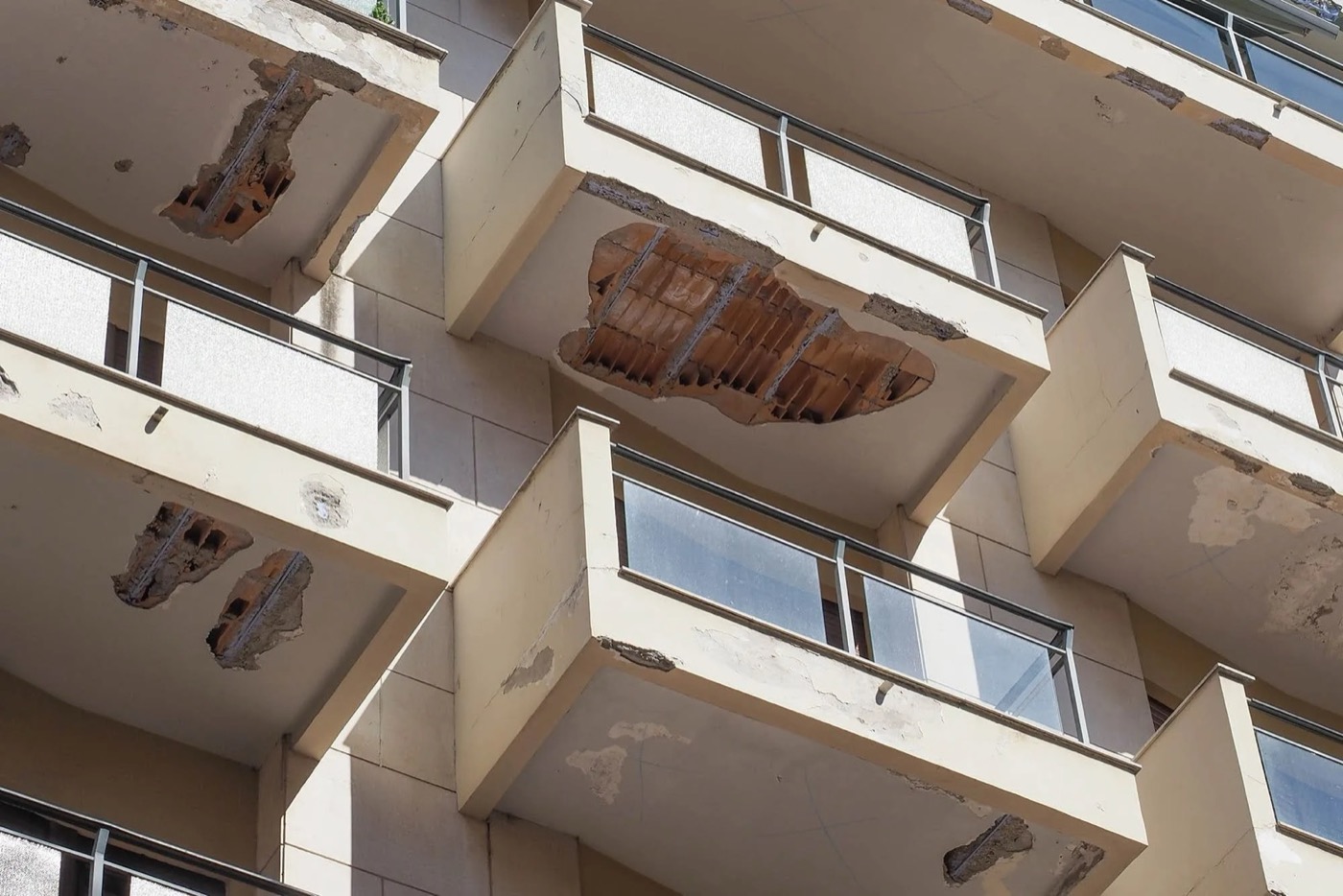
In many older buildings, moisture and salts reach the reinforcement inside concrete. The steel corrodes, expands and starts breaking the concrete apart. What looks like a small patch of delamination can point to wider deterioration beneath the surface. Proper repair usually means removing unsound concrete, treating or replacing affected steel, reinstating the section with suitable repair materials and addressing the moisture path that caused the problem.
Waterproofing rectification
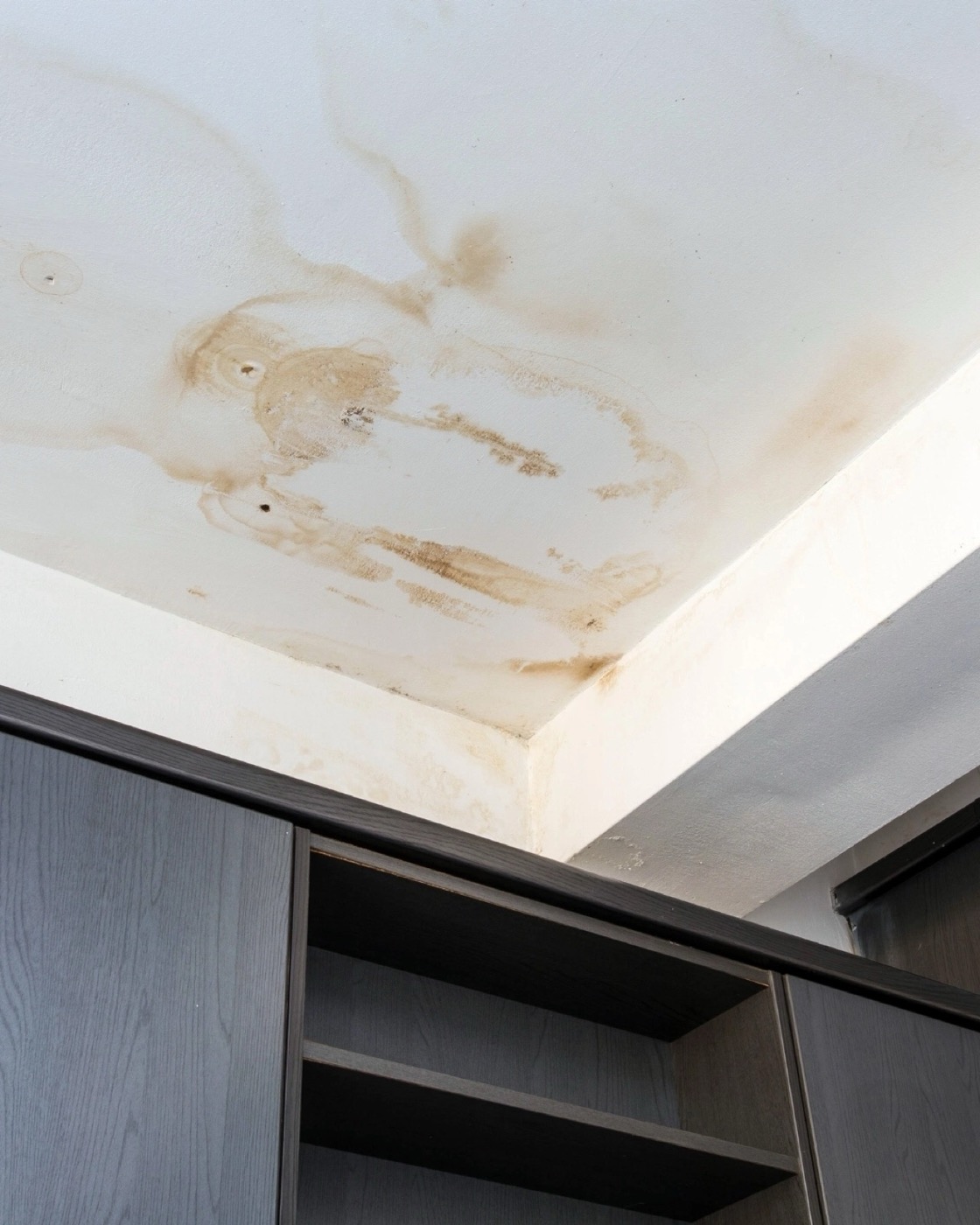
Leaks are one of the most common triggers for remedial work, especially in balconies, rooftops, planter boxes, podiums, basements and wet areas. The repair may involve strip-out, substrate correction, membrane replacement, drainage improvements and reinstatement of finishes. Surface sealing alone rarely fixes a failed waterproofing system for long.
Underpinning and footing repairs
If a building is moving due to reactive soils, poor bearing conditions, washout, nearby excavation or failed footings, underpinning may be required. This is specialised work and should be driven by engineering, sequencing and close site control. It is not the type of job where trial and error is acceptable.
Façade and masonry remediation
Loose masonry, cracking brickwork, failing mortar joints and deteriorated render can create both safety and water ingress issues. The right scope depends on whether the problem is structural, moisture-related or simply material breakdown over time. Again, the cause comes first, then the repair method.
The real process behind proper remedial work
A sound remedial project starts with investigation. That may involve engineer inspections, opening up affected areas, reviewing original drawings if available and identifying how water, movement or deterioration is travelling through the structure. Without that stage, pricing can be misleading and scope can be incomplete.
Once the issue is understood, the repair methodology needs to be documented clearly. This includes what is being demolished, what is being retained, how the structure will be supported if required, what materials are to be used and how compliance will be managed. For many owners, this is where the difference between a licensed builder and a patch-and-paint operator becomes obvious.
Then comes sequencing. On remedial jobs, the order of works matters. If demolition happens before temporary support is in place, risk increases. If waterproofing is installed before the substrate is corrected, the system can fail again. If concrete repairs are done before the corrosion source is dealt with, deterioration can continue behind the finished surface.
Execution has to follow the documentation, and the documentation has to reflect the actual site condition. That sounds simple, but it is where discipline counts.
Compliance is not optional in remedial construction
Remedial works often sit in a grey area for owners because they can look like repairs while carrying the same technical risk as new construction. If structural elements are being altered, demolished, supported or rebuilt, compliance is a live issue.
That means working to engineer details, relevant Australian Standards, manufacturer requirements where applicable and local approval pathways when triggered. It also means keeping proper records. For strata buildings, commercial assets and managed properties in particular, documentation is part of the deliverable, not an extra.
Insurance, site safety, defect reporting, variations and completion records all matter. If a project involves common property, occupied areas or public interface, the builder also needs to manage staging and communication properly. A good remedial outcome is not just a repaired surface. It is a documented, durable and defensible result.
What property owners should ask before approving remedial work
If you are comparing remedial builders, the cheapest quote rarely tells the full story. The better question is whether the scope matches the actual defect.
Ask what investigation has been done and whether the underlying cause has been identified. Ask whether an engineer is involved where structural movement, concrete deterioration or footing issues are present. Ask what is included in demolition, making good, protection of surrounding areas and disposal. Ask how latent conditions will be managed if more damage is found once works open up.
You should also ask who is responsible for coordination. Remedial projects often involve multiple moving parts, structural work, concrete repairs, waterproofing, finishes and compliance documentation. If that responsibility is split between too many parties, accountability disappears quickly.
Why experience matters more in remedial work
New construction starts with a clean set of drawings and a known sequence. Remedial work does not. Existing buildings carry unknowns. Hidden damage, access issues, previous poor repairs, non-compliant old work and occupied conditions all make the job more complex.
That is why remedial work needs builders who are comfortable with structural issues, demolition, temporary works, concrete and steel coordination, and practical problem-solving on live sites. The job is not just to repair what is visible. It is to manage what gets uncovered without losing control of programme, cost or compliance.
This is also where an end-to-end contractor has a real advantage. If the same team can coordinate structural remediation, excavation, concrete, formwork, steel fixing, demolition and rebuilding, the project tends to run with fewer gaps and fewer excuses. For clients, that usually means clearer timelines and better accountability.
Remedial work is not the place for shortcuts
A building defect can stay small for a while, then become expensive very quickly. Water ingress spreads. Reinforcement continues to corrode. Movement causes secondary cracking. Temporary patching may buy time, but it rarely reduces the final scope.
Done properly, remedial work protects the building, restores performance and reduces the risk of repeat failure. That means clear diagnosis, engineered methodology, licensed construction and disciplined delivery on site. It is the approach METCON brings to structural and compliance-heavy projects across Sydney and NSW.
If a defect has shown up, the right next step is not to hide it. It is to get a straight answer on what caused it, what it will take to fix it properly, and whether the proposed scope will still make sense five years from now.