A retaining wall builder is often called in after the problem has already become obvious, soil slipping, water pooling, fencing leaning, or a sloped block limiting how the site can actually be used. By that point, the cheapest quote usually stops looking cheap. Retaining walls are structural work. If the design, footing, drainage or approvals are handled poorly, the repair bill can be far larger than the original build.
That is why choosing the right contractor matters. Not just a team that can stack blocks or pour concrete, but a licensed builder who understands ground conditions, engineer requirements, excavation, stormwater management and compliance. In Sydney and across NSW, where sites can vary from tight urban blocks to steep coastal and bushland lots, that distinction matters.
What a retaining wall builder should actually manage
A proper retaining wall job is rarely just about the wall face. The visible finish is only one part of the build. Behind it sits the real work, excavation, footings, reinforcement, drainage, backfill, waterproofing where required, and integration with the rest of the site.
A capable retaining wall builder should be able to assess the practical scope from the start. That includes how access affects construction, whether machinery can reach the area, how spoil will be removed, what sits above and below the proposed wall, and whether neighbouring structures, driveways or boundaries create risk. If the wall supports surcharge loads such as vehicles, buildings or pools, the technical demands increase again.
This is also where many projects get underestimated. A low garden wall and a structural retaining wall are not the same thing. Once a wall is holding back significant soil, protecting adjacent assets or supporting changes in level near a structure, the build needs to be treated accordingly.
Why engineering and compliance are not optional
If a contractor talks about retaining walls as if they are a simple landscaping item, that should raise questions. In many cases, retaining walls require engineer input, approval pathways and strict adherence to Australian Standards and site-specific documentation.
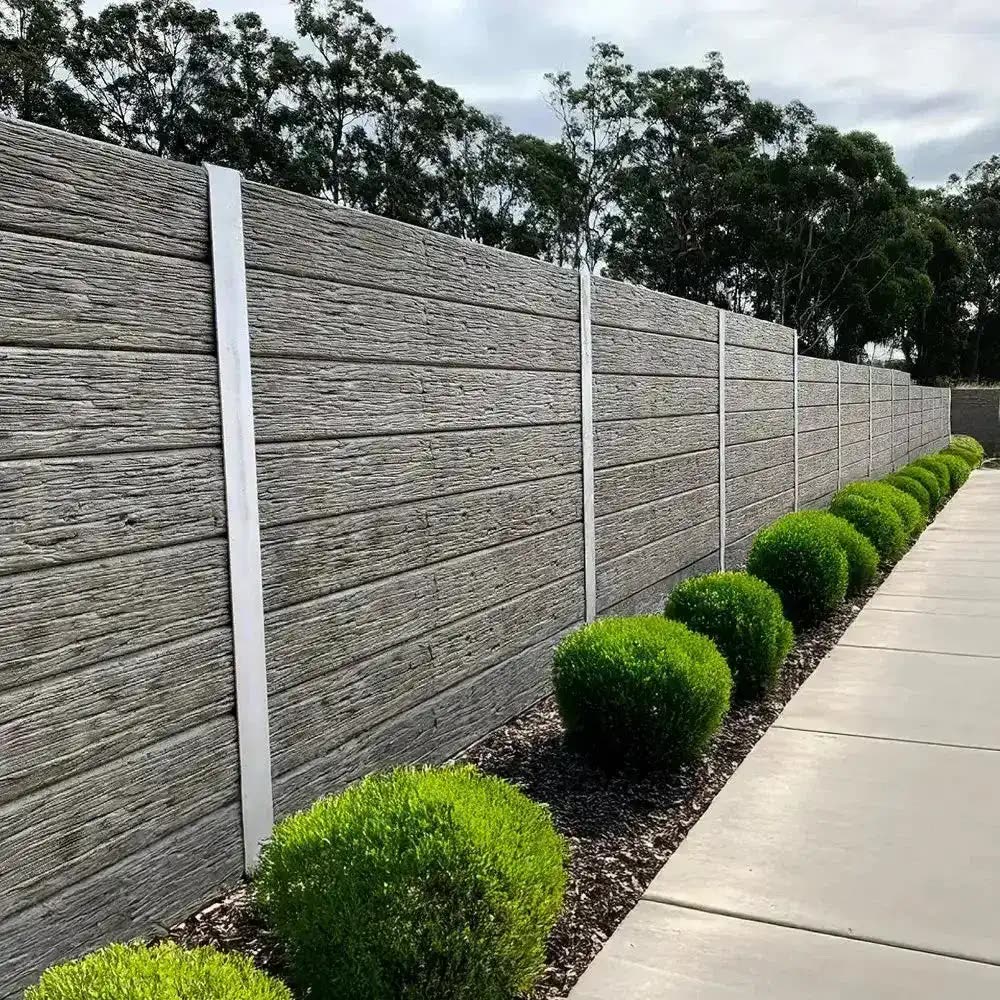
The wall type matters. Concrete sleeper walls, reinforced masonry, in-situ concrete and other structural systems each have different design demands. The right option depends on height, load, soil conditions, drainage requirements, site access, finish expectations and budget. There is no single best wall for every block.
In NSW, approval requirements can also vary depending on the wall height, its location, drainage implications and the wider scope of work. If excavation, boundary conditions or structural loading are involved, assumptions are risky. A disciplined builder should be clear about what needs to be documented, what requires engineering, and whether council or certifier approval applies.
Good construction is not guesswork. It is documented, checked and built to specification.
Drainage is where many retaining walls fail
Most wall failures are not dramatic on day one. They show up over time. Pressure builds behind the wall, water has nowhere to go, the backfill becomes saturated, and movement starts. Cracking, bulging, leaning and surface erosion are often signs that drainage was treated as an afterthought.
A reliable retaining wall builder understands that drainage is part of the structure, not an add-on. That means suitable drainage material behind the wall, agricultural pipework where specified, discharge planning, and a build method that manages water properly from the start. On some sites, stormwater constraints are as important as the wall itself.
If a quote looks light on drainage detail, ask why. It is one of the easiest places for shortcuts to be hidden and one of the most expensive defects to fix later.
What to look for when comparing builders
Price matters, but it should not be the only filter. A retaining wall quote can vary widely because contractors are not always pricing the same scope. One may include excavation, spoil removal, drainage, engineering coordination and certification requirements. Another may allow only for the wall face and leave the rest to variation.
The better approach is to compare how each builder handles the full project. Are they licensed and insured? Do they work from engineer details? Can they explain footing depth, reinforcement, backfill and drainage in plain terms? Are approvals and inspections clearly addressed? Is access, machinery and site reinstatement included in the price?
Clarity is a strong sign of competence. Vague language usually becomes a problem once work starts.
Questions worth asking a retaining wall builder
Ask who is responsible for engineering coordination, how drainage will be handled, what approvals are required, and whether excavation and spoil removal are included. Ask what assumptions sit behind the quote. Ask how the builder deals with latent site conditions if rock, buried services or unstable ground are encountered.
You should also ask about sequencing. On constrained sites, retaining wall work often affects fences, driveways, landscaping, structures and neighbouring properties. A builder with broader structural and civil capability will usually manage these interfaces more effectively than a trade-only operator focused on one narrow part of the job.
That broader capability can make a major difference on residential and commercial sites where the retaining wall is tied into a larger build, remediation or site upgrade.
The risks of choosing on price alone
A retaining wall can look finished while still being built poorly. That is part of the risk. Defects are often hidden behind backfill, below ground level or inside the structure. By the time movement appears, access for repairs can be difficult and expensive.
The lowest quote may exclude engineer-designed reinforcement, understate excavation complexity, omit drainage components or rely on undersized footings. In some cases, the contractor may not be equipped to manage approvals or inspection requirements properly. That can expose the owner to delays, rectification costs and compliance issues.
This does not mean the highest quote is automatically the best. It means the scope has to be examined properly. Good builders are usually transparent about what is included, what is excluded and where site conditions may affect cost.
Straight answers early are worth more than a cheap number that shifts later.
Why site conditions change the answer
Retaining walls are highly site-specific. A wall on a flat suburban lot with clear access is one thing. A wall on a steep site in the Hills District, a tight Inner West block, or a coastal property with drainage sensitivity is another.
Soil type, groundwater, nearby structures, tree roots, easements, boundary proximity and machine access all influence the design and construction method. Even the same wall height can require a different solution from one property to the next.
That is why experienced builders avoid blanket promises. The right advice often starts with a site inspection, a realistic review of constraints, and early involvement from the structural engineer where needed. No shortcuts, no guesswork.
One contractor or multiple trades?
Some retaining wall projects are straightforward enough to be handled as a standalone package. Others sit inside a wider scope that may include demolition, excavation, footings, concrete works, structural remediation or residential construction. In those cases, fragmentation becomes a risk.
When several trades are engaged separately, responsibility can get blurred. If drainage fails, was it the excavator, the wall installer or the landscaper? If levels do not match the approved drawings, who owns the issue? If delays occur, who resets the programme?
That is why many owners prefer a licensed builder that can manage the work end to end. A company with structural, civil and building capability can coordinate the interfaces properly, keep documentation aligned and reduce the chance of problems being pushed between subcontractors. For complex sites across Sydney and NSW, that level of control is often the safer option. METCON works in that space by combining retaining wall delivery with the wider structural and construction scope around it.
Signs you are dealing with the right builder
You are usually not looking for the best sales pitch. You are looking for discipline. The right builder will ask practical questions about the site, explain the construction method clearly, and be upfront about engineering, approvals, access and drainage. They will provide a detailed scope, realistic pricing and proper documentation.
They should also be comfortable discussing trade-offs. For example, one wall system may be faster to install but less suited to tight access. Another may offer better long-term durability but cost more upfront. Honest advice does not oversimplify the decision.
A well-built retaining wall should do its job quietly for years. It should manage soil, water and load without movement, and it should fit the broader site rather than creating new problems around it. That only happens when the builder treats the work as structural construction, not cosmetic edging.
If you are choosing a retaining wall builder, look past the face of the wall and focus on what sits behind it, design, drainage, approvals, workmanship and accountability. That is where the long-term result is decided.