A retaining wall can look straightforward from the street and still be carrying real structural risk behind it. When soil pressure, drainage, surcharge loads and boundary conditions are not properly resolved, failure is rarely cosmetic. It can affect adjoining structures, services, access, safety and council compliance. That is why engineered retaining wall solutions matter, especially on Sydney sites where sloping blocks, tight access, variable ground conditions and neighbouring assets are common.
For homeowners, developers and commercial property managers, the issue is not simply choosing a wall type. The real question is whether the wall has been designed and built for the actual site conditions, with the right approvals, the right sequencing and the right construction detail. A wall that is overbuilt can waste budget. A wall that is underdesigned can become a costly defect. Good outcomes sit in the middle, engineered correctly, documented properly and built to specification.
Why engineered retaining wall solutions are different
A true engineered retaining wall is not based on appearance alone. It is based on load paths, footing design, drainage, batter, retained height, soil classification and what sits above and below the wall. That might include driveways, fences, pools, structures, neighbouring buildings or future building works.
This is where many projects go wrong. Clients are often given a price for "a retaining wall" before anyone has properly reviewed the site constraints. On paper, that can look efficient. On site, it often creates variation claims, delays or non-compliant work once excavation starts and actual conditions are exposed.
Engineered retaining wall solutions account for what the wall needs to do, not just what it needs to look like. In practice, that means the retaining wall design should respond to geotechnical conditions where required, structural engineering, stormwater management, excavation methodology and access constraints. It also needs to align with the broader project, whether that is a new build, an extension, demolition works, underpinning, or external civil upgrades.
What drives retaining wall design on NSW sites
The retained height is only one part of the picture. Two walls of the same height can require very different construction approaches depending on what is being retained and what sits nearby.
A wall supporting a landscaped backyard on a wide suburban block is a different proposition from a wall near a boundary, below a driveway, beside a footing system or close to existing services. Add poor drainage, reactive soil or restricted excavation access and the build method changes again.
In Sydney and surrounding areas, common factors include sandstone, filled ground, clay movement, sloping access and built-up boundaries. These conditions affect excavation stability, footing depth, drainage detail and temporary works. There is no single wall type that suits every site. It depends on the engineering, the approvals and the buildability.
Choosing the right engineered retaining wall solution
Concrete sleeper walls, reinforced concrete walls, block retaining walls, bored pier systems and masonry retaining structures all have their place. The right option depends on structure, budget, access, finish and lifespan expectations.
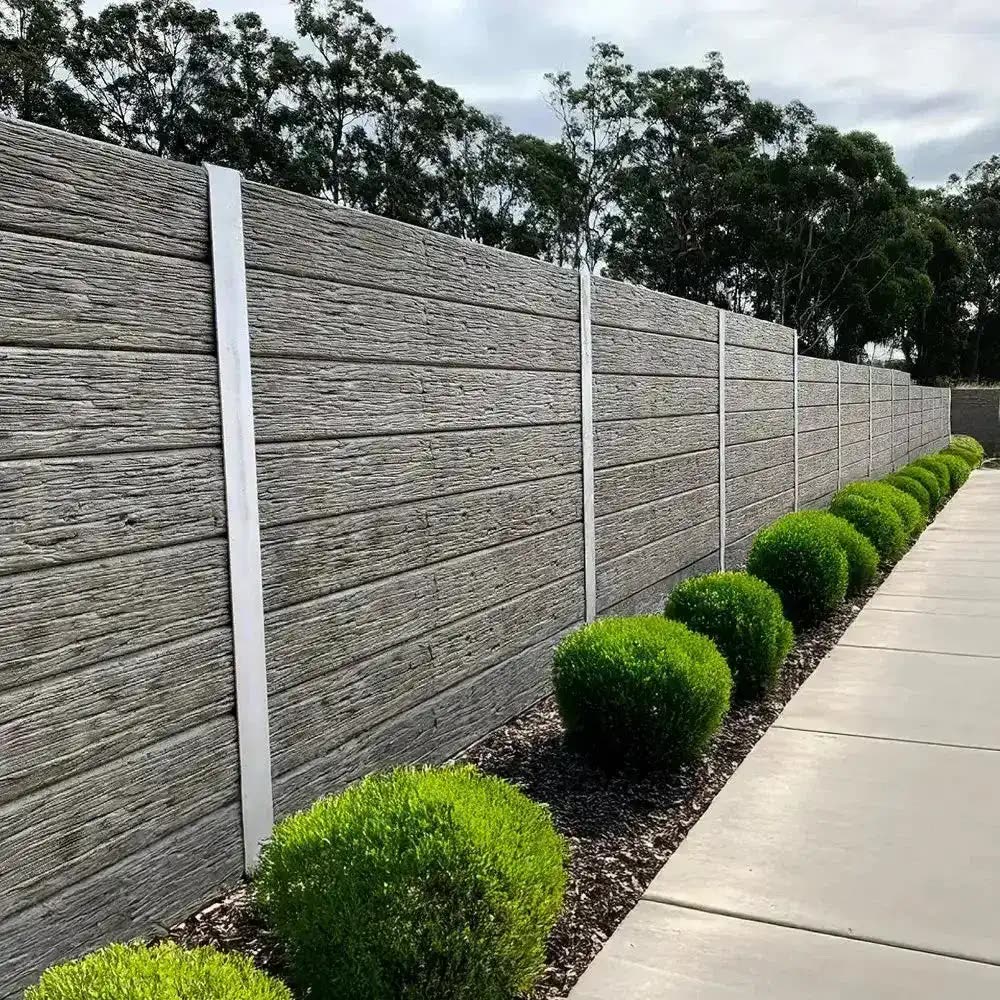
Concrete sleeper systems are often efficient where access is manageable and the retained heights suit the design. They can provide a neat finish and relatively fast installation. But they still require proper engineering, drainage and footing execution. They are not a shortcut around design obligations.
Reinforced concrete retaining walls are often the better choice where loads are higher, space is tight or the wall needs to integrate with other structural elements. They suit more demanding applications, but they require disciplined formwork, steel fixing, concrete placement and curing. If any of those steps are rushed, the finish and long-term performance can suffer.
Masonry and block systems can work well in the right setting, particularly where architectural finish matters. The trade-off is that workmanship quality, core filling, reinforcement and waterproofing detail become critical. These systems need to be built exactly as specified. Close enough is not good enough.
On some projects, the best solution is not one wall system from start to finish. It may be a combination of excavation, footing redesign, stepped walls, drainage upgrades and associated external works. That is often the case on constrained sites or where retaining works connect to a larger building scope.
Drainage is where retaining walls often fail
Most retaining wall problems do not start with concrete or blockwork. They start with water. Hydrostatic pressure builds behind the wall, drainage outlets are missing or undersized, backfill is wrong, or stormwater has not been dealt with properly.
A well-built wall with poor drainage is still a poor wall.
That is why drainage should never be treated as a minor add-on. The wall needs the correct drainage layer, ag pipe arrangement where required, discharge path, backfill specification and surface water control. If neighbouring runoff or roofwater is entering the retained zone, that must be addressed as part of the project. Otherwise the wall is being asked to perform under conditions it was never designed to handle.
This is one of the clearest differences between a trade-only install and a properly managed construction scope. The wall does not sit in isolation. It is part of the site system.
Compliance, approvals and documentation matter
Retaining wall work can trigger structural certification, council requirements, boundary considerations and approval pathways depending on the scope and location. If the wall is tied to a new build, extension, granny flat, driveway or major site rework, the compliance pathway becomes even more important.
Property owners often underestimate this part because the physical wall is what they can see. The documentation behind it is what protects the project. Engineering drawings, footing details, inspection hold points, stormwater coordination and as-built alignment all help reduce disputes and keep the work defensible.
For commercial operators and asset managers, this is not optional. Documentation supports compliance, maintenance planning and contractor accountability. For homeowners, it helps avoid the much more expensive problem of discovering missing approvals or undocumented structural work later.
METCON approaches retaining wall projects with that broader view, coordinating engineer-led requirements, approvals and on-site delivery so the wall is not treated as a standalone trade item when it clearly affects the structure and function of the site.
Buildability is as important as design
A retaining wall can be correctly designed and still become difficult if the construction sequence has not been thought through. Access for excavation plant, spoil removal, temporary support, neighbouring asset protection and service location all need to be resolved before work starts.
This is particularly relevant on narrow blocks, rear access sites and built-up urban areas across Sydney. You may have a compliant design, but if the site cannot be excavated safely or if adjoining structures require staged works, the construction methodology must respond.
That is why experienced delivery matters. A builder handling excavation, footings, concrete, structural coordination and remediation in-house or under one managed scope is in a better position to control sequencing and quality. Fragmented subcontractor arrangements can create handover gaps, especially when issues arise below ground.
Cost: what clients should actually compare
Price matters, but only if you are comparing like for like. A lower quote can reflect missing drainage provisions, reduced reinforcement, shallow footing assumptions, excluded spoil removal, no allowance for access constraints or vague engineering responsibility.
The better question is what has been allowed for and what has not.
When reviewing retaining wall proposals, clients should be looking for clarity around design basis, excavation scope, disposal, drainage, concrete strength, reinforcement, finishes, certification and exclusions. If those items are unclear, the quote is not really fixed. It is just incomplete.
A more disciplined scope may not always be the cheapest on day one, but it is often the cheaper path across the life of the asset. Rectification work on failed retaining walls is usually more difficult and more expensive than building them properly the first time.
When retaining walls connect to bigger construction works
Many retaining wall projects are not just retaining wall projects. They sit inside larger residential or commercial works such as cut-and-fill preparation, basement or footing excavation, external access upgrades, drainage renewal, structural remediation or landscaping tied to a development approval.
That matters because design and delivery decisions need to line up across the whole site. A wall may affect slab levels, boundary treatment, stormwater, driveway grades or future build zones. If different contractors are each working to their own limited scope, conflicts are common.
A coordinated builder-led approach helps reduce those gaps. It keeps the engineering intent connected to the construction programme, and it gives the client one accountable point of responsibility instead of a string of subcontracted opinions.
What a durable result looks like
A durable retaining wall should do its job quietly. No rotation, no cracking from poor footing preparation, no water pressure building behind it, no surprise movement after heavy rain. It should suit the site, comply with the approved documentation and integrate with the surrounding works.
That result comes from discipline more than sales talk. Proper setout. Correct excavation. Engineer-aligned footings. Reinforcement placed correctly. Drainage installed as designed. Backfilling done in the right sequence. Clear records. No shortcuts, no guesswork.
If you are planning retaining works, the safest move is to treat them as structural construction from day one, not as a quick external add-on. The wall you cannot see behind the fill is the part that decides how well the whole site performs.