A shop, office or medical suite can look straightforward on paper, then turn expensive the moment services, approvals and compliance enter the job. That is why commercial fitout costs vary so widely across Sydney. The layout is only one part of the budget. The real cost sits in what has to happen behind the walls, above the ceiling and under the floor to make the space legal, workable and durable.
If you are budgeting for a tenancy upgrade, first fitout or refurbishment, the main risk is not simply spending too much. It is under-allowing early, then discovering late-stage costs tied to fire services, hydraulics, electrical capacity, structural changes, acoustic performance or council and certifier requirements. A fitout that is priced too loosely at the start usually gets corrected somewhere in the middle, and that is where programmes slip and disputes start.
What drives commercial fitout costs
Commercial fitout costs are shaped by scope, building conditions and compliance obligations more than by floor area alone. Two tenancies of the same size can land at very different price points if one needs a new amenities block, upgraded switchboard capacity and fire compliance works, while the other only needs partitions, finishes and lighting.
The first cost driver is the intended use of the space. A basic office fitout is generally less complex than a hospitality venue, medical practice or beauty clinic. Once you introduce grease traps, mechanical exhaust, infection control requirements, accessible amenities or specialist joinery, the budget moves quickly.
The second driver is the base building itself. Older buildings often come with hidden constraints, uneven slabs, outdated services, restricted ceiling voids, asbestos, poor hydraulic locations or existing fire systems that do not align with the new layout. Those issues do not always show up in a leasing brochure, but they show up in construction pricing.
The third is the level of finish. There is a clear difference between a practical commercial fitout designed for function and a premium branded environment with custom joinery, feature lighting, acoustic treatments and high-end materials. Neither is wrong. The issue is making sure the design ambition and the budget are aligned before construction starts.
Typical commercial fitout costs by fitout type
As a general guide, simpler office refurbishments can sit at the lower end of the range, while full fitouts with services upgrades and bespoke finishes sit much higher. In Sydney, basic commercial fitout costs may start from a few hundred dollars per square metre for light cosmetic work, but complete fitouts commonly move into the low-to-mid thousands per square metre once building services, approvals and trade coordination are included.
That broad range exists for a reason. A tenancy that only needs painting, flooring, workstations and minor electrical changes is not in the same category as a restaurant requiring grease waste, compliant ventilation, upgraded fire systems and new amenities. Medical and allied health spaces also tend to carry higher costs due to compliance, services integration and finish requirements.
The cleanest way to think about it is in tiers. A light refurbishment deals mostly with appearance and minor adjustments. A standard fitout reshapes the tenancy with partitions, ceilings, joinery, electrical and mechanical changes. A complex fitout adds specialist services, structural works, authority approvals and heavy compliance coordination. The more moving parts there are, the less useful a square metre rate becomes on its own.
Why fitout budgets often blow out
Budget overruns usually come from gaps in scope rather than from one contractor simply charging more. If drawings are incomplete, engineering is unresolved or landlord requirements are still being worked through, the first number you receive may not reflect the real build cost.
Services are a common problem. Existing air conditioning may not suit the new layout. Power loads may exceed available capacity. Fire sprinklers, detectors and exits may need redesign. Hydraulic points may be too far from where the new kitchen or bathroom is planned. Each of those changes adds cost, and they often require consultant input, authority review and multiple trades on site.
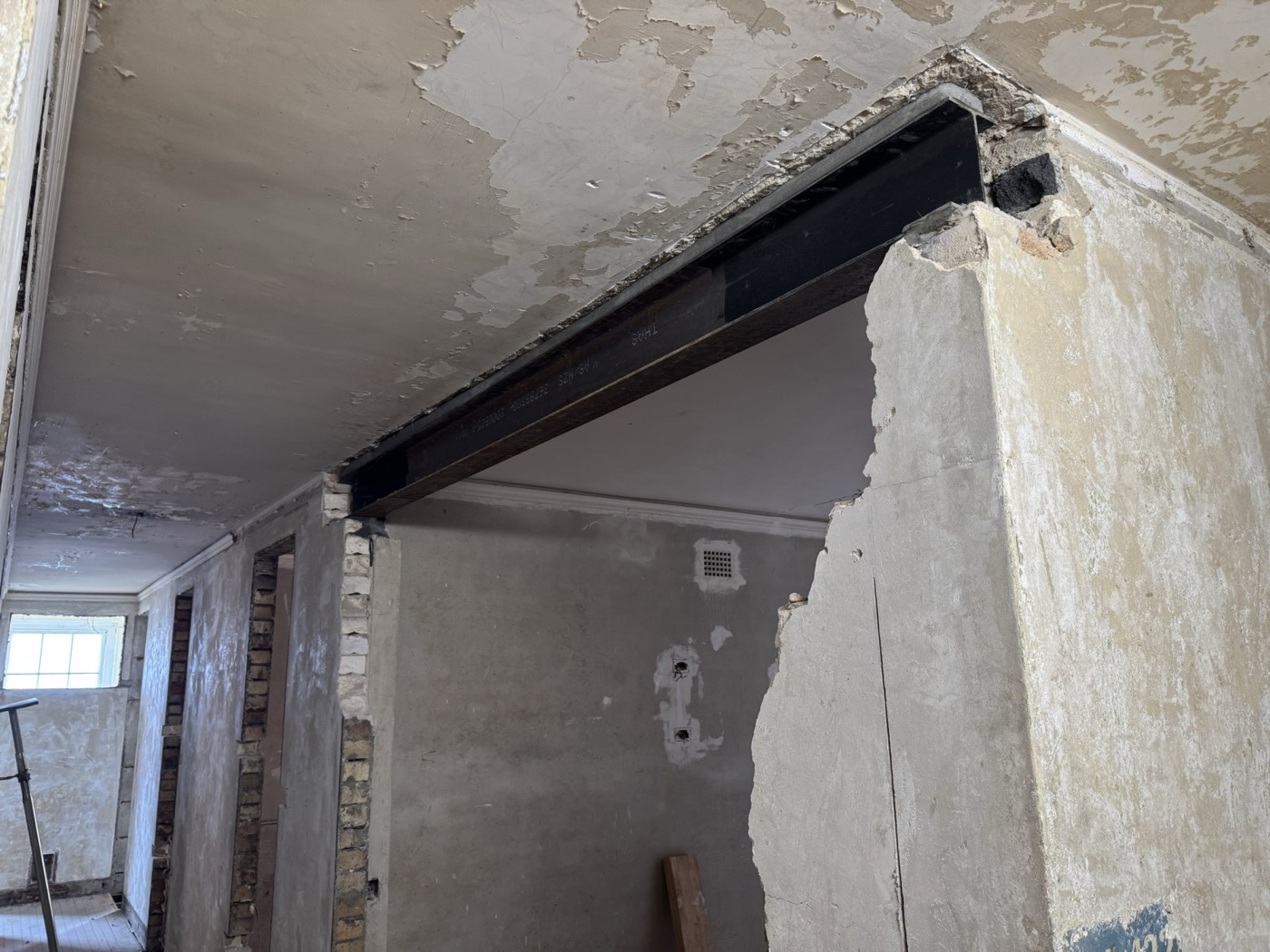
Demolition can also expose issues not visible during inspection. Damaged substrates, non-compliant previous works, structural conflicts and concealed services all affect price. This is why disciplined builders allow for due diligence early and document exclusions clearly. No shortcuts, no guesswork.
The approval and compliance factor
A commercial fitout is not just a construction exercise. It is also a compliance exercise. Depending on the project, you may need council approval, a complying development pathway, building certification, consultant documentation, fire design sign-off, access compliance review and final occupation requirements.
These steps affect both cost and timing. They also affect how accurately a project can be priced. If compliance pathways are unresolved, any early estimate should be treated as provisional. Once documentation is complete and consultants have coordinated the scope properly, the build cost becomes far more reliable.
For clients across Sydney, this is where working with a licensed builder that understands council process, consultant coordination and Australian Standards matters. A cheap early price is not much use if it excludes the work needed to get the space approved and operating.
What should be included in a fitout estimate
A proper fitout estimate should explain what is actually covered, not just give you a lump sum. At minimum, you want clarity around demolition, partitions, ceilings, flooring, painting, joinery, electrical, lighting, mechanical, hydraulics, fire services, amenities, certification and rubbish removal. Programme assumptions, access conditions and after-hours requirements should also be clear.
Exclusions matter just as much as inclusions. Landlord works, authority fees, consultant fees, loose furniture, IT, security systems, signage and specialist equipment are often treated separately. If those items sit outside the building contract, they still need to sit inside your project budget.
This is where many clients get caught. They compare two prices without comparing scope line by line. One may include full services coordination and compliance upgrades. The other may only cover visible finishes. The cheaper number can become the more expensive job once omissions surface.
How to budget more accurately from the start
The best budgets come from resolved information. Before going to market, confirm the tenancy size, intended use, landlord requirements, consultant input and approval pathway. If there are likely structural changes, service upgrades or compliance triggers, identify them early. That front-end work costs less than rework during construction.
It also helps to split the budget into categories: construction, approvals, consultant fees, authority charges, loose fixtures and a contingency. Contingency is not a nice-to-have. In existing buildings, it is prudent. Unknowns are part of fitout work, particularly where demolition and service integration are involved.
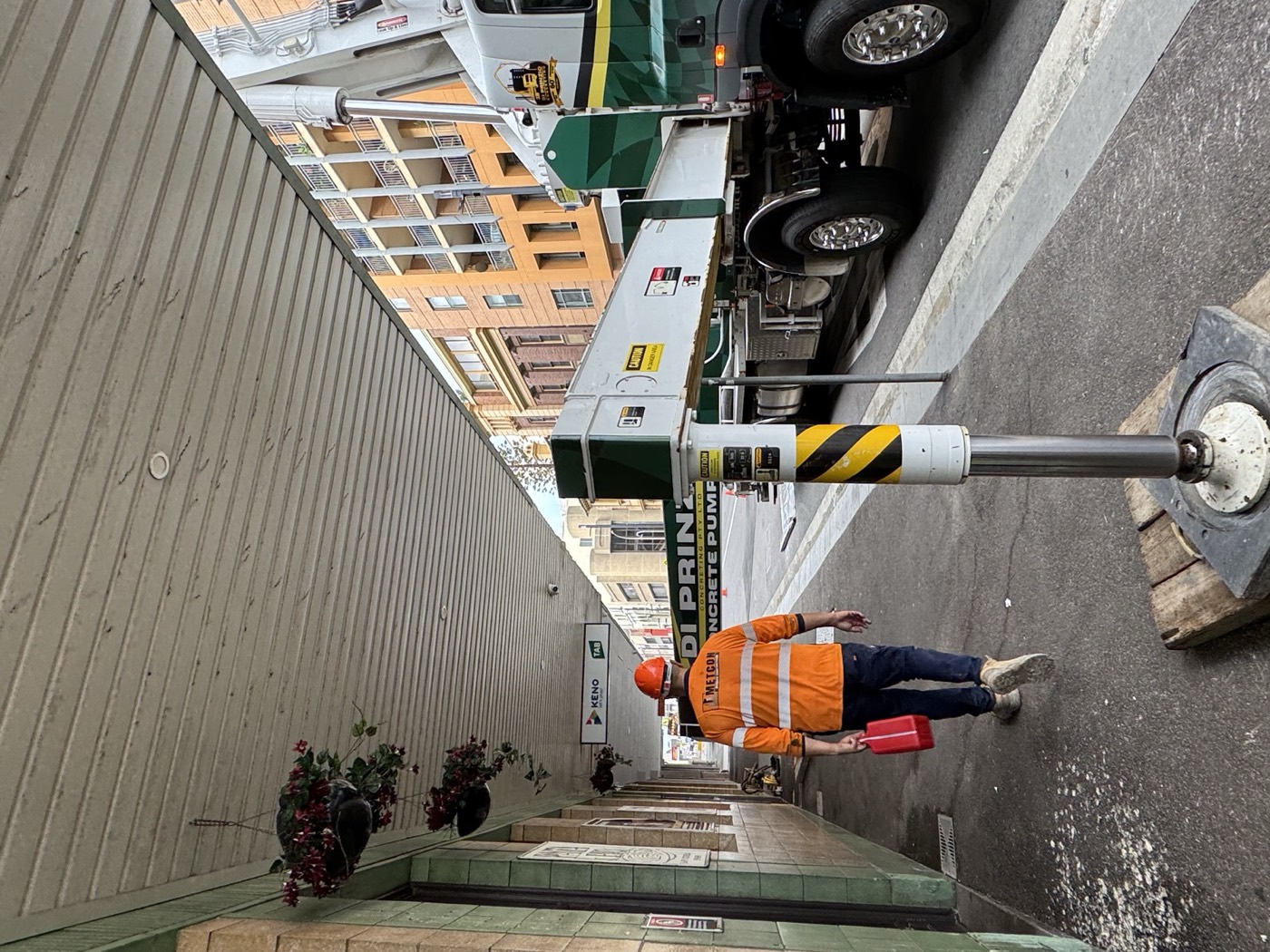
If programme matters, ask about construction methodology as well as price. A staged fitout in a live environment, CBD access restrictions, limited loading zones and after-hours works all influence commercial fitout costs. The cheapest quote on paper may not be realistic once site conditions are taken into account.
Choosing the right builder for fitout cost control
Cost control is not only about getting a competitive quote. It is about choosing a builder who can see the technical risks before they become variations. Commercial fitouts involve sequencing, consultant coordination, procurement, compliance documentation and trade management. If any one of those is weak, the budget usually feels it.
A disciplined builder will ask direct questions about approvals, services capacity, building rules, access, structural implications and handover requirements. That is a good sign. It means the price is being built around the real job, not around assumptions that will be corrected later.
For more complex projects, clients often benefit from one contractor managing the work from early planning through to handover. METCON approaches fitouts this way, with clear scope review, proper documentation and buildability grounded in compliance and construction reality. That reduces fragmentation and gives clients a cleaner line of accountability.
Commercial fitout costs are rarely cheap, but they can be controlled
There is no honest one-size-fits-all answer to fitout pricing. A commercial fitout can be relatively straightforward, or it can involve substantial service upgrades, approvals and hidden base-building constraints. The difference comes down to scope clarity, consultant coordination and whether the builder is pricing the real conditions of the job.
If you want cleaner numbers, get the groundwork right first. Resolve the intended use, document the scope properly and engage a builder who will tell you what is included, what is excluded and where the risk sits. That approach does not just protect the budget. It gives the project a better chance of finishing on time, approved and built to last.