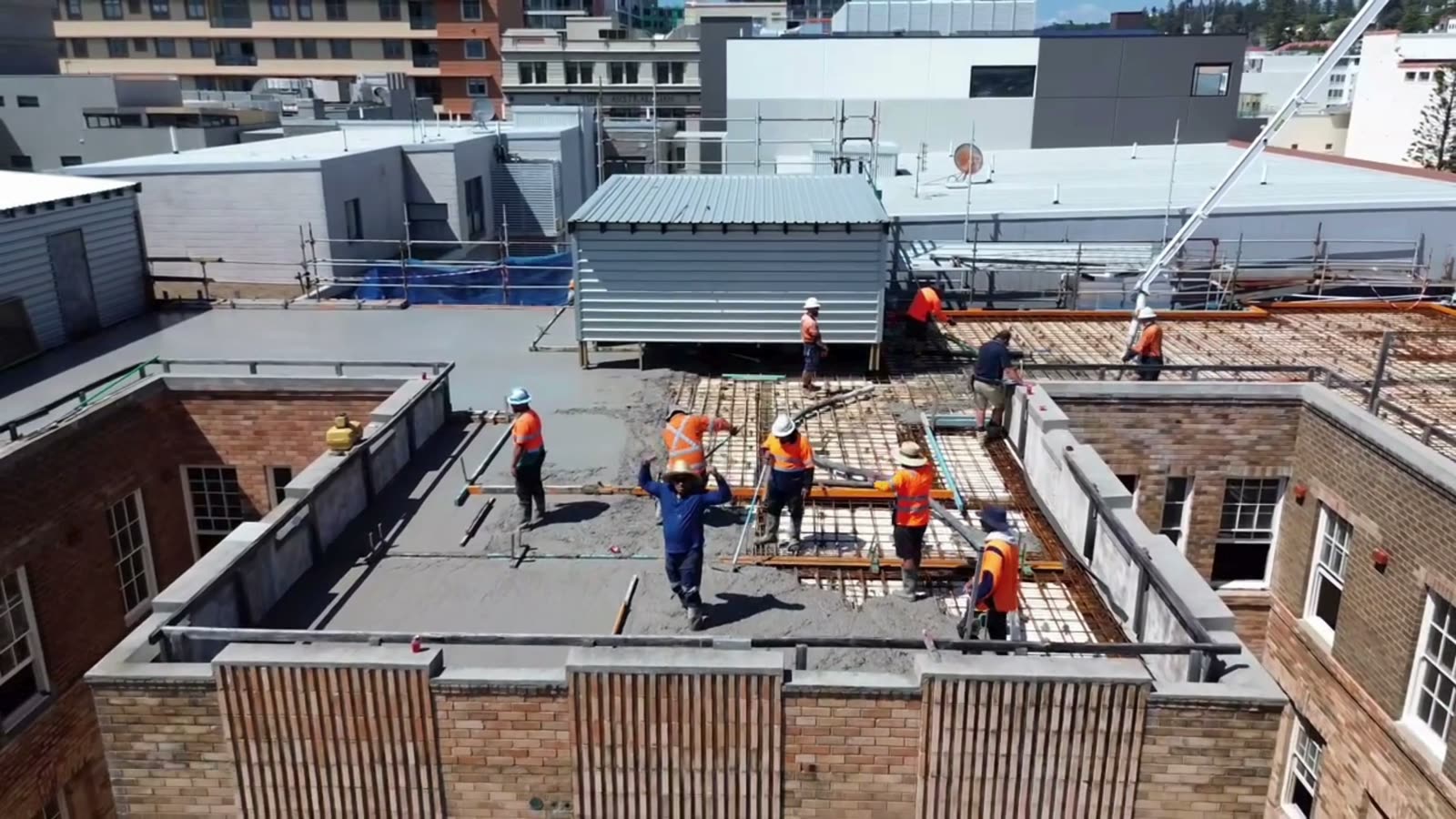
If you're planning a build, extension, retaining wall, excavation, commercial fitout or structural repair, the civil vs structural engineering question comes up earlier than most people expect. It usually starts when drawings, approvals or site constraints begin to stack up, and suddenly you're dealing with drainage, footings, load paths, excavation levels and compliance at the same time. Get the distinction right early, and the project runs cleaner. Get it wrong, and you risk delays, redesigns and avoidable cost.
Civil vs structural engineering: what is the difference?
The short version is this: civil engineering deals with how a project works within the broader site and public infrastructure, while structural engineering deals with how the building or structure stands up safely under load.
Civil engineering covers things like site grading, stormwater, drainage, roads, pavements, earthworks, service coordination and how a development connects to surrounding infrastructure. Structural engineering focuses on the elements that carry and transfer loads, footings, slabs, beams, columns, retaining structures, structural steel, concrete reinforcement and framing systems.
That sounds clean on paper, but real projects are rarely that neat. A retaining wall, for example, can involve both disciplines. The structural engineer may design the wall for loads and stability, while the civil engineer may address drainage behind it, finished levels, adjacent surfaces and how water moves across the site. On many NSW projects, both are necessary.
Why the difference matters on a real project
For homeowners, the distinction matters because the wrong consultant scope can leave gaps in documentation. You might have engineering for the slab but no proper stormwater plan. Or you might have a civil design for the site but still need structural details for beams, lintels or underpinning. Those gaps often show up during approval, excavation or inspection, which is the worst time to discover them.
For developers and commercial clients, the issue is usually coordination. When site works, structural elements and authority requirements overlap, someone needs to make sure the design intent can actually be built in sequence and to standard. If that coordination is weak, trades start making assumptions. That's where rework starts.
This is why disciplined builders prefer clear engineer documentation and early scope alignment. No shortcuts, no guesswork.
What a civil engineer typically handles
A civil engineer looks at the site as a working system. Their concern is not just the structure itself but how the land, drainage and external works function before, during and after construction.
On a typical residential or commercial project in Sydney, that can include finished surface levels, stormwater drainage design, on-site detention requirements, driveway grades, hardstand areas, pavements, erosion control and earthworks strategy. On more complex sites, civil input may also cover service corridors, road interface requirements and how the project responds to flood, runoff or neighbouring properties.
This becomes especially important on sloping blocks, sites with drainage issues, properties with access constraints, and developments where council approval depends on compliant site design. If water is not being managed properly, it does not matter how well the building frame is designed, the job can still fail in practice.
What a structural engineer typically handles
A structural engineer is responsible for making sure the building or structural element can safely resist the forces acting on it. That includes dead loads, live loads, wind loads, soil pressure and, depending on the project, movement from excavation or adjacent structures.
In practical terms, this means designing footings, suspended slabs, reinforced concrete members, structural steel, timber framing elements, retaining structures, lintels, load-bearing wall modifications and remedial strengthening works. If you're removing walls in a renovation, building a first-floor addition, excavating near boundaries, or carrying new loads through an existing structure, structural engineering is not optional.
This is also the discipline most directly tied to buildability on complex structural jobs. Good structural documentation gives the builder clear reinforcement details, member sizes, connection requirements and construction notes that reduce uncertainty on site.
Where civil and structural engineering overlap
The civil vs structural engineering discussion gets confusing because some elements sit in the overlap.
Retaining walls are a good example. One part of the design is structural, can the wall resist soil loads, surcharge and overturning forces? Another part is civil, where does the water go, what are the finished levels, and how does the surrounding surface drainage stop pressure building up behind the wall?
Excavation and footing works can be similar. A structural engineer may specify the footing design and bearing requirements, while civil input may be needed for bulk earthworks, cut-and-fill levels, stormwater relocation or site falls.
On larger commercial and multi-stage projects, the overlap grows. Structural and civil packages need to align so the site actually performs as designed once construction is complete. A technically correct drawing set still causes problems if those disciplines are working in isolation.
Which one do you need for your project?
It depends on the scope.
If you're building a house, extension, granny flat or commercial fitout with straightforward structural modifications, you may primarily need structural engineering, with civil input only where drainage, external levels or site servicing become relevant.
If you're dealing with a new build on a sloping block, subdivision, significant earthworks, stormwater upgrades, driveway design or external civil works, civil engineering becomes more central. If the same project also includes footings, retaining walls or framed construction, structural engineering still sits alongside it.
For remedial works such as underpinning, cracking, subsidence response or structural strengthening, structural engineering is usually the lead discipline. But if the root cause relates to drainage, runoff or site movement, civil input may still be necessary.
The practical answer is not choosing one against the other. It is making sure the project team knows where each scope starts and ends.
Common mistakes when people confuse the two
One common mistake is assuming a structural design automatically resolves site drainage. It does not. Another is treating stormwater and surface levels as minor details to be sorted out during the build. On many projects, they affect excavation depth, retaining requirements, slab setout and approval conditions.
A second mistake is engaging separate consultants without anyone properly coordinating the documents. Drawings can technically exist for every part of the job and still clash on site. Setdown levels may not match drainage points. Retaining details may not align with earthworks assumptions. Structural notes may rely on site preparation that has not been documented clearly.
A third mistake is builder selection based purely on trade scope rather than delivery capability. If the job involves approvals, structural work, excavation and external site issues, a fragmented approach often creates more admin, more risk and less accountability.
Why builder-engineer coordination matters
Engineering drawings do not build the project on their own. They need to be interpreted, sequenced and executed correctly on site.
That matters most when a project includes structural works alongside civil and groundworks. Excavation affects footings. Drainage affects retaining performance. Existing conditions on site may require clarification before the next stage can proceed. The smoother this coordination is, the less chance there is of variation disputes, inspection failures or stop-start construction.
For clients, this is not just a technical issue. It affects programme, cost control and compliance. A builder that works directly with engineers, manages documentation properly and understands approval pathways can usually identify gaps before they become expensive.
That is especially relevant across Sydney and broader NSW, where many sites are constrained by slope, access, neighbouring structures, stormwater requirements and council conditions. METCON regularly works in this space because complex structural and civil interface work needs more than trade labour, it needs controlled delivery.
Civil vs structural engineering in approvals and compliance
From an approvals perspective, both disciplines can feed into the documentation needed for council, certifiers and construction sign-off. The exact requirements depend on the project type, site conditions and approval pathway, but the principle is the same: documentation needs to be complete, coordinated and buildable.
Structural certifications may be required for footings, framing, steel, concrete elements or remedial works. Civil documentation may be needed for drainage, stormwater disposal, earthworks or other site-related compliance items. If one package is missing, approvals can stall or construction can proceed with uncertainty.
This is where disciplined project management matters. Proper documentation upfront is usually cheaper than fixing assumptions later.
How to approach it the right way
Start with the actual constraints of the job, not a generic label. Ask whether the project involves load-bearing changes, site levels, stormwater, retaining, excavation, service relocation or external works. That will tell you whether structural engineering, civil engineering or both are required.
Then make sure the builder is reviewing the documentation with construction in mind. A design can be technically sound and still create unnecessary site issues if sequencing, access or existing conditions are not considered early.
The best outcomes come from a joined-up approach, engineer scope that matches the project, clear approvals, and a builder who can carry the work from planning through to handover without passing responsibility around.
If you're weighing up civil vs structural engineering, the main thing to remember is that this is not an academic distinction. It shapes how your job is designed, approved and built. The right answer is the one that leaves no gaps when work starts on site.