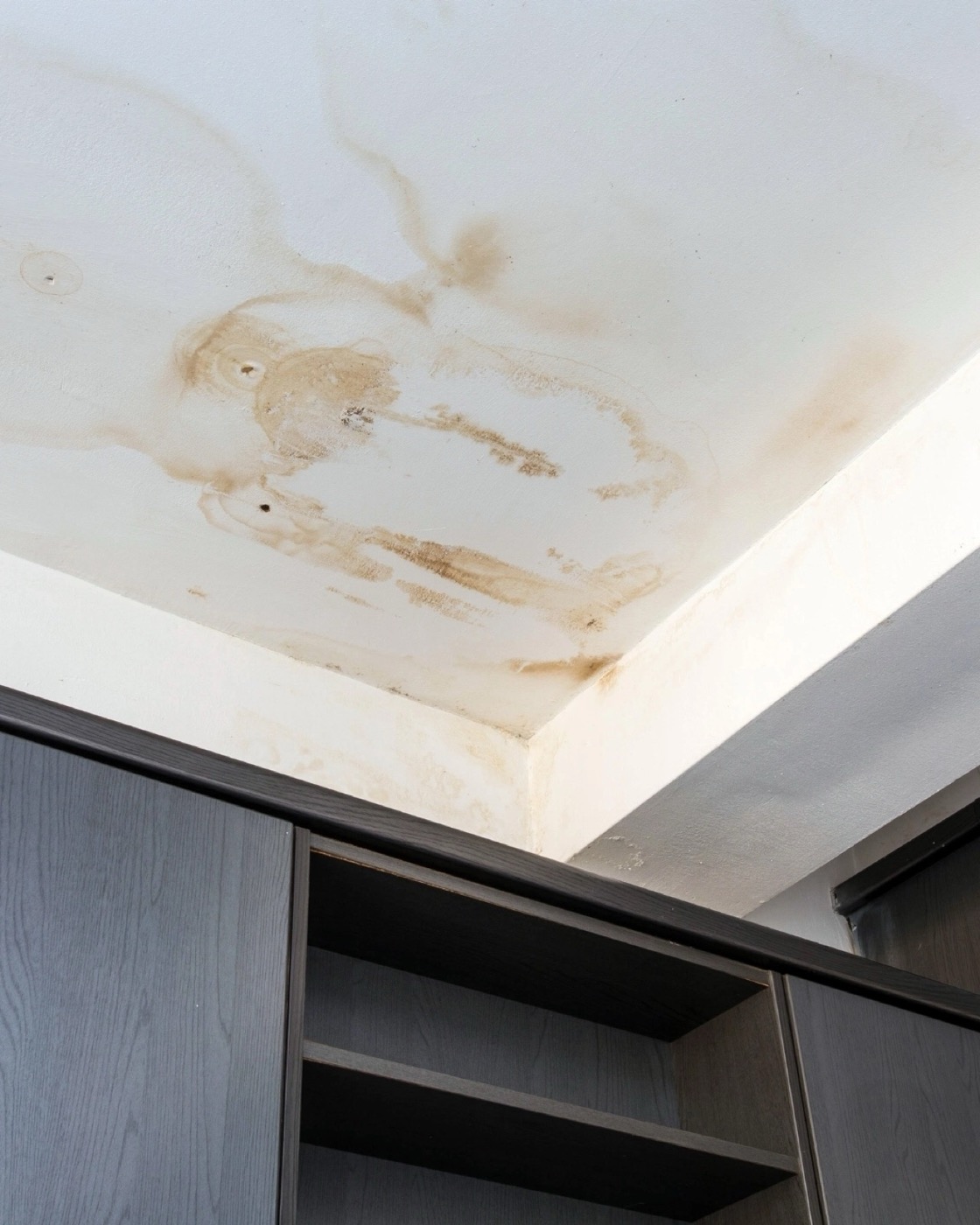
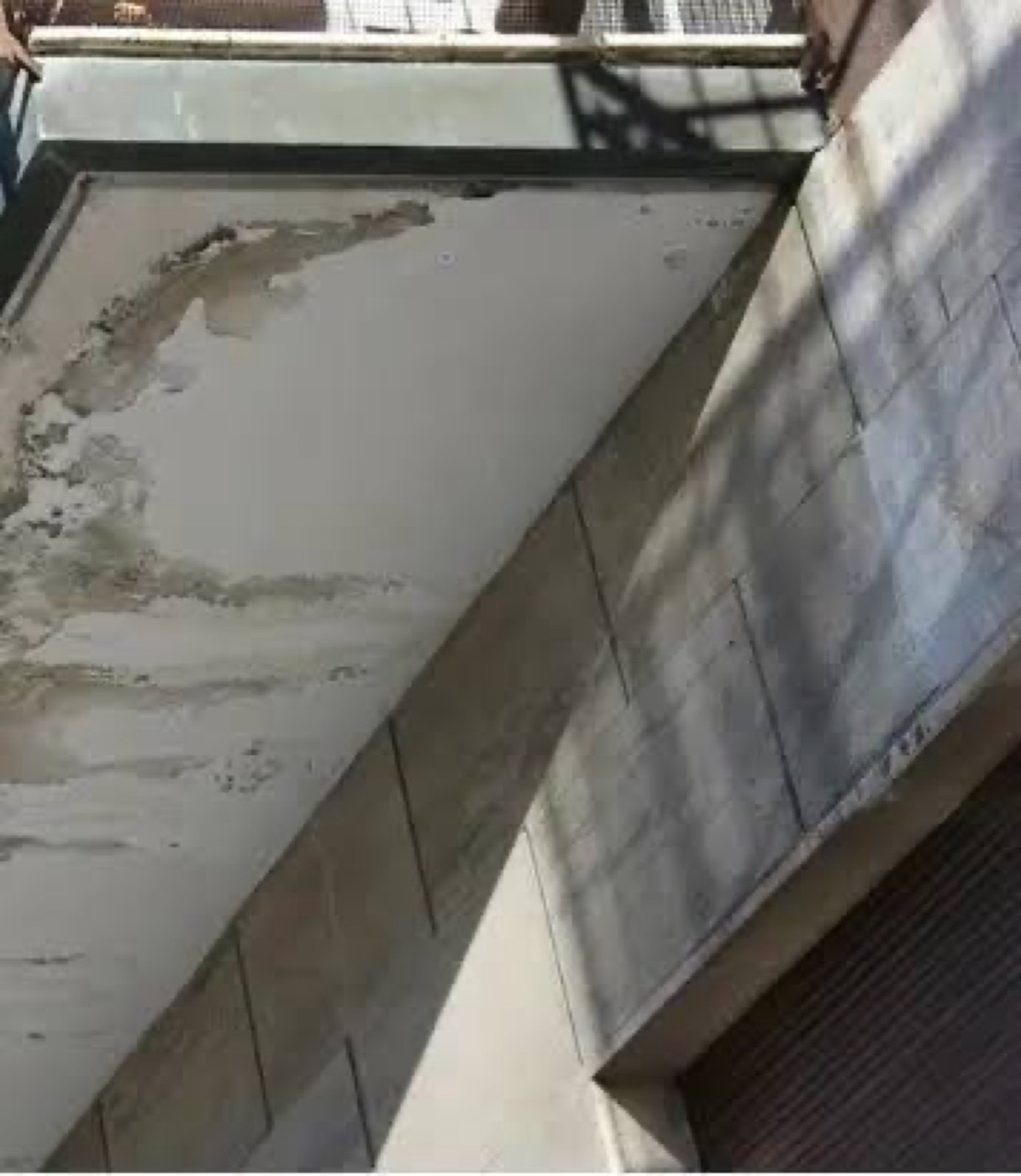
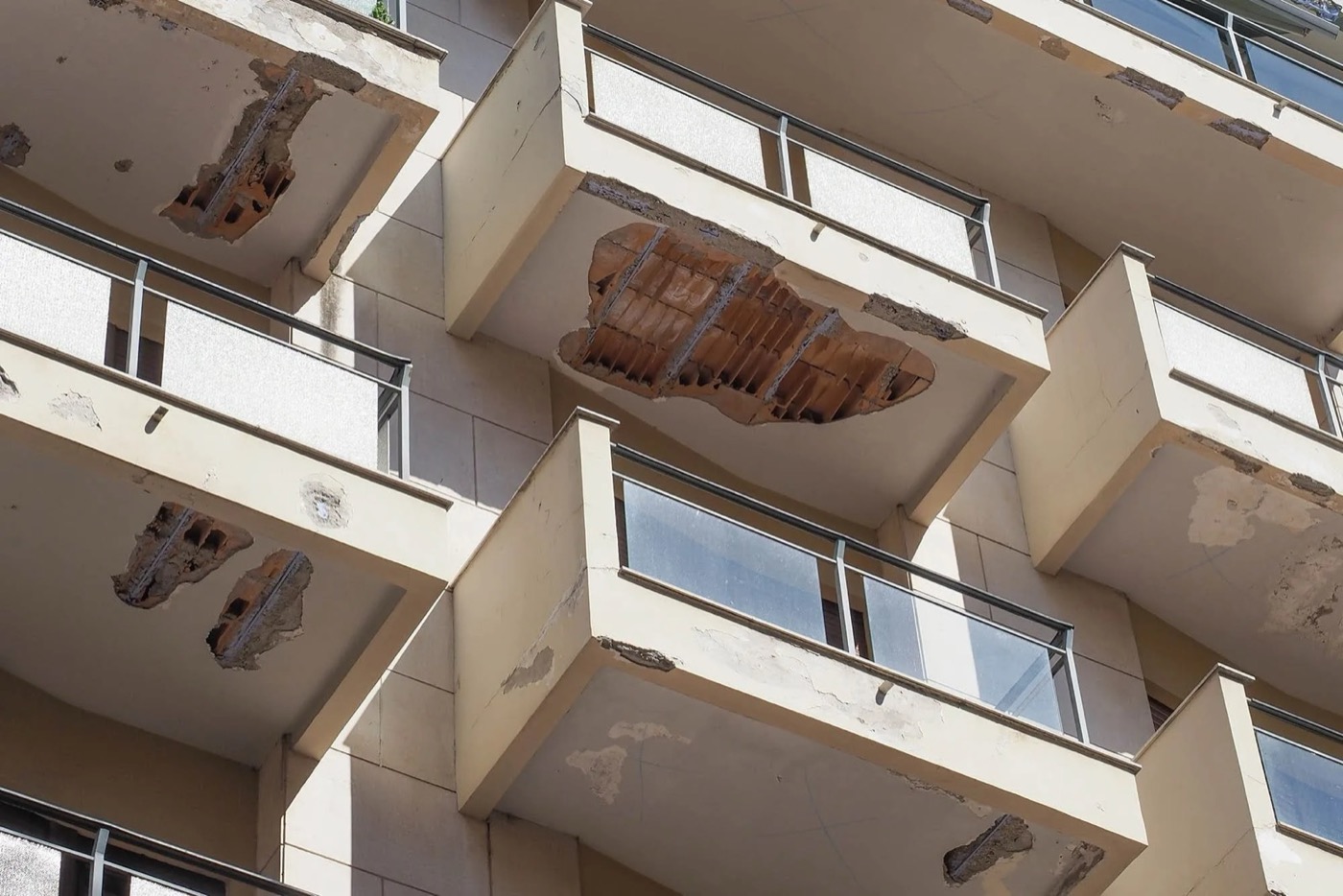
Concrete cracking wider than a hairline, rust-stained soffits, movement around openings, sagging slabs, leaking planter boxes over car parks, these are not jobs to hand to a general handyman or a patch-and-paint crew. If the issue affects load paths, durability, waterproofing interfaces or public safety, you need a structural remediation contractor with the right licence, the right trades and the discipline to follow engineering detail properly.
Structural remediation is not just about making damaged elements look sound again. It is about identifying why the defect occurred, stabilising the structure, repairing or replacing failed components, and documenting the work so the asset remains compliant and serviceable. In Sydney and across NSW, that often means working through engineer reports, strata requirements, council approvals, access constraints and staged construction while keeping the site safe and operational.
What a structural remediation contractor actually does
A structural remediation contractor deals with defects or deterioration that affect the performance of a building or civil structure. That can include concrete cancer, spalling, corroded reinforcement, cracked masonry, failed lintels, slab deflection, water ingress causing structural damage, retaining wall movement, footing problems and localised subsidence. In some projects, the work is contained to one area. In others, remediation becomes part of a wider scope involving demolition, temporary support, excavation, underpinning, formwork, steel fixing, concrete repair and reinstatement.
The key point is this: proper remediation is rarely one trade. It usually needs coordination across structural, civil and building disciplines. A contractor who can only handle the repair itself, but not the access, sequencing, demolition, make-safe works or rebuild, can leave the client managing multiple parties and multiple points of failure.
That is where capability matters. A contractor with experience across structural repairs, concrete works, footings, retaining systems and full building delivery can manage the job in the order it actually needs to happen, not just the part that suits one trade package.
Why structural remediation projects go wrong
Most problem jobs do not fail because the defect was impossible to fix. They fail because the scope was underestimated, the cause was not properly diagnosed, or the contractor treated the repair as cosmetic. A crack gets filled without checking movement. Damaged concrete gets patched without addressing the corrosion source. A retaining wall is repaired without dealing with drainage pressure behind it.
Documentation is another major issue. If there is no clear engineering design, no agreed scope, no product specification, no inspection hold points and no record of what was done, clients are left exposed. That matters for warranty, insurance, future sale, strata reporting and compliance.
Price is also a trap. The cheapest quote can look attractive until latent conditions appear. Structural remediation often involves opening up concealed areas. Once demolition starts, the true extent of corrosion, water damage or footing movement may be greater than first visible. A serious contractor will explain that risk upfront and set out how variations, engineer review and site discoveries will be handled.
How to assess a structural remediation contractor
Start with licensing and insurance, but do not stop there. A contractor can be licensed and still not be the right fit for remediation. You want to know whether they regularly deliver structural work, not just general building works. Ask what kinds of remediation they handle in-house and what they coordinate through specialist subcontractors.
Then look at their process. A capable contractor should be comfortable working from structural engineer details and raising RFIs when something on site does not match the design intent. They should understand temporary support requirements, sequencing, concrete repair methodology, reinforcement treatment, waterproofing interfaces and the practical effect of Australian Standards on installation and documentation.
You should also ask who manages approvals and records. On many jobs, especially in occupied residential or commercial settings, remediation work has to be staged around access, safety barriers, noise limitations, waste removal and inspection timing. If the contractor is vague on programme, documentation or communication, that usually shows up later as delay and dispute.
Signs you need more than a repair crew
Some remediation projects sit inside a bigger construction problem. A cracked wall may be tied to footing movement. Water ingress may have damaged structural timber, steel or concrete across multiple levels. A failed retaining wall may need excavation, drainage correction and reconstruction rather than a surface patch.
In these cases, engaging a builder with broader structural and civil capability saves time and reduces risk. Instead of splitting the project between a demolition team, an underpinning contractor, a concrete repair crew and a separate builder for reinstatement, you have one party accountable for the full sequence. That usually means clearer programming, fewer scope gaps and better control over compliance.
This is particularly relevant for homeowners doing extensions or renovations where existing structural defects are discovered after works begin. It is also relevant for strata, commercial operators and asset managers dealing with ageing assets where remediation needs to be integrated with access upgrades, refurbishments or waterproofing replacement.
Structural remediation contractor scope in real projects
In practice, the work can vary a lot. One project may involve removing delaminated concrete, treating reinforcement, replacing bars where section loss is too severe, applying repair mortar and protective coating, then reinstating adjacent finishes. Another may require excavation around failed footings, engineered underpinning, temporary propping and brickwork crack stitching before internal fitout damage is repaired.
Retaining wall remediation is another common example across sloping Sydney sites. The visible crack or lean is only part of the issue. The underlying cause may be surcharge loading, inadequate drainage, poor founding conditions or missing reinforcement. A contractor needs to understand both the structural repair and the ground behaviour around it.
For commercial buildings, remediation can involve programming around business continuity. Access systems, hoardings, after-hours noisy works and staged shutdowns may be just as important as the repair method itself. A technically sound repair still becomes a bad project if it disrupts tenants, breaches safety obligations or drifts past agreed delivery dates.
What good remediation management looks like
Good remediation management is methodical. The defect is identified, the probable cause is confirmed, the engineer’s intent is understood, and the site conditions are checked before the repair starts. The contractor then plans demolition, make-safe works, temporary support, material procurement, inspections and reinstatement in a logical order.
Just as important, there is a paper trail. That includes scope confirmation, programme, variation process, inspection records, product data where relevant and practical completion documentation. Clients do not need glossy language. They need to know what is being repaired, how it is being repaired, what could change once areas are opened up, and who is responsible for each step.
That is the difference between a contractor who is simply willing to take on the work and one equipped to deliver it properly. METCON approaches these projects with that broader view, engineer-led coordination, disciplined site execution and full construction capability where the remediation scope extends into underpinning, concrete, demolition or rebuild works.
Questions worth asking before you appoint anyone
Ask how the defect cause will be verified before repairs are finalised. Ask whether engineer inspections are built into the programme. Ask what latent condition risks they expect and how these are managed contractually. Ask who handles approvals if the work affects structure, drainage, frontage access or adjoining property conditions.
You should also ask what happens after the structural repair is complete. Will the contractor reinstate finishes, membranes, paving, drainage or walls as part of one coordinated scope, or will you need to engage separate trades? That answer has direct cost and programme implications.
And ask for plain language. A good contractor should be able to explain a technical scope clearly, without hiding behind jargon. If they cannot explain the sequence simply, there is a fair chance they have not thought it through properly.
The right appointment is about control, not just cost
A structural remediation contractor should give you confidence that the job is understood, documented and buildable. That means clear scope, realistic allowances, proper sequencing and accountability from start to finish. It also means being honest about what is known, what is assumed and what may only become clear once the structure is opened up.
If you are dealing with cracking, movement, concrete failure, retaining wall issues or any defect that points to structural risk, the safest move is early advice and a contractor who can manage the work properly. The repair itself matters, but so does everything around it, engineering, approvals, staging, documentation and durable reinstatement. Built right the first time is always cheaper than repairing the repair.